Rotate container
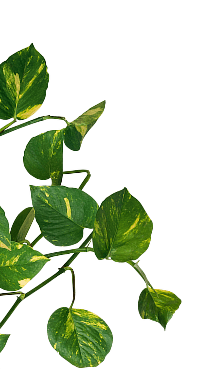
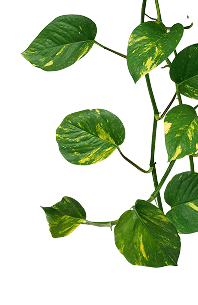
Turn the pot 90° every 2–3 weeks so the palm develops a more symmetrical crown and does not lean toward the primary light source.

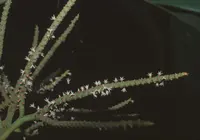
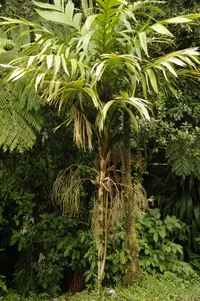
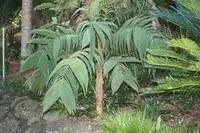
Geonoma congesta is a small understory palm native to humid tropical forests of Central and South America. It usually grows as a slender, cane-like palm with a single stem. Leaves are narrow, often pinnate or slightly divided, giving the plant a delicate, finely textured look. In nature it prefers shaded, consistently moist environments with rich, organic soils. This species can be challenging outside warm, humid climates, as it dislikes cold, dry air, and long periods of drought. For anyone learning how to care for Geonoma congesta, it helps to think of it as a shade-loving forest palm that needs stable warmth, filtered light, and evenly moist conditions.

Care Difficulty
Hard Care

Light Preference
Partial Shade

Water Requirements
Keep Soil Moist

Temperature Preference
Tropical / Frost Sensitive

Hardiness Zone
11–12

Soil Texture
Loamy, Peaty, Organic-rich

Soil pH
Acidic (5.5–6.5)

Soil Drainage
Moist but well-drained

Fertilization
Light (every 4–6 weeks)
Scan your plant to receive care tips personalized for your specific plant
Available on iOS and Android
This understory palm prefers soft, filtered light that mimics bright forest shade.
This species likes evenly moist, never soggy soil that dries slightly at the surface between waterings.
This palm thrives in stable, warm, humid conditions without sudden temperature swings.
This palm prefers consistently humid air and reacts quickly to dry conditions.
This palm needs loose, organic-rich, evenly moist soil that drains freely yet retains some moisture.
This species adapts well to container growing when the pot supports its moisture needs and upright form.
This palm benefits from modest, consistent feeding during the warm growing season.
Pruning focuses on removing damaged foliage while preserving the natural form of this palm.
Container-grown plants appreciate occasional repotting to prevent root binding and nutrient depletion.
Propagation is usually done from seed and tends to be slow and specialized for this species.
This tropical palm is frost-sensitive and needs protection in regions with cool winters.

Plant Health Check
Not sure what's wrong with your plant? Check your plant's health inside the app.
This palm naturally occurs as an understory species in lowland and premontane rainforests of Central and northwestern South America, where it grows in deep shade under taller canopy trees.
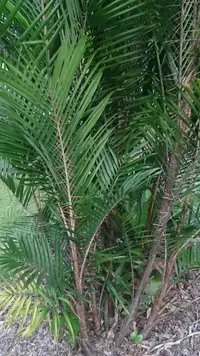
Geonoma congesta often forms tight clumps of slender stems rather than a single trunk, creating dense patches that provide cover for small animals and help stabilize leaf litter on the forest floor.
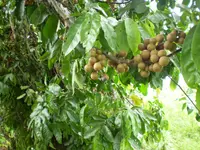
Its small, usually dark-colored fruits are eaten by birds and small mammals, which act as seed dispersers and help maintain genetic exchange between scattered populations.
This palm grows slowly, adding only a few new leaves each year and gaining height gradually. In suitable warm, humid conditions it may take many years to form a noticeable trunk or reach its potential size.
Keep your plants happy and healthy with plant identification, disease detection, and easy care guidance.