Winter root protection
In colder zones, apply a 5–8 cm layer of coarse mulch over the root zone in late fall, keeping it a few cm away from the trunk to buffer freeze–thaw cycles and protect fine roots without inviting rot at the crown.

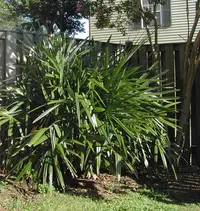
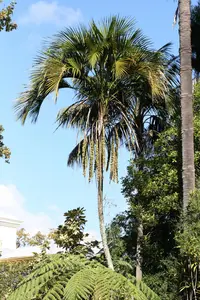
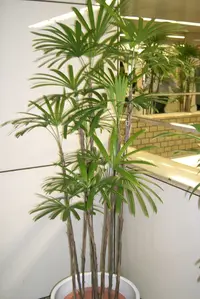
Needle palm, Rhapidophyllum hystrix, is a small, slow-growing fan palm valued for its toughness and compact form. It naturally forms a dense clump rather than a tall trunk. The plant has dark green, stiff fan leaves and sharp needle-like spines at the base, which give it its common name.
This species is native to the southeastern United States, often found in moist, sheltered woodland sites. It is considered one of the hardiest palms, which makes it appealing for cooler regions. Gardeners who want to care for needle palm should note that it prefers bright light with some protection, evenly moist but well-drained soil, and shelter from harsh, drying winds.

Care Difficulty
Easy Care

Light Preference
Partial Shade

Water Requirements
Moderate Water

Temperature Preference
Cold Hardy

Hardiness Zone
6–10

Soil Texture
Sandy, Loamy, Organic-rich

Soil pH
Acidic (5.5–6.5), Slightly acidic (6.5–7.0)

Soil Drainage
Moist but well-drained

Fertilization
Minimal (feed rarely)
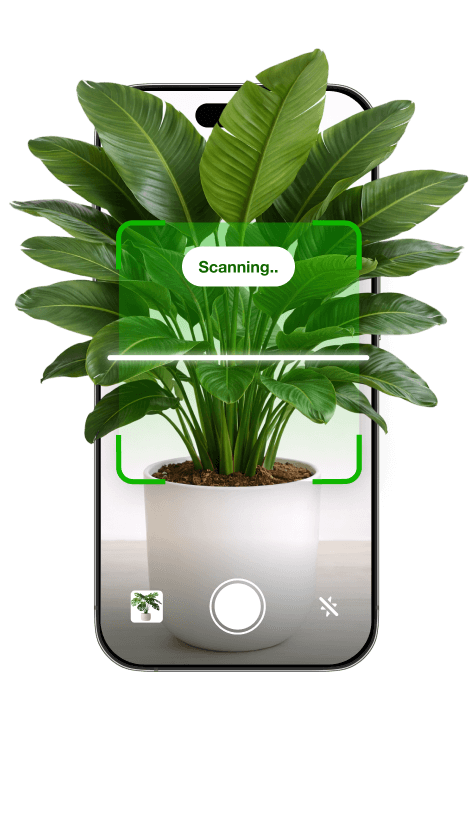
Scan your plant to receive care tips personalized for your specific plant
Available on iOS and Android
This species prefers bright, gentle light and performs best with some protection from harsh midday sun.
Rhapidophyllum hystrix prefers consistently moist but not waterlogged soil, especially during active growth.
This palm is unusually cold-hardy yet still benefits from moderate, stable temperatures for best growth.
This palm handles a wide humidity range and rarely needs special humidity management indoors or outdoors.
Rhapidophyllum hystrix prefers a free-draining, slightly sandy mix that stays evenly moist but never waterlogged.
This species adapts well to long-term container growing when given a stable, heavy pot and sharply draining mix.
This slow-growing needle palm needs modest feeding to support steady, healthy growth in containers or poor soils.
Pruning needs for Rhapidophyllum hystrix are minimal and mostly cosmetic.
This palm is usually grown in the ground; transplanting is infrequent but should be done carefully to limit root disturbance.
Rhapidophyllum hystrix is most often propagated from seed, which is slow and requires patience and consistent warmth.
This palm is among the most cold-hardy species and often needs only modest winter care in suitable climates.

Plant Health Check
Not sure what's wrong with your plant? Check your plant's health inside the app.
This species is considered one of the most cold-hardy palms known, surviving short freezes well below 10°F when established and sited correctly.
The stiff, sharp spines emerging from the leaf bases are modified structures that likely evolved to protect the plant’s stem and crown from herbivores in its native southeastern US habitats.
In the wild it usually grows as an understory palm in hardwood forests and along stream banks, thriving in dappled shade rather than open, full-sun sites.
This palm is naturally rare in the wild and has a fragmented distribution across the southeastern United States, with many populations confined to small, localized sites such as moist ravines and maritime forests.
This species grows slowly, usually adding about 5–15 cm of trunk or overall height per year under good conditions. Growth is often slower in cooler climates or when newly planted and establishing its root system.
Keep your plants happy and healthy with plant identification, disease detection, and easy care guidance.