Geonoma schottiana Care

Geonoma schottiana

About Geonoma schottiana

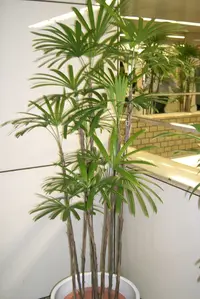
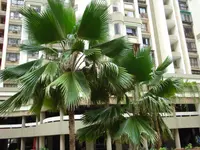
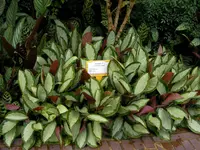
Geonoma schottiana is a small understory palm native to tropical forests of South America. It typically forms slender, cane-like stems with narrow, elegant leaflets. In its natural habitat it grows in shaded, humid environments under taller trees, which explains its preference for filtered light and consistent moisture. The foliage creates a soft, layered look rather than a bold, architectural shape. For home growers, it is considered moderately challenging, mainly due to its need for stable warmth, high humidity, and protection from direct sun. Those who learn how to care for Geonoma schottiana usually appreciate its refined, natural forest appearance indoors or in sheltered outdoor spaces in mild climates.

Main Plant Requirements

Care Difficulty

Moderate Care

Light Preference

Partial Shade

Water Requirements

Keep Soil Moist

Temperature Preference

Tropical / Frost Sensitive

Hardiness Zone

10–11

Soil Texture

Loamy, Silty, Organic-rich

Soil pH

Acidic (5.5–6.5)

Soil Drainage

Moist but well-drained

Fertilization

Light (every 4–6 weeks)

Get Personalized Care Plan

Scan your plant to receive care tips personalized for your specific plant

Available on iOS and Android

How to Care for the Geonoma schottiana

This understory palm prefers soft, filtered light similar to bright forest shade.

  • Provide bright, indirect light or light dappled shade, with 2–3 hours of gentle morning sun and no harsh midday or afternoon sun.
  • Outdoors, site Geonoma schottiana under high tree canopy, shade cloth (30–50%), or on the north or east side of buildings to prevent leaf scorch.
  • If new leaves emerge pale, narrow, or leaning strongly toward a window, increase light slightly; if tips brown or yellow on the sun-facing side, reduce direct sun exposure.

This species prefers consistently moist but not waterlogged soil.

  • Water when the top 2–3 cm of soil feels barely dry, allowing deeper soil to stay lightly moist, especially during active growth in spring and summer.
  • Use soil with good drainage and high organic matter so excess water flows out easily while retaining some moisture around the roots.
  • Reduce frequency in cooler months, watching for drooping, crisp leaf edges from underwatering or yellowing, mushy bases and sour smell as signs of overwatering.

This palm is adapted to warm, stable tropical conditions without temperature extremes.

  • Aim for 65–80°F (18–27°C) for steady growth, avoiding sudden swings of more than 10°F (6°C) within a day.
  • Protect from cold; growth slows below 60°F (16°C), and sustained exposure under 50°F (10°C) can damage foliage and tender roots.
  • Never expose to frost, as freezing temperatures can kill the crown; during heat above 90°F (32°C), increase shade and airflow and check soil moisture more often to prevent stress.

This species prefers consistently moist air and reacts quickly to dry indoor conditions.

  • Aim for 60–80% humidity, as standard heated rooms below 40% often cause stress.
  • Crisping leaflet tips, brown edges, and stalled growth indicate humidity is too low, not just underwatering.
  • Increase humidity with grouped plants and a nearby room humidifier; pebble trays help only if kept topped up and below the pot base.

Geonoma schottiana grows best in loose, organic-rich, consistently moist but well-drained soil.

  • Use a mix of 50–60% peat or coco coir, 20–30% compost, and 20–30% perlite or fine bark for structure and aeration.
  • Aim for slightly acidic to neutral pH around 6.0–7.0, avoiding strongly alkaline mixes that lock up micronutrients.
  • Ensure water drains in seconds, not minutes; dense, heavy, or waterlogged soil promotes root rot and palm decline.
  • Improve airflow around roots by avoiding fine sand and adding chunky materials like bark chips rather than more peat.

This palm adapts well to container growing when its root zone and stability are carefully managed.

  • Choose a tall, relatively narrow pot to match its vertical root system and reduce wobbling as the stem elongates.
  • Select a heavier material such as ceramic or clay in windy or high-traffic areas to keep the slender trunk from tipping.
  • Elevate the container slightly on blocks or feet so drainage holes release water freely and salts do not accumulate at the base.

Nutrient inputs support steady, leafy growth for Geonoma schottiana in containers or managed landscapes.

  • Use a balanced liquid fertilizer (around 10-10-10 or 20-20-20) at 1/2 strength every 4–6 weeks during spring and summer.
  • Choose slow-release granules or well-rotted compost for a gentler, longer-lasting nutrient supply in pots or planting beds.
  • Avoid feeding in late fall and winter when growth slows, as excess nutrients can lead to weak, stretched tissue.
  • Always water the soil lightly before applying fertilizer to reduce the risk of root burn and leaf tip damage.

Pruning is light and mainly cosmetic for this palm, aimed at keeping it tidy and healthy.

  • Carry out pruning in late winter or early spring, before strong new growth begins.
  • Remove only dead, yellowing, or badly damaged fronds, cutting close to the stem without nicking living tissue.
  • Thin out severely crowded or crossing stems to improve air movement and maintain a balanced clump shape.
  • Use clean, sharp hand pruners or a pruning saw, disinfected between cuts to limit disease spread in Geonoma schottiana.

Geonoma schottiana dislikes frequent disturbance, so repotting or transplanting should be planned and gentle.

  • Look for roots circling the pot, pushing through drainage holes, or noticeably slower growth as signs repotting is needed.
  • Aim to repot or transplant in spring, every 3–4 years for container plants or when growth clearly outgrows the site.
  • Shift into a container or planting hole only 1–2 in wider, using a loose, well-drained, organic-rich mix to limit shock.
  • Handle the root ball carefully, loosening only the outer roots, then water thoroughly and keep shaded for 1–2 weeks to reduce stress.

This palm is usually propagated from seed and is slow, making propagation a long-term project for patient growers.

  • Use fresh, ripe seeds from healthy plants, cleaning off all fruit pulp to reduce fungal problems.
  • Sow in spring in a sterile, moist, well-drained mix, keeping temperatures around 75–85°F for best germination.
  • Maintain constant, light moisture and high humidity, covering trays or pots with a clear dome or plastic with ventilation holes.
  • Expect slow and irregular germination; once seedlings develop several true leaves, pot them individually and grow Geonoma schottiana in bright, shaded conditions.

This tropical palm is frost-sensitive and needs careful winter management in most temperate climates.

  • Avoid exposure to frost; maintain temperatures above 45–50°F for container and in-ground specimens.
  • Move potted plants indoors or into a heated greenhouse before the first frost is forecast.
  • Apply a 5–8 cm layer of organic mulch around outdoor plants to insulate the root zone without burying the stem.
  • In indoor winter conditions, reduce watering, improve air circulation, and provide bright, indirect light to limit stress.

Care Tips

Stable container choice

Use a tall, heavy pot with a broad base so the slender palm stems stay stable as they lengthen, and repot into only slightly larger containers to avoid root stress.

Leaf crowding control

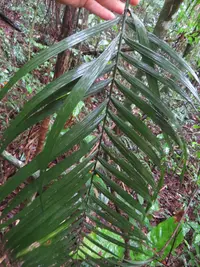
Remove the oldest, most shaded fronds at the base once they are more than half yellow to improve air movement through the clump and reduce fungal spotting on inner leaves.

Airflow without drafts

Position the plant where there is gentle, consistent air movement from a ceiling or oscillating fan rather than next to air vents, which supports healthy fronds and lowers disease risk.

Prevent salt buildup

Every 2–3 months flush the pot thoroughly with clean, room‑temperature water until it runs freely from the drainage holes to wash out accumulated fertilizer salts that can burn leaflet tips.

Acclimation after purchase

After bringing a plant home, reduce light slightly and avoid repotting or heavy feeding for 3–4 weeks so it can adapt to the new environment, which is a key step in caring for Geonoma schottiana long term.

Common Pests and Diseases

Scale insects

This pest often settles along leaf veins and stems, sucking sap and causing yellowing, stunted growth, and sticky honeydew on foliage.

Solution

Physically remove visible scales with a cotton swab dipped in isopropyl alcohol, then wash leaves and stems with a mild insecticidal soap solution every 7–10 days until no new insects appear; in shaded, humid conditions typical for Geonoma schottiana indoor care, also improve air movement slightly to discourage re-infestation.

Spider mites

These insects thrive on palms kept in overly dry, warm air, leading to fine webbing, speckled or grayish fronds, and gradual leaf decline.

Solution

Spray both sides of the fronds with a strong stream of lukewarm water to dislodge mites, then apply a horticultural oil or insecticidal soap, repeating weekly for several cycles while also raising humidity and avoiding hot, dry drafts.

Pink leaf spot

This disease causes small pink to reddish-brown lesions on the leaf blade that may merge into irregular patches, reducing the ornamental value of the fronds.

Solution

Remove and discard affected leaves, avoid wetting the foliage during watering, increase air circulation around the plant, and apply a copper-based fungicide according to label directions if new spots continue to form.

Leaf blight

Symptoms include irregular dark brown to black areas starting at leaf tips or margins, often with a yellow halo and faster decline of older fronds in dense, humid conditions.

Solution

Prune and dispose of blighted fronds, space plants to reduce crowding, water at the soil level in the morning so foliage dries quickly, and use a broad-spectrum fungicide labeled for ornamental palms if the problem persists.

Mealybugs

This pest appears as white, cottony clusters in leaf bases and along the midrib, weakening the plant and promoting sooty mold through honeydew deposits.

Solution

Dab visible clusters with isopropyl alcohol on a cotton swab, then thoroughly treat leaf axils and undersides with insecticidal soap or neem oil every 7–10 days, inspecting hidden crown areas carefully and isolating the plant until populations are eliminated.

Interesting Facts

Understory rainforest specialist

This palm naturally occurs in the shaded understory of Atlantic Forest and other humid Neotropical forests, where it grows in consistently moist, organic-rich soils beneath taller trees.

Variable leaf forms

Populations show noticeable variation in leaflet number, spacing, and shape along its range, a trait that has caused taxonomic confusion with closely related Geonoma species.

Important forest undergrowth component

As a clustering, small to medium palm, it helps structure the forest undergrowth layer and provides shelter and microhabitats for small invertebrates and ground-dwelling vertebrates.

FAQs about Geonoma schottiana

This species works as an indoor accent palm in bright, humid rooms. It stays relatively slender, tolerates container culture, and its narrow, elegant fronds suit modern interiors. Good Geonoma schottiana indoor care focuses on stable warmth and humidity.

Grow Healthy Plants with Botan Care

Keep your plants happy and healthy with plant identification, disease detection, and easy care guidance.

Botan plant care app — identify plants on mobile

Explore More Plants