Billbergia vittata Care

Billbergia vittata

About Billbergia vittata

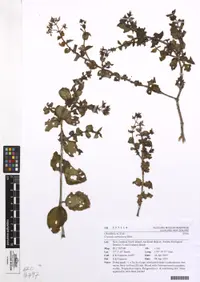
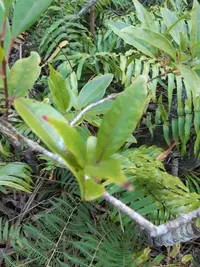
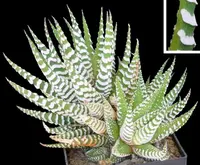
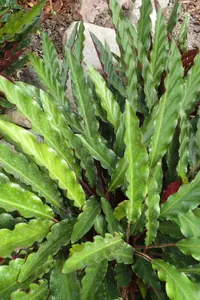
Billbergia vittata is an epiphytic bromeliad, often grown as an ornamental houseplant for its striking rosettes of arching, mottled leaves. The foliage typically forms a vase shape that can hold water and support a central flower spike.

In nature, it occurs in parts of Brazil, where it grows on trees or rocky surfaces in warm, humid forests. Indoors, it stays relatively compact, which makes it suitable for small spaces and container culture.

Its main appeal is the combination of patterned leaves and colorful bracts, along with a generally forgiving temperament. Understanding how to care for Billbergia vittata is easier once you know it prefers bright, indirect light, moderate warmth, and quick-draining, airy media rather than dense soil.

Main Plant Requirements

Care Difficulty

Moderate Care

Light Preference

Bright Indirect Light

Water Requirements

Moderate Water

Temperature Preference

Tropical / Frost Sensitive

Hardiness Zone

10–11

Soil Texture

Sandy, Loamy, Organic-rich

Soil pH

Acidic (5.5–6.5), Slightly acidic (6.5–7.0)

Soil Drainage

Well-drained

Fertilization

Light (every 4–6 weeks)

Get Personalized Care Plan

Scan your plant to receive care tips personalized for your specific plant

Available on iOS and Android

How to Care for the Billbergia vittata

This bromeliad prefers bright, gentle light that mimics dappled forest sun.

  • Provide 4–6 hours of bright, indirect light daily; early morning sun is suitable, but shield from harsh midday and afternoon rays to prevent leaf scorch.
  • Outdoors, place in light shade or under high, filtered canopy; indoors, use an east or bright north window for Billbergia vittata indoor care.
  • In winter, move closer to the brightest window or use supplemental light if days are very short, but avoid direct contact with hot glass.

Watering should keep the central cup hydrated while avoiding soggy roots.

  • Keep the rosette or central cup 1/2–3/4 full with fresh water and flush it every 1–2 weeks to prevent stagnant buildup and salt accumulation.
  • Allow the top 2–4 cm of potting mix to dry before watering the roots again; the mix must drain freely to avoid root rot and sour odors.
  • In spring and summer, expect to water more often as warmth and light increase; in cooler months, reduce frequency if growth slows and the mix stays damp longer.

This species prefers consistently warm conditions without temperature extremes.

  • Aim for 65–80°F (18–27°C) for active growth; short peaks to 85°F (29°C) are tolerated if humidity is moderate and air circulates gently.
  • Protect from cold below 50°F (10°C); extended exposure under 45°F (7°C) can damage foliage and threaten the plant, especially in wet conditions.
  • In regions with mild winters, plants can grow outdoors in frost-free spots; in colder climates, move containers indoors before the first frost and avoid drafty windows.

This species prefers moderately humid air but usually adapts to typical household conditions.

  • Aim for 40–60% humidity to keep foliage and leaf tanks healthy and reduce leaf-tip browning.
  • It tolerates short dry spells, but very dry air plus heat can cause curled leaves, crisp tips, and slower growth.
  • Increase humidity with a nearby humidifier or grouping plants; avoid misting into the leaf funnel to prevent rot.

This bromeliad prefers a loose, airy, fast-draining mix similar to epiphytic orchid media.

  • Use a mix of roughly 50% fine orchid bark, 25% perlite or pumice, and 25% peat or coco coir to hold light moisture.
  • Ensure water drains through in seconds; a compact, heavy, or clay-based substrate quickly rots the shallow roots.
  • A slightly acidic pH around 5.5–6.5 suits Billbergia vittata and supports nutrient uptake without salt buildup.
  • Improve aeration by including chunky components and avoiding strong compression of the mix when filling the pot.

This species is well suited to container growing due to its compact root system and rosette habit.

  • Choose a relatively heavy or wide-based pot so the tall rosettes do not tip as the plant leans or offsets form.
  • Select a shallow but wide container to accommodate pups spreading sideways rather than deep taproots.
  • Use a pot material with moderate moisture retention, such as glazed ceramic or plastic, to prevent the airy mix from drying instantly.

This bromeliad benefits from light, targeted feeding rather than heavy fertilization.

  • Use a balanced liquid fertilizer at 1/4–1/2 strength, labeled for houseplants or epiphytes, during active growth.
  • Feed Billbergia vittata every 4–6 weeks in spring and summer, applying to the soil, not filling the central cup.
  • Stop feeding in fall and winter, when growth slows, to prevent weak, floppy leaves.
  • Avoid high-salt or fast-acting products; slow-release pellets may be used sparingly in the potting mix.

Billbergia vittata needs simple, hygienic pruning to stay tidy and encourage offsets.

  • Best time for pruning is after flowering, when the bloom fades and the rosette begins to age.
  • Cut spent flower stalks at the base with clean, sharp scissors or pruners.
  • Remove dead, damaged, or collapsing rosettes, allowing healthy pups better light and space.
  • Trim only clearly affected leaf tips if brown, avoiding cutting into healthy tissue to reduce stress.

This bromeliad prefers slightly tight pots and only needs infrequent repotting.

  • Check for roots circling the container, bulging plastic pots, or very slow growth as signs to move Billbergia vittata.
  • Plan repotting in spring, every 2–3 years, or when offsets crowd the pot and reduce air circulation.
  • Lift the plant gently, tease roots apart minimally, and place in a slightly larger pot with airy, fast-draining bromeliad mix.
  • Water lightly after repotting, keep in bright, indirect light, and avoid heavy feeding until new growth resumes.

Propagation is most reliable through division of offsets, rather than seed, for home growers.

  • Divide pups in spring or early summer when at least 1/3–1/2 the size of the mother rosette.
  • Remove the plant from its pot, separate offsets with a clean knife, keeping roots attached where possible.
  • Plant each pup in a small pot with coarse, free-draining bromeliad mix and firm it gently in place.
  • Maintain warm temperatures around 70–80°F, bright filtered light, and slightly moist mix until new root growth is evident.

This species is frost sensitive and needs mild, protected conditions in winter.

  • Keep temperatures above 50°F; prolonged exposure near freezing can damage foliage and rosettes.
  • Move container plants indoors or into a greenhouse before the first frost date in your area.
  • Provide bright, indirect light indoors and reduce watering so the mix dries slightly between waterings.
  • In mild climates, grown outdoors in the ground, apply a light mulch around the root zone to buffer temperature swings.

Care Tips

Use heavy cachepot

Place the nursery pot inside a wider, heavier cachepot or ceramic sleeve to counterbalance the top-heavy rosette and reduce the risk of the plant tipping when the central cup is filled with water.

Stabilize offsets early

When offsets reach about one-third the height of the mother plant, gently wedge small stones or orchid clips around their bases to keep them upright so roots anchor straight and the clump forms a stable, tidy fountain shape.

Flush central cup

Every 2–4 weeks, pour out the water held in the central tank and refill with fresh, room-temperature water to prevent salt buildup, algae growth, and mosquito larvae, which can weaken the plant over time.

Seasonal color boosting

In spring and summer, gradually increase light intensity and move the plant slightly closer to the brightest window or under stronger grow lights to encourage tighter growth and stronger leaf coloration without causing scorch, which supports successful growing Billbergia vittata.

Rotate for even rosettes

Rotate the pot 90° every 1–2 weeks so all sides receive similar light, leading to symmetrical rosettes and more balanced flowering spikes instead of lopsided growth leaning toward one direction.

Common Pests and Diseases

Scale insects

This pest attaches to leaf surfaces and leaf axils, sucking sap and causing yellowing, sticky honeydew, and sooty mold on the stiff, arching leaves and flower stalks.

Solution

Isolate the plant, then wipe leaves and leaf bases with a cotton pad dipped in diluted rubbing alcohol or insecticidal soap, repeating weekly until no new scale appears; improve air movement around the rosette and avoid overfertilizing, which can encourage softer, more vulnerable growth.

Mealybugs

These insects hide in the tight leaf bases and central cup, forming white, cottony clusters that stunt growth and distort new leaves and inflorescences.

Solution

Flush the tank and leaf axils with lukewarm water, then treat affected areas with insecticidal soap or a horticultural oil labeled for indoor bromeliads, repeating every 7–10 days and checking deep in the rosette where mealybugs often reappear.

Bromeliad mite damage

This pest feeds on young leaf tissue inside the rosette, leading to distorted, streaked, or rough leaves that only become visible as the leaves expand.

Solution

Remove and discard the most distorted leaves, increase humidity without keeping the plant constantly wet, and treat with a targeted miticide or sulfur-based product suitable for bromeliads while improving air circulation to reduce reinfestation.

Leaf spot fungi

This disease produces small, brown to black spots or patches on the leaves, sometimes with a yellow halo, especially when water sits on the foliage for long periods.

Solution

Trim off badly affected leaves with clean tools, water at the base while keeping the leaf blades as dry as possible, empty and refresh the central cup regularly, and apply a broad-spectrum fungicide labeled for ornamental foliage if new spots continue to appear.

Tank water rot

Symptoms include browning at the leaf bases, foul odor, and collapse of the central cup when water in the rosette is old, stagnant, or contaminated, a specific risk for this tank-forming bromeliad.

Solution

Empty the central cup completely, rinse with clean lukewarm water, and refill lightly with fresh water no more than halfway up the rosette, then repeat flushing every 1–2 weeks and ensure the plant sits in a bright, airy location to reduce future rot while growing Billbergia vittata.

Interesting Facts

Natural tank bromeliad

Billbergia vittata forms a tight rosette that traps rainwater between its leaves, creating a small aquatic reservoir that supports insects and microorganisms in its native Brazilian habitats.

Distinctive banded foliage

This species is known for its pale, transverse banding across the leaves, caused by specialized leaf tissue and surface scales that help scatter light in the bright, exposed conditions where it grows.

Brief but striking bloom

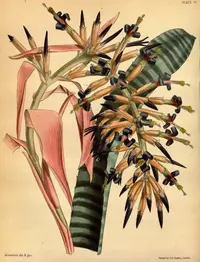
In bloom, it produces a narrow, pendulous inflorescence with pink bracts and tubular blue-green flowers, but the flowering display is short-lived even though the colorful bracts can persist for a longer period.

Botan icon

Did you know?

In its native range, Billbergia vittata often grows as an epiphyte on trees, anchoring to bark rather than soil, which allows it to exploit canopy light and moisture while relying on its tank and leaf surfaces to capture nutrients from falling debris and rain.

FAQs about Billbergia vittata

This species usually needs to be fully mature and slightly root-bound before flowering. Inadequate light, insufficient seasonal temperature variation, or lack of a short rest period can all delay bloom formation, even if foliage looks healthy.

Grow Healthy Plants with Botan Care

Keep your plants happy and healthy with plant identification, disease detection, and easy care guidance.

Botan plant care app — identify plants on mobile

Explore More Plants