Dendrobium verruciferum Care

Dendrobium verruciferum

About Dendrobium verruciferum

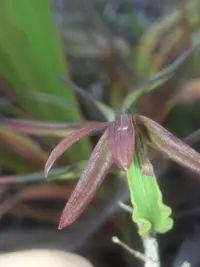
Dendrobium verruciferum is an epiphytic orchid, meaning it naturally grows attached to trees rather than in soil. It forms slender canes with narrow leaves and produces small, often speckled flowers. This species is native to humid tropical forests in Southeast Asia, where it experiences bright, filtered light and regular moisture with good air movement. Its growth habit and need for stable humidity make it moderately challenging for beginners. With consistent light, careful watering, and a free-draining orchid mix, it is possible to care for Dendrobium verruciferum successfully in a home collection.


Main Plant Requirements

Care Difficulty

Hard Care

Light Preference

Partial Shade

Water Requirements

Moderate Water

Temperature Preference

Tropical / Frost Sensitive

Hardiness Zone

Unknown

Soil Texture

Sandy, Rocky, Organic-rich

Soil pH

Acidic (5.5–6.5)

Soil Drainage

Well-drained

Fertilization

Light (every 4–6 weeks)

Get Personalized Care Plan

Scan your plant to receive care tips personalized for your specific plant

Available on iOS and Android

How to Care for the Dendrobium verruciferum

This orchid prefers bright, filtered light that mimics high-elevation forest conditions.

  • Provide 4–6 hours of bright, indirect light daily, such as dappled shade under taller plants or shade cloth that softens direct sun.
  • Allow gentle early morning sun but protect from harsh midday and afternoon sun, which can scorch leaves and cause yellow patches.
  • In winter, increase light exposure by moving to a brighter spot or thinning overhead cover while still avoiding strong direct midday rays.

Watering should balance consistent moisture with excellent drainage to protect the roots.

  • Water when the top 2–3 cm of the medium feels dry, ensuring water flows freely through bark or other coarse material without pooling.
  • In active growth, increase watering frequency, then reduce slightly in cooler months while never allowing the roots of Dendrobium verruciferum to stay soggy.
  • Watch for signs of stress: wrinkling or shriveling can indicate underwatering, while black, mushy roots or a sour smell suggest overwatering.

Temperature should reflect a cool- to intermediate-growing cloud forest orchid.

  • Aim for days around 65–75°F (18–24°C) and nights near 55–60°F (13–16°C) to support steady growth and flowering.
  • Protect from cold below about 45°F (7°C), as prolonged exposure or frost can damage leaves, pseudobulbs, and roots.
  • During hotter periods above 80–85°F (27–29°C), increase air movement, shade, and humidity to reduce heat stress and prevent leaf scorch.

This orchid prefers consistently moist air and reacts quickly to very dry conditions.

  • Aim for 60–80% humidity, as Dendrobium verruciferum comes from cloud-forest type environments with cool, damp air.
  • Expect leaf pleating, wrinkled pseudobulbs, and stalled buds as common signs of humidity stress.
  • Increase humidity with a room humidifier, clustered plants, and a fan providing gentle air movement to prevent fungal problems.

This species grows best mounted or in a very open, fast-draining orchid medium, not regular potting soil.

  • Use a mix based on medium to fine fir bark with additions of sphagnum moss, perlite, and a little charcoal to hold moisture yet drain quickly.
  • Keep the structure loose and airy so roots receive high oxygen levels and never sit in compacted, waterlogged material.
  • Target a slightly acidic reaction around pH 5.5–6.5, which supports nutrient availability for epiphytic orchid roots.
  • Avoid heavy peat-based mixes, dense garden soil, or containers that retain standing water, which promote rapid root rot in Dendrobium verruciferum.

This orchid is suitable for container or basket culture when drainage and aeration are prioritized.

  • Choose a small, snug pot or slatted basket so roots dry predictably and do not stay cold and wet after watering.
  • Use clay or other porous materials if extra evaporation is needed, especially in cooler or dimmer growing areas.
  • Secure the plant firmly in the pot or on a mount so new roots attach quickly and are not damaged by wobbling growth.

This orchid benefits from light, consistent feeding during active growth but reacts poorly to strong fertilizer.

  • Use a balanced orchid fertilizer (around 20-20-20) diluted to 1/4–1/2 strength in low-mineral water.
  • Feed every 2–3 weeks in spring and summer, flushing the medium with plain water monthly to prevent salt buildup.
  • Reduce feeding to once every 4–6 weeks in fall and winter, or pause if growth stops.
  • Avoid compost or heavy slow-release products that can burn fine roots of Dendrobium verruciferum in bark-based mixes.

Pruning focuses on hygiene and flowered cane management rather than reshaping the plant.

  • Use sharp, disinfected scissors or pruners to remove dead, rotting, or insect-damaged canes and leaves at the base.
  • After flowering, keep healthy canes, since they store water and nutrients and may rebloom or support new growth.
  • Thin only severely crowded, weak canes in late winter or after the main bloom to improve airflow around the plant.
  • Dispose of diseased material in the trash and disinfect tools between cuts to limit spread of fungal and bacterial problems in Dendrobium verruciferum.

This epiphytic orchid prefers slightly tight pots and infrequent repotting to avoid root disturbance.

  • Repot every 2–3 years in spring when new roots start, or when bark breaks down, growth slows, or roots circle tightly.
  • Choose a snug pot with excellent drainage and a fresh medium of coarse bark, perlite, and a little sphagnum moss.
  • Gently tease away old, decayed medium, keeping healthy roots intact; trim only dead, mushy, or hollow roots with sterile tools.
  • Water lightly after repotting Dendrobium verruciferum, keep humidity 50–70%, and provide bright, filtered light until new roots establish.

Propagation is usually done by division or keikis, not by seed, which requires specialized sterile culture.

  • Divide clumps in late spring when new growth and roots appear, ensuring each division has 3–4 healthy canes and active roots.
  • Use sterile tools and a fresh, free-draining bark mix, then keep divisions slightly shaded and evenly moist, not wet.
  • Keikis (small plantlets on canes) can be removed once they show several roots 3–5 cm long, then potted individually.
  • Maintain warm temperatures (68–80°F), high humidity, and gentle air movement to encourage successful establishment of new Dendrobium verruciferum plants.

This species is frost-sensitive and needs mild, protected winter conditions, especially in containers.

  • Keep plants above 55°F; move containers indoors or into a heated greenhouse before nights drop near 50°F.
  • Provide bright, indirect light and good air movement, avoiding cold drafts and sudden temperature swings.
  • Water less in winter, allowing the medium to dry slightly more between waterings while preventing complete desiccation of canes.
  • Avoid outdoor exposure to freezing conditions, as Dendrobium verruciferum roots and canes are easily damaged by frost.

Care Tips

Mounting technique

Use a rough cork slab or hardwood branch and secure the plant with biodegradable ties, placing a thin layer of sphagnum only around the roots to allow rapid drying while still providing moisture close to actively growing root tips.

Cool-season rest

Reduce watering and stop fertilizing in late fall, keeping the plant bright and slightly cooler for 6–8 weeks to encourage strong flowering spurs the following season.

Airflow management

Position a small fan on low setting to create gentle, constant air movement around the canes and roots, which reduces fungal problems and helps fine roots anchor more securely on the mount or in a basket.

Targeted root misting

Mist only the exposed roots and mounting surface in the morning, allowing foliage to stay mostly dry, which maintains hydration without increasing the risk of leaf spotting or rot.

Staggered division

When clumps become crowded, divide only a portion of the plant, keeping 4–6 healthy canes per division, so the original specimen maintains vigor while you slowly expand your collection by growing Dendrobium verruciferum from multiple established pieces.

Common Pests and Diseases

Scale insects

This pest often settles on canes and leaf bases, sucking sap and causing yellowing, shriveling pseudobulbs, and sticky honeydew deposits.

Solution

Remove heavily infested leaves or sheaths, then wipe canes and leaf undersides with cotton pads dipped in 70% isopropyl alcohol, repeating weekly until no new insects appear. Improve air movement around the plant and, if needed, use a horticultural oil spray labeled for orchids, applied in the evening and kept off open flowers.

Spider mites

These insects thrive in warm, dry air and can cause fine stippling, dull leaves, and very fine webbing along leaf undersides and between leaf bases.

Solution

Rinse foliage thoroughly with lukewarm water, focusing on leaf undersides, then increase ambient humidity to around 50–60% while maintaining strong air circulation. For persistent infestations, apply a miticide or insecticidal soap safe for orchids every 5–7 days for several cycles, ensuring complete leaf coverage.

Bacterial soft rot

This disease produces rapidly spreading, water-soaked lesions on leaves and pseudobulbs, often with a foul odor and tissue collapse.

Solution

Immediately cut away affected tissue with a sterile blade well into healthy tissue, then dust cut surfaces with ground cinnamon or a bactericide labeled for orchids. Keep the plant drier on foliage, water early in the day, and increase air movement to prevent standing moisture on leaves, which is critical for Dendrobium verruciferum care.

Anthracnose leaf spot

This disease causes small, sunken, dark spots on leaves that may enlarge and coalesce, leading to yellowing and premature leaf drop on older canes.

Solution

Remove and discard affected leaves and old, heavily spotted canes, sterilizing cutting tools between cuts. Reduce overhead wetting of foliage, space plants for better airflow, and, if conditions stay humid and warm, apply a fungicide labeled for anthracnose on orchids according to the product instructions.

Fusarium wilt

This disease enters through wounds and travels in the vascular tissue, leading to slow decline, wrinkled pseudobulbs, poor root growth, and purple or brown discoloration in cut cane cross-sections.

Solution

Discard severely affected plants, as cure is unlikely, and always sterilize cutting tools when dividing or trimming canes to avoid spread. For valuable but only mildly affected specimens, remove and destroy suspicious canes, repot into fresh, well-drained medium, and maintain optimal culture with careful watering and strong air circulation to limit further infection.

Interesting Facts

Warty callus lip

This species has a distinctive lip with a verrucose, or wart-like, callus on its surface, which is the origin of the epithet verruciferum and helps distinguish it from closely related Dendrobium species.

Narrow elevational niche

It is known from relatively specific mid- to high-elevation tropical forest habitats in New Guinea, where cooler, humid conditions and frequent mists support its epiphytic lifestyle on tree trunks and branches.

Epiphytic growth strategy

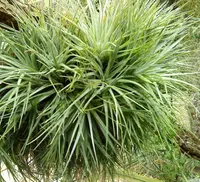
The plant grows as an epiphyte, anchoring to bark rather than soil and using specialized roots to absorb moisture and nutrients from rain, dew, and decomposing organic matter on the host surface.

FAQs about Dendrobium verruciferum

This species usually flowers once a year, often in late winter to spring, depending on conditions. Blooms typically last 2–4 weeks if kept in stable temperatures, good light, and away from drafts or ethylene sources like ripening fruit.

Grow Healthy Plants with Botan Care

Keep your plants happy and healthy with plant identification, disease detection, and easy care guidance.

Botan plant care app — identify plants on mobile

Explore More Plants