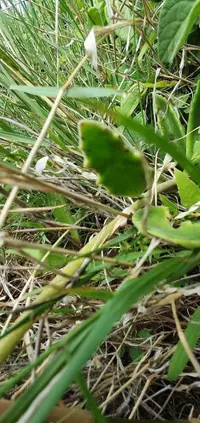
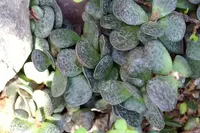
Haworthia Care (Haworthia 'Big Band')

About Haworthia

Haworthia 'Big Band' is a small succulent from South Africa, valued for its compact rosette form and striking white banded leaves. It belongs to a group of desert-adapted plants that store water in their fleshy foliage.

The plant typically stays low and clumping, making it suitable for windowsills, desks, and small containers. Its slow growth and tidy shape mean it rarely becomes overgrown indoors.

Haworthia 'Big Band' prefers bright, indirect light, well-drained gritty soil, and infrequent watering. These drought-tolerant traits make it one of the easier options for those learning how to care for Haworthia.

Main Plant Requirements

Care Difficulty

Easy Care

Light Preference

Bright Indirect Light

Water Requirements

Low Water

Temperature Preference

Tropical / Frost Sensitive

Hardiness Zone

10–11

Soil Texture

Sandy, Loamy, Rocky

Soil pH

Acidic (5.5–6.5), Slightly acidic (6.5–7.0)

Soil Drainage

Well-drained

Fertilization

Minimal (feed rarely)

Get Personalized Care Plan

Scan your plant to receive care tips personalized for your specific plant

Available on iOS and Android

How to Care for the Haworthia

This compact succulent prefers bright, indirect light with some gentle direct sun each day.

  • Provide 3–6 hours of morning sun or late afternoon sun, plus bright filtered light for the rest of the day, especially indoors.
  • Tolerates partial shade, but in very low light leaves stretch, lose banding contrast, and growth slows noticeably.
  • Avoid intense midday sun behind glass or outdoors, which can cause brown scorch patches; increase light gradually in spring after darker winter conditions.

Watering should mimic short desert rains followed by dry periods in the root zone.

  • Let the top 3–5 cm of soil dry fully before watering, then soak thoroughly so excess drains away from the roots.
  • In spring and summer, drying may take 7–21 days depending on pot size, soil, and light; in fall and winter, intervals often extend to 3–5 weeks.
  • Watch for soft, yellowing, or translucent leaves as signs of overwatering, and sharply wrinkled, folding leaves as signs of underwatering.

This species prefers moderate, stable temperatures without frost or extreme heat.

  • Aim for 65–80°F (18–27°C) for active growth, with slightly cooler nights improving resilience and reducing stress.
  • Protect from cold below 40°F (4°C); brief drops to 35°F (2°C) may be survived if soil is dry, but frost damages tissues.
  • In hot spells above 90°F (32°C), give bright shade, good airflow, and avoid watering during the hottest part of the day to limit root stress.

This species handles typical indoor humidity and rarely needs adjustment.

Haworthia 'Big Band' prefers a fast-draining, mineral-based mix that dries quickly between waterings.

  • Use a cactus or succulent mix amended with 30–50% extra pumice, perlite, or coarse sand for sharper drainage.
  • Aim for a gritty, open texture with visible particles rather than fine, compacted material that holds water around the roots.
  • Keep pH roughly neutral to slightly acidic (pH 6.0–7.0), avoiding strongly alkaline mixes that can limit nutrient uptake.
  • Avoid heavy peat-based or clay-rich substrates and any mix that stays wet for more than 3–4 days after watering.

This species is very suitable for container growing due to its compact, shallow root system.

  • Choose a pot only 2–3 cm wider than the rosette spread to prevent excess unused mix from staying wet around the roots.
  • Select a shallow pot rather than a deep one, since the roots stay near the surface and deep pots slow drying at the bottom.
  • Use unglazed terracotta if a faster-drying setup is needed, as it allows moisture to evaporate through the pot walls and limits waterlogging.

Feeding is modest but helpful for steady growth of Haworthia 'Big Band' in containers.

  • Apply a balanced liquid fertilizer (around 10-10-10 or 20-20-20) diluted to 1/4–1/2 strength.
  • Feed every 4–6 weeks in spring and summer only, on already moist soil.
  • Avoid compost-heavy or slow-release fertilizers that stay wet around roots.
  • Stop feeding in fall and winter to prevent weak, stretched growth.

Pruning needs are minimal for Haworthia 'Big Band', focusing on cleanliness rather than shaping.

  • Trim away dead, dried, or mushy leaves at the base whenever noticed.
  • Remove damaged or diseased tissue with small, sharp, disinfected scissors or snips.
  • Gently pull off spent flower stalks after blooming to tidy the rosette.
  • Avoid heavy cutting, which can disfigure the compact shape and slow recovery.

Repotting is infrequent, mainly to refresh soil and manage offsets.

  • Plan to repot every 2–3 years, ideally in spring, when growth resumes.
  • Check for roots circling the pot, pushing out of drainage holes, or very slow growth.
  • Move into a slightly wider pot with fresh, gritty cactus mix to maintain drainage.
  • Handle roots gently, keep them intact, and wait 2–3 days before light watering to limit stress.

Division of offsets is the most reliable method for increasing Haworthia 'Big Band'.

  • Separate well-formed offsets from the parent during spring or early summer repotting.
  • Use a clean knife if needed, ensuring each division has some roots attached.
  • Let cut surfaces dry 1–2 days, then plant in a fast-draining cactus or succulent mix.
  • Keep in bright, indirect light and water sparingly until new growth shows successful rooting.

Winter care focuses on keeping roots dry and frost-free for this tender succulent.

  • Keep temperatures above 40°F; avoid any freeze exposure to leaves or roots.
  • Move outdoor pots indoors to a bright windowsill before nights drop near 40°F.
  • Reduce watering sharply in winter, allowing the mix to dry almost completely between light drinks.
  • Ensure good airflow and no cold drafts to limit rot in cool, low-light conditions.

Care Tips

Rotate For Symmetry

Turn the pot 90° every 2–3 weeks so the rosette grows evenly and does not lean toward the light source, which keeps the leaf banding visible from all sides.

Use Top Dressing

Add a 0.5–1 in layer of decorative gravel or coarse sand on top of the soil to keep lower leaves dry, reduce fungus gnat activity, and stabilize the shallow root system.

Seasonal Rest Adjustment

From late fall to late winter, slightly reduce watering frequency and avoid repotting or dividing, as the plant benefits from a mild rest period that improves spring growth.

Gentle Clump Division

When offsets crowd the pot, gently tease apart only well-rooted pups with several leaves, let any broken roots callus for 1–2 days, then replant in fresh, dry mix before watering.

Prevent Sun Scorch

If moving the plant outdoors or closer to a window, increase light exposure gradually over 7–10 days using sheer curtains or dappled shade to avoid sudden sunburn, which is a key part of caring for Haworthia.

Common Pests and Diseases

Mealybugs

This pest feeds on leaf bases and between tight leaf rosettes, causing yellowing, distortion, and sticky honeydew that can lead to sooty mold on Haworthia indoor care plants.

Solution

Isolate the plant, then use a cotton swab dipped in 70% isopropyl alcohol to dab visible insects, repeating weekly until clear; for heavier infestations, rinse the plant thoroughly with lukewarm water and apply a labeled insecticidal soap, making sure the spray reaches the inner rosette and leaf bases while improving air circulation and avoiding overfertilizing.

Aloe mite

This pest, also called an eriophyid mite, causes lumpy, wart-like growths or distorted, rough patches on leaves and sometimes on the growing point.

Solution

Remove and discard all visibly deformed tissue with sterile tools, then dispose of waste in the trash, not compost; if distortion continues to spread, destroy the entire plant to prevent transmission and keep any nearby Haworthia and related succulents under close observation, avoiding reuse of contaminated pots or soil.

Soft scale

These insects appear as small, rounded, tan or brown bumps on leaves and stems, sucking sap and weakening the plant over time while excreting honeydew that can support sooty mold.

Solution

Gently scrape or wipe off individual scales with a soft cloth or cotton swab moistened with 70% isopropyl alcohol, then follow with a thorough application of insecticidal soap or a light horticultural oil, repeating every 7–10 days for several cycles and avoiding direct harsh midday sun after treatment.

Fungal leaf spot

This disease produces small, sunken brown or black spots on leaves, sometimes with a lighter halo, often starting where water lingers on the leaf surface or in crowded rosettes.

Solution

Remove affected leaves with sterile scissors and discard them, then reduce overhead watering, increase airflow, and allow leaves to dry quickly; if spots continue to appear, apply a succulent-safe fungicide according to the label and avoid water sitting in the rosette for extended periods.

Basal stem rot

This disease starts at the base of the rosette where stem tissue meets the roots, causing soft, brown, collapsing tissue and eventual plant failure, often triggered by consistently wet, poorly drained soil.

Solution

At the first signs, unpot the plant, cut away all soft, discolored tissue with sterile tools, and dust healthy remaining tissue with a dry fungicidal powder or sulfur, then replant only the firm parts in a fresh, fast-draining succulent mix, water sparingly, and adjust watering habits to allow the soil to dry thoroughly between waterings.

Interesting Facts

Distinct zebra banding

This cultivar shows especially bold, raised white ridges on the outer leaf surfaces, forming high-contrast horizontal bands that are more pronounced and regular than in many other Haworthia fasciata forms.

Compact clumping habit

Instead of forming a tall rosette, it stays relatively low and steadily produces numerous offsets, creating dense clusters that can eventually fill a shallow dish or wide pot.

Stiff, fibrous leaves

Its triangular leaves are thick yet notably firm and fibrous, allowing them to keep their strong, upright shape and resist collapse under mild drought compared with some softer Haworthia forms.

FAQs about Haworthia

Brown leaf tips usually come from underwatering, low humidity, or excess fertilizer salts. Broad brown patches or mushy areas point to rot from prolonged moisture or poor drainage. Remove damaged leaves and correct the underlying condition promptly.

Grow Healthy Plants with Botan Care

Keep your plants happy and healthy with plant identification, disease detection, and easy care guidance.

Botan plant care app — identify plants on mobile

Explore More Plants