


Haworthia (Haworthia 'Big Band') Light Needs

Haworthia grows best in bright indirect light, with a little gentle morning sun and protection from harsh afternoon rays.

Light Preference

Bright Indirect Light

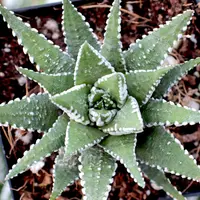
Haworthia 'Big Band' Light Requirements

Wild Haworthia types are associated with dry, rocky habitats in southern Africa, where intense sun is often broken by rocks, slopes, and seasonal cloud. They may receive bright open light and some direct sun, but are commonly protected from the strongest midday exposure.

This background explains why cultivated plants tolerate shade better than many sun-grown succulents, yet stay compact in brighter conditions. Preferred light is bright indirect or filtered light.

  • Ideal exposure:

    Haworthia 'Big Band' needs about 6–8 hours of bright indirect or filtered light daily, including up to 1–2 hours of gentle direct morning sun.

  • Safe direct sun:

    Direct sun is best limited to early morning or late afternoon because hot midday rays can scorch the banded leaves.

  • Lower light:

    It can tolerate bright shade, but growth often becomes slower and less compact when light stays weak.

  • Afternoon exposure:

    A west or unfiltered south window usually needs distance or a sheer curtain during the strongest months.

Indoors, Haworthia usually does best close to a bright window without harsh afternoon sun.

NConditional
North-facing window:

Use a north window only if it is large and unobstructed, because weak northern light can reduce compact growth.

EBest
East-facing window:

An east window is often the best indoor position, giving gentle morning sun and bright indirect light later.

SSuitable
South-facing window:

Place it 2–4 ft from the glass or behind a sheer curtain to avoid direct midday sun.

WConditional
West-facing window:

A west window can work only with filtering or added distance from the glass during hot afternoon exposure.

Choose the brightest safe position, then adjust if the plant stretches or shows sun stress.

Haworthia 'Big Band' may show sun stress after sudden exposure to intense direct light.

Bleached patches:

Pale tan or whitish areas on the sun-facing side can appear where tissue has been scorched.

Reddish cast:

Leaves may take on a bronze or reddish tone when light is stronger than the plant was accustomed to.

Dry sunken spots:

Scorched areas can become dry, flat, or slightly sunken rather than evenly patterned.

Closed growth:

The rosette may look tighter and duller as leaves pull inward under strong sun.

Move it back from hot glass or add a sheer curtain. Reintroduce brighter light gradually over 1–2 weeks.

Low light usually changes the plant’s shape before it causes obvious damage.

  • Stretched center:

    New leaves may rise upward and the rosette can lose its low, compact shape.

  • Wider spacing:

    Growth may look more open, with extra space between leaves compared with older growth.

  • Weaker banding:

    The white bands on Haworthia 'Big Band' may look less crisp when light remains weak.

  • Leaning growth:

    The whole plant may lean toward the nearest bright window or light source.

  • Limited growth:

    During spring and summer, new growth may be very small or slow despite otherwise steady care.

Shift it to a brighter indirect position. Increase exposure in steps to avoid sun stress.

If ideal light is not available, choose the brightest spot that avoids hot afternoon rays. A position a few feet back from strong glass is usually better than deep shade.

Rotate the pot a quarter turn every 1–2 weeks to keep the rosette even. Add a sheer curtain when direct sun creates hot, sharp patches on the leaves.

A dark shelf is unsuitable because the rosette is likely to stretch and lose contrast.

Get Personalized Care Plan

Scan your plant to receive care tips personalized for your specific plant

FAQ

The best light for Haworthia is bright indirect or filtered light for most of the day, with brief gentle morning sun if the plant has been acclimated gradually.

More Plant Light Guides

Get the Botan App

Discover how to care for your plants with Botan.

Botan app identifying a plant with a phone camera
How to Bottom Water Plants: Complete Guide

6 min read · 13 Jul 2026

How to Bottom Water Plants: Complete Guide

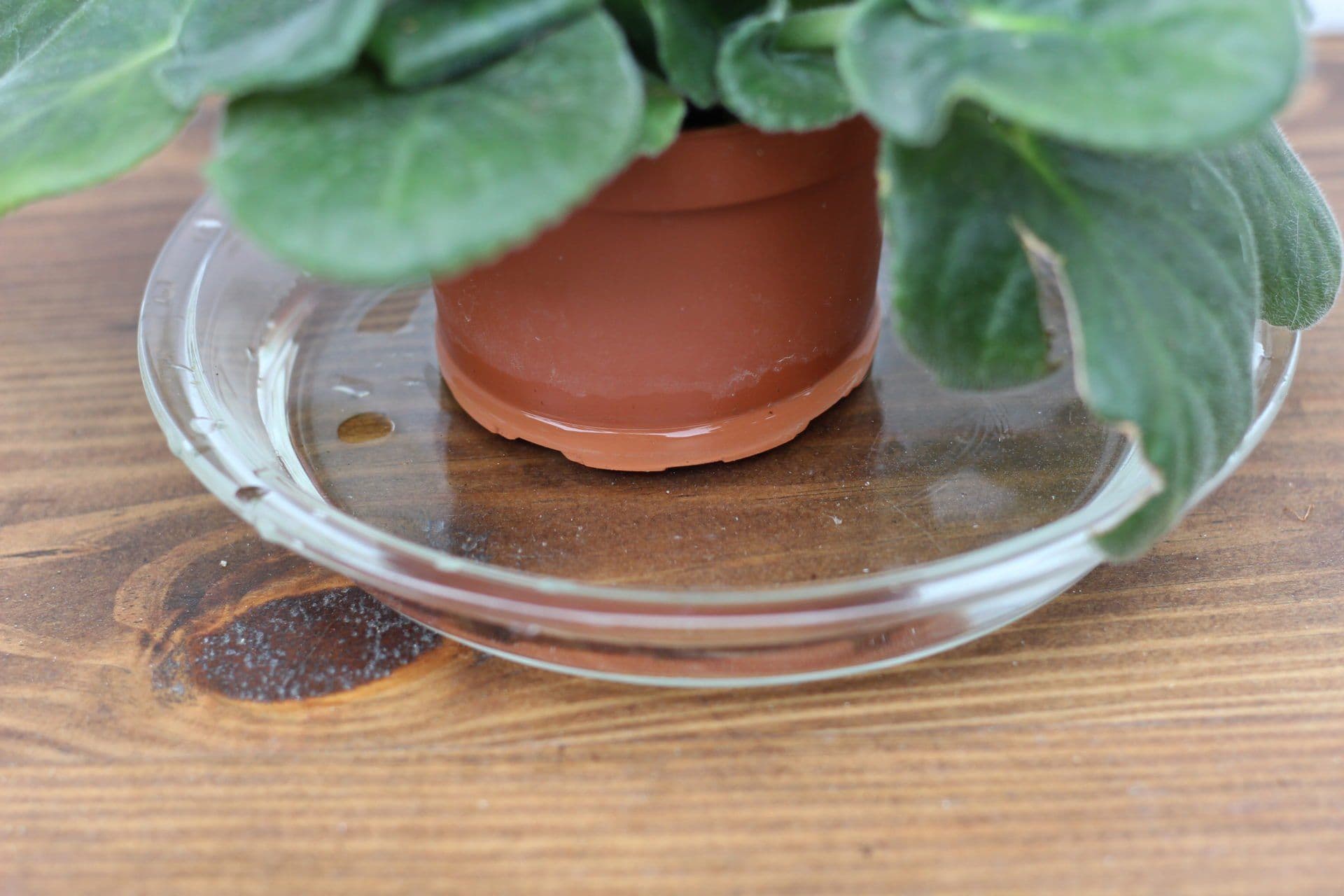
Bottom watering helps soil absorb moisture evenly and keeps foliage dry, reducing the risk of missed dry spots or root problems. Place the pot in a tray of water for a short time, then let it drain well.

Plant Care

How to Bottom Water Plants: Complete Guide
When to Harvest Carrots: Timing, Signs, and How to Pick Them

6 min read · 23 Oct 2026

When to Harvest Carrots: Timing, Signs, and How to Pick Them

Carrots are usually ready 60-80 days after sowing them in the soil, depending on the variety. Learn how to recognize maturity signs, choose the right harvest season, pull carrots without damaging them, and store roots after picking.

Plant Care
When to Harvest Carrots: Timing, Signs, and How to Pick Them
Is Sugar Water Good for Plants?

4 min read · 14 Sept 2026

Is Sugar Water Good for Plants?

Sugar water may sound like an easy boost, but most rooted plants do not need extra sucrose. This guide explains how green tissues produce carbohydrates, when a sweetened solution can be useful, and why too much can cause problems.

Plant Care
Is Sugar Water Good for Plants?