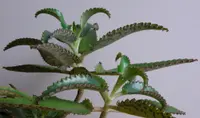


Mother of Thousands (Kalanchoe daigremontiana) Light Needs

Mother of Thousands grows best in bright light with several hours of gentle direct sun each day.

Light Preference

Partial Sun

Kalanchoe daigremontiana Light Requirements

In its native dry, rocky habitats of Madagascar, Kalanchoe daigremontiana grows in open, high-light settings where sun is strong but moisture is limited. Plants may receive direct sun for part of the day, with brief protection from rocks, surrounding cover, or seasonal angle changes. In cultivation, this points to bright exposure rather than shade. Its preferred light is bright partial sun.

  • Daily duration:

    Mother of Thousands needs about 6–8 hours of bright light daily, ideally partial sun with 3–5 hours of direct sun.

  • Gentle sun:

    Morning sun is safest indoors and outdoors because it supports compact growth with lower burn risk.

  • Harsh sun:

    Full sun is tolerated after acclimation, but hot afternoon exposure can scorch leaves behind glass or outdoors.

  • Low light:

    Shade is not suitable; growth usually stretches and weakens when light stays dim.

Indoors, this succulent needs the brightest practical placement rather than a shaded room corner.

NPoor
North-facing window:

A north-facing window is usually too dim unless it is unusually bright and unobstructed.

EBest
East-facing window:

An east-facing window gives gentle morning sun and bright light, usually close to the glass.

SSuitable
South-facing window:

A south-facing window works well if intense midday sun is filtered or the pot sits 1–3 ft back.

WConditional
West-facing window:

A west-facing window can work with a sheer curtain or 2–4 ft of distance from hot afternoon rays.

If stems lean, rotate the pot every 1–2 weeks and move it closer to the light.

Excess light usually appears after sudden exposure or hot afternoon sun.

Bleached patches:

Pale tan or whitish areas may form on leaves that faced the strongest light.

Corky scarring:

Older sunburned spots can dry into rough, permanent marks rather than fading.

Red-stressed leaves:

A pink or reddish cast can appear in strong light; mild color is not always harmful, but deepening color with marks suggests stress.

Collapsed leaflets:

Small plantlets along the leaf edges may shrivel when rays are too intense.

Move the plant out of harsh afternoon sun and reintroduce brighter exposure over 1–2 weeks. Use filtered light or a brighter morning position.

Low light shows through growth shape before the plant looks badly stressed.

  • Long spaces:

    New leaves may form farther apart, making the stem look stretched instead of compact.

  • Leaning growth:

    Stems often angle toward the nearest window when light is strongest from one side.

  • Small new leaves:

    Fresh growth may come in narrower or smaller than older leaves.

  • Fewer plantlets:

    Leaf-edge plantlets may develop more slowly when the plant cannot make enough energy.

  • Limited blooming:

    Indoor plants may not flower, but very weak light further reduces the chance.

Move it to brighter exposure gradually, starting with morning sun or bright filtered light. Avoid shifting a shaded plant straight into full sun.

If ideal exposure is not available, choose the brightest safe spot and aim for at least a few hours of direct morning sun or strong filtered light.

Increase light in steps over 1–2 weeks, and rotate the pot regularly so the main stem does not lean toward one side.

A dim shelf far from natural light is unsuitable because growth stretches quickly and remains weak.

Get Personalized Care Plan

Scan your plant to receive care tips personalized for your specific plant

FAQ

It does best with about 6–8 hours of bright light daily, including 3–5 hours of direct sun. Strong morning sun is usually easier to manage than hot afternoon sun.

More Plant Light Guides

Get the Botan App

Discover how to care for your plants with Botan.

Botan app identifying a plant with a phone camera
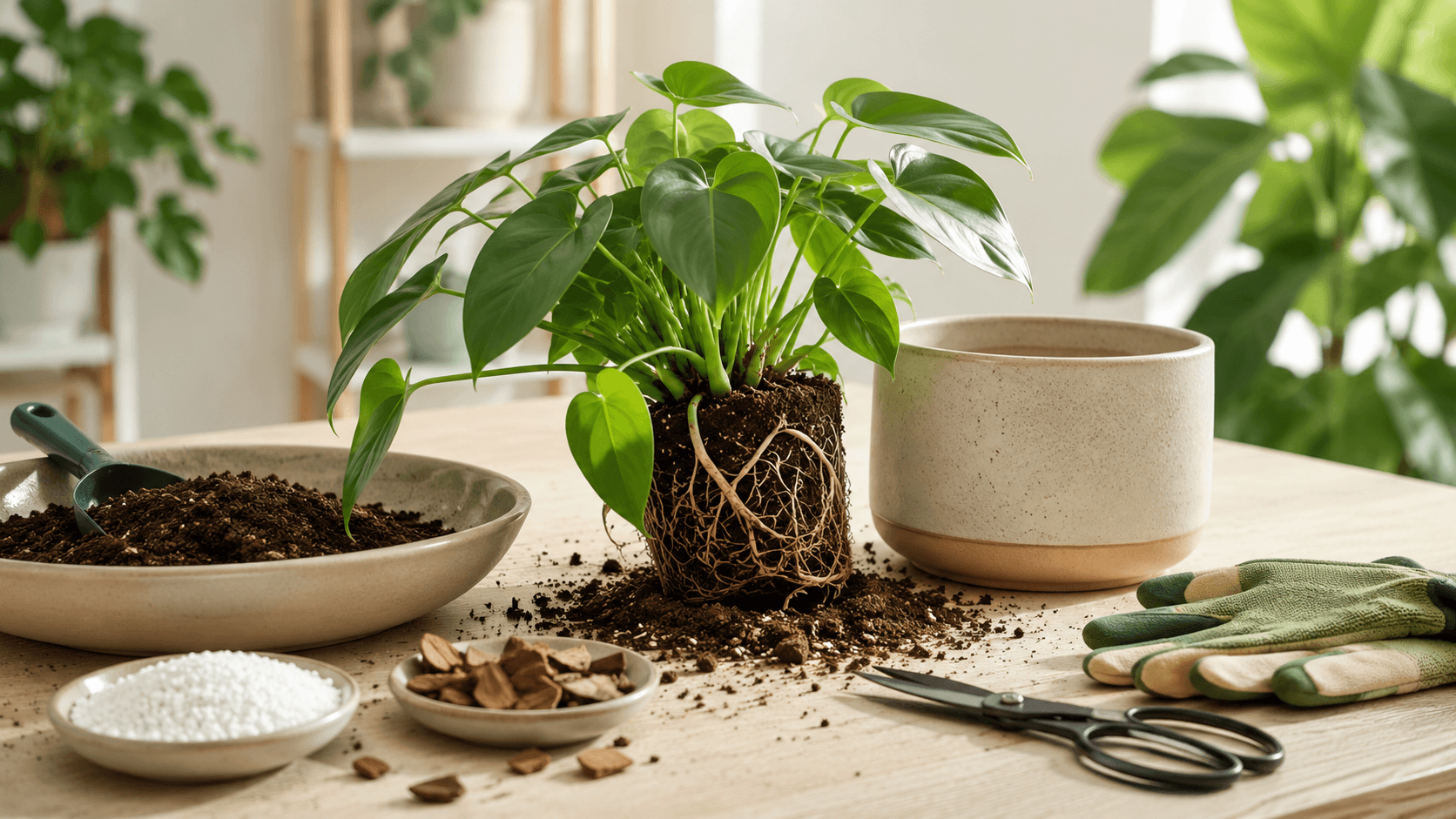
How to Repot a Plant: A Step-by-Step Guide

7 min read · 28 May 2026

How to Repot a Plant: A Step-by-Step Guide

In spring, many plants need repotting—an essential part of care. To avoid stress, consider the plant’s type and size. This article offers a step-by-step guide for repotting indoors or outdoors and shows how to check plant health and get care tips using the Botan app.

Plant Care
How to Repot a Plant: A Step-by-Step Guide
How Long Can Flowers Go Without Water? Everything You Need to Know

6 min read · 10 Jul 2026

How Long Can Flowers Go Without Water? Everything You Need to Know

Flowers can survive without water anywhere from 1-2 hours to several months, depending on the plant type, species, and growing conditions. Some strong-looking flowers are drought-sensitive, while delicate-looking plants may tolerate long dry periods surprisingly well.

Plant Care
How Long Can Flowers Go Without Water? Everything You Need to Know
How to Winterize Your Garden in 6 Steps

5 min read · 28 Sept 2026

How to Winterize Your Garden in 6 Steps

Learn how to prepare your garden for winter with a practical six-step checklist covering cleanup, tender plant care, watering, mulching, winter protection, and winterizing equipment and containers.

Plant Care
How to Winterize Your Garden in 6 Steps