Mother of Thousands (Kalanchoe daigremontiana) Watering Guide

This page explains when, how often, and how much to water Kalanchoe daigremontiana in typical indoor conditions.

Water Requirements

Low Water

Kalanchoe daigremontiana Watering

This succulent comes from arid regions with brief, irregular rainfall, so it is adapted to dry, fast-draining soil. Kalanchoe daigremontiana prefers the soil to dry between waterings rather than staying consistently moist indoors or outdoors.

In practice, watering Mother of Thousands means giving thorough drinks separated by dry periods. Indoor plants usually need a bit less frequent attention than outdoor container plants, but the same dry-then-water rhythm guides how to water Mother of Thousands overall.

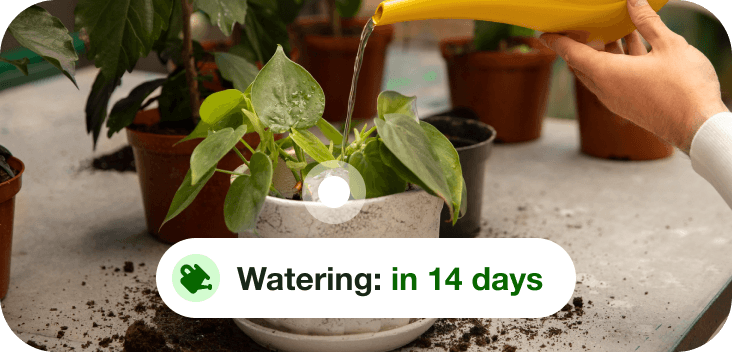
Let the soil dry out almost completely between waterings, then wait until the top 1–2 inches (3–5 cm) feel dry and the pot feels noticeably lighter. Mother of Thousands typically needs water about every 10–21 days indoors, with shorter intervals in strong light and warm summer conditions.

Water Mother of Thousands when the top 1–2 inches (3–5 cm) of soil feel completely dry and crumbly.

  • Pour room-temperature water slowly over the soil surface, circling the pot to reach the entire root zone evenly.
  • Continue adding water until it flows freely from the drainage holes, ensuring the full soil column is thoroughly moistened.
  • Let the pot drain completely, then empty any saucer or cachepot so the container does not sit in standing water.
  • Keep water off the leaves and crowded plantlets, directing the flow close to the base to reduce lingering moisture above soil.

Incorrect moisture levels disrupt Kalanchoe daigremontiana health, stressing roots and foliage over time.

Mushy Lower Leaves:

Basal leaves feel soft and translucent from chronic overwatering and suffocated roots in dense soil.

Wrinkled, Drooping Foliage:

Leaves pucker and sag when soil stays dry too long, indicating depleted internal water reserves.

Blackened Root System:

Roots appear dark and slimy from persistent saturation, encouraging rot and opportunistic fungal pathogens.

Salt-Crusted Soil Surface:

White crust on potting mix signals mineral buildup from hard water and infrequent deep flushing.

Keep soil lightly moist then drying, avoiding both prolonged saturation and extended bone-dry periods.

Unsuitable watering habits can stress Mother of Thousands, weakening its roots, leaves, and growth even when light and temperature seem fine.

  • Watering by calendar: Following a strict schedule ignores how fast the soil dries; instead, check the top layer and water only when dry.
  • Dense, moisture-heavy soil: Using peat-heavy or compact soil keeps roots wet too long; choose a gritty, fast-draining cactus or succulent mix instead.
  • Letting runoff sit: Leaving water in the saucer re-soaks the potting mix; empty saucers shortly after watering so roots can breathe.

Prioritize quick drainage and soil dryness between waterings, adjusting timing to conditions so this succulent stays hydrated but not soaked.

  • Spring: Active growth increases; water when the top 1–2 inches of soil are dry, but avoid staying constantly moist to prevent root issues.
  • Summer: Heat and intense light speed drying; check soil more often, yet keep watering moderate and never on a fixed schedule.
  • Fall: Growth slows and shorter days reduce use of water, so extend the drying period between waterings before soaking again.
  • Winter: In cool, bright indoor spots, plant rests; water sparingly after the mix has dried fully, especially if temperatures drop below 60°F.

Your Mother of Thousands Care Companion

Use Botan for a clear watering guide and simple care steps for your plant. The app also reviews photos to help spot early issues before they spread.

Botan plant care app — identify plants on mobile

Interesting Watering Facts

CAM night-time watering

Kalanchoe daigremontiana uses crassulacean acid metabolism (CAM), opening its stomata mainly at night to reduce water loss, so it tolerates relatively dry air and benefits from a dry surface between waterings more than many non-succulent houseplants.


Shallow rain-harvesting roots

In its native range in Madagascar, this species grows on rocky, shallow soils with brief rains, using a shallow, wide root system that quickly absorbs surface moisture, then endures extended dry periods without damage.

Water-storing keiki plantlets

The small plantlets along the leaf edges store water in their thick tissues, allowing them to survive short droughts and root in tiny pockets of moist debris, which explains how the plant can spread in dry, marginal sites.

FAQ

Filtered water can be helpful in areas with very hard or heavily chlorinated tap water, but it is not essential. The main priority is well-draining soil and avoiding standing water around the roots.

Everything About Mother of Thousands

More Plant Watering Guides

Is Your Watering Routine Hurting Your Mother of Thousands?

Use Botan to review your watering pattern and adjust it with confidence.

Watering a plant with a copper watering can
What Plants Don't Like Epsom Salt?

11 min read · 29 Jul 2026

What Plants Don't Like Epsom Salt?

Learn which plants can be seriously damaged by Epsom salt and which will thrive on it. We’ll explain when and how to use it properly, provide tips for indoor & outdoor plants — read on and enjoy a healthy garden.

Plant Care
What Plants Don't Like Epsom Salt?
Top 15 Fast-Growing Trees For Your Garden

13 min read · 28 Jul 2026

Top 15 Fast-Growing Trees For Your Garden

Learn which of the 15 fastest-growing trees will suit your area. We’ll share detailed information on each: growth rate, mature spread, key tree demands, and main vulnerabilities. Read on and make the best choice possible.

Plant Recommendations
Top 15 Fast-Growing Trees For Your Garden
Plants That Repel Mosquitoes – 10 Effective Choices

8 min read · 6 Jul 2026

Plants That Repel Mosquitoes – 10 Effective Choices

Plants that repel mosquitoes can help mask human scent naturally and make outdoor spaces more comfortable. Explore the most effective options, their benefits and drawbacks, and choose the right plant for your space.

Plant Recommendations
Plants That Repel Mosquitoes – 10 Effective Choices