Heart-shaped water storage
The thick, heart-shaped leaves of Hoya kerrii act as water reservoirs, allowing the plant to tolerate long dry periods between waterings compared with many other common houseplants.


This page explains when, how often, and how much to water Hoya kerrii in everyday home conditions.

Water Requirements
Low Water
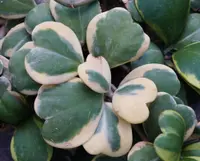
Native to Southeast Asian forests with seasonal rainfall, this species is adapted to dry, airy conditions between showers. Its thick, succulent leaves store moisture, so Hoya kerrii prefers drying slightly between waterings rather than constant dampness.
Indoors, watering Hoya Hearts means imitating those drier spells while avoiding prolonged sogginess. This page outlines how to water Hoya Hearts in a simple, predictable way before exploring finer adjustments.
Let the soil dry out almost completely before watering Hoya kerrii again. Check that at least the top 1–2 inches (3–5 cm) feel dry and the pot is noticeably lighter. In bright, warm conditions watering is typically needed about every 2–4 weeks, while lower light or cooler rooms extend this interval.
Water when the top half of the potting mix feels dry, giving Hoya Hearts a slow, deep drink that drains freely.
Incorrect moisture balance can harm Hoya kerrii, stressing roots and slow-growing foliage.
Plump, yellowing leaves with soft bases usually indicate prolonged excess moisture and slow root suffocation.
Deeply wrinkled, folding leaves often signal extended dryness or extremely fast-draining soil mix.
Leaves detaching near the soil surface commonly result from repeated overwatering and early root decay.
Blackened, mushy roots with sour odor point to chronic saturation and compacted, poorly aerated substrate.
Keep soil lightly moist then dry, prioritizing deep but infrequent watering in a fast-draining mix.
Unsuitable watering habits can slowly stress Hoya Hearts, weakening new growth and making this succulent vine less resilient indoors.
Aim for a briefly moist, mostly dry cycle in a fast-draining mix, guided by how the soil feels rather than the calendar.

Plant Water Guide
Learn how much water your plant needs and keep its routine on track
Use Botan for a simple, tailored watering guide and practical care steps for Hoya kerrii, plus gentle photo-based checkups that help flag early signs of stress or common plant issues.
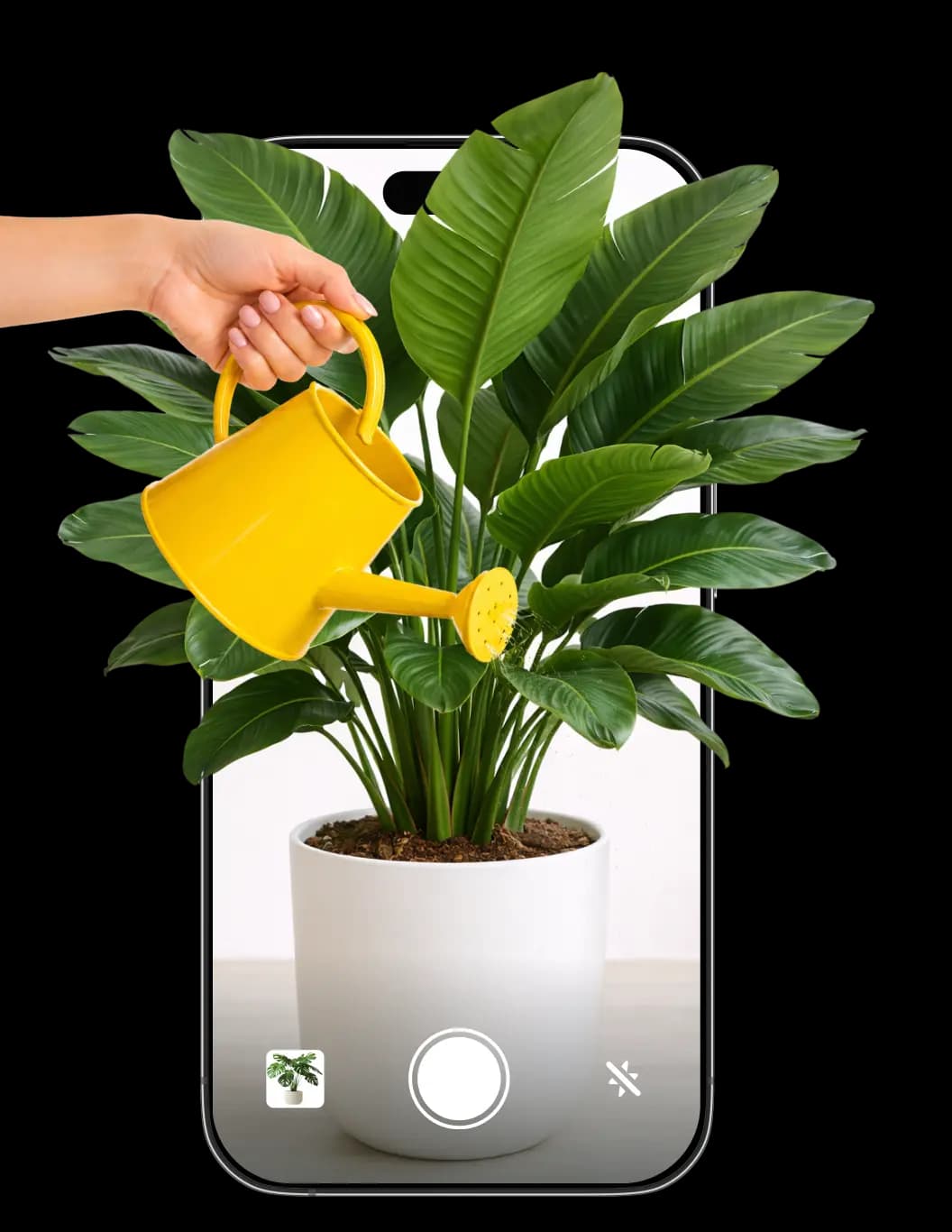
The thick, heart-shaped leaves of Hoya kerrii act as water reservoirs, allowing the plant to tolerate long dry periods between waterings compared with many other common houseplants.
Hoya kerrii forms a relatively small, slow-growing root system that takes up water gradually, which is why it is prone to root rot in dense or constantly wet soil.
Water lightly right after repotting to settle the mix around the roots, then let excess drain fully. After that, wait until the top 1–2 inches of soil dry before the next Hoya Hearts watering.
Let Botan review your watering pattern so adjustments stay straightforward and low‑stress.
8 min read · 9 Oct 2026
Want a garden that looks eerie in October? Here are 15 Halloween plants and fungi, from carnivorous traps to bleeding mushrooms. For each species, we cover its appearance, care requirements, and potential uses in your landscape.

5 min read · 21 Jul 2026
Summer watering is easy to get wrong. This guide explains when to turn on your sprinkler, how much liquid your grass needs each week, and how to tell if you're overwatering or underwatering.

5 min read · 9 Jul 2026
Banana water can provide potassium and some nutrients that may support plant growth, but it is not a universal fix. Use it carefully and only when the plant actually shows signs of nutrient deficiency rather than as a routine treatment.