




Cantaloupe (Cucumis melo var. flexuosus) Watering Guide

This page explains when, how often, and how much to water Cucumis melo var. flexuosus for balanced moisture.

Water Requirements

Regular Water

Cucumis melo var. flexuosus Watering

Originating from semi-arid regions, this vining melon grows where rainfall is occasional and soils dry between showers. For Cucumis melo var. flexuosus, aim for soil that dries slightly between waterings rather than staying constantly wet.

This overview guides watering Cantaloupe in both beds and containers, with in-ground plants generally needing less frequent attention than pots. Later sections explain how to water Cantaloupe in more detail for different climates and growing setups.

Water when the top 1–2 inches (3–5 cm) of soil feel dry, as Cucumis melo var. flexuosus prefers consistent but not soggy moisture. This typically means watering about every 2–4 days in hot, sunny outdoor conditions, with slightly longer intervals in cooler weather or partial shade.

Water Cantaloupe when the top 1-2 inches (3-5 cm) of soil feel dry, using deep, even moisture around roots.

  • Pour water slowly at the base of the plant, keeping leaves, stems, and fruit as dry as possible to reduce issues.
  • Moisten soil deeply so water reaches the full root zone, then stop when it begins draining from the bed or container.
  • Allow excess water to drain freely; empty saucers or trays so roots sit in moist, not saturated, soil.
  • Use a watering can, drip line, or soaker hose for gentle flow that avoids disturbing soil or exposing shallow roots.

Incorrect moisture levels can stress Cucumis melo var. flexuosus and trigger several avoidable growth problems.

Yellowing Lower Leaves:

Older leaves turn pale yellow from prolonged soggy soil, indicating oxygen-starved roots and nutrient imbalance.

Wilting In Midday Sun:

Plants droop during hot hours when shallow roots and dry soil limit rapid water uptake.

Fruit Cracking:

Maturing fruits split after sudden heavy watering following a dry spell that swells internal tissues.

Root Rot In Mounded Beds:

Brown, mushy roots develop where raised rows stay saturated from poor drainage or frequent overhead irrigation.

Keep soil evenly moist but never waterlogged, using well-drained beds and moderate, consistent irrigation adjustments.

Inconsistent or poorly planned watering can weaken Cucumis melo var. flexuosus, reducing growth, fruit quality, and resilience to stress.

  • Rigid watering schedule: Relying on a fixed calendar encourages stress in changing weather; instead, check soil moisture and adjust frequency to current conditions.
  • Poorly draining soil: Using dense, heavy soil keeps roots too wet; choose loose, sandy or loamy mixes that drain quickly yet retain light moisture.
  • No drainage or saucer care: Growing in containers without drainage holes or leaving runoff in saucers traps water; empty saucers and use free-draining pots.

Thoughtful watering that follows soil moisture, drainage, and weather patterns supports vigorous vines and better fruit on this cantaloupe type.

  • Spring: Growth accelerates as days warm; keep soil consistently moist but not soggy, adjusting for rainfall and improving drainage if conditions stay cool.
  • Summer: Peak fruiting in heat; water deeply and more often, focusing on early morning soakings and mulching to slow evaporation and prevent stress.
  • Fall: As temperatures ease and growth slows, gradually lengthen intervals between waterings, aiming for slightly drier topsoil while fruits finish maturing.
  • Winter: In mild, frost-free climates, vines usually decline; remove plants or reduce irrigation sharply, supplying only enough moisture to prevent soil from cracking.

Your Cantaloupe Care Companion

Use Botan for a clear watering guide and simple care steps for Cucumis melo var. flexuosus. The app can also flag early plant issues from photos before they spread.

Botan plant care app — identify plants on mobile

FAQ

In-ground plants usually need deep watering 1–2 times per week, depending on heat, wind, and soil type. Adjust how often to water based on the top 1–2 inches (3–5 cm) of soil drying out.

More Plant Watering Guides

Is Your Watering Routine Hurting Your Cantaloupe?

Botan reviews your watering pattern so you can adjust it with confidence.

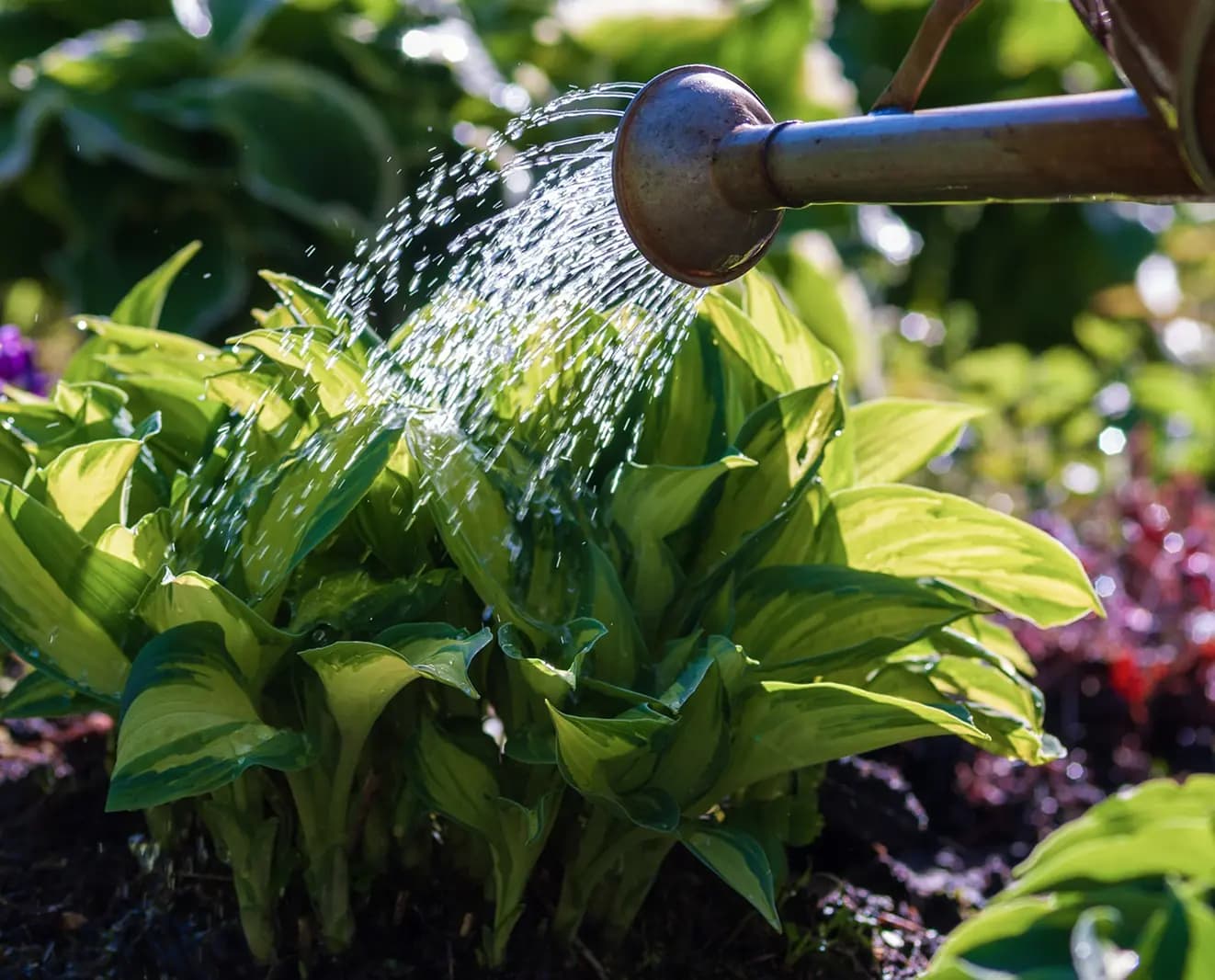
Watering a plant with a copper watering can
20 Most Popular Fruits Around the World

7 min read · 22 Jul 2026

20 Most Popular Fruits Around the World

Curious which fruits the world actually eats the most? Here's the top-20 by production volume, an overview of what people choose in each region, and a few figures that defy common assumptions.

Plant Recommendations
20 Most Popular Fruits Around the World
Rice Water for Plants – Which Plants Love It and How to Make It

8 min read · 14 Jul 2026

Rice Water for Plants – Which Plants Love It and How to Make It

Rice water can be an ideal DIY solution for orchids, roses, or fruiting plants. It supports growth, leaf count, and height. We’ll share how to make and apply it correctly for your plant.

Plant Care
Rice Water for Plants – Which Plants Love It and How to Make It
How To Revive a Dying Plant: 6 Steps To Bring A Plant Back To Life

6 min read · 1 Sept 2026

How To Revive a Dying Plant: 6 Steps To Bring A Plant Back To Life

Drooping leaves and brown tips don't always mean the end, and a weakened plant can often recover with a little help. These six simple steps will help you revive a dying plant and restore its health.

Plant Care
How To Revive a Dying Plant: 6 Steps To Bring A Plant Back To Life