Elephant Bush (Portulacaria afra) Watering Guide

This page explains when, how often, and how much to water Portulacaria afra in simple, practical terms.

Water Requirements

Low Water

Portulacaria afra Watering

This drought-tolerant succulent from semi-arid South African habitats naturally experiences dry soil between irregular rainfalls. Portulacaria afra prefers soil that dries noticeably between waterings rather than staying consistently moist in typical home conditions.

For watering Elephant Bush, think in terms of infrequent, deeper sessions separated by substantial drying. Indoors, pots dry faster than in-ground plants outdoors, so container-grown specimens usually need closer attention without strict schedules.

Let the soil dry out almost completely between waterings; check that the top 1–2 inches (3–5 cm) feel dry before adding water. In bright indoor light, this usually means watering about every 2–3 weeks, less often in winter or if the plant is kept in cooler rooms.

Water Elephant Bush when the top 1–2 inches (3–5 cm) of soil feel completely dry and the pot feels light.

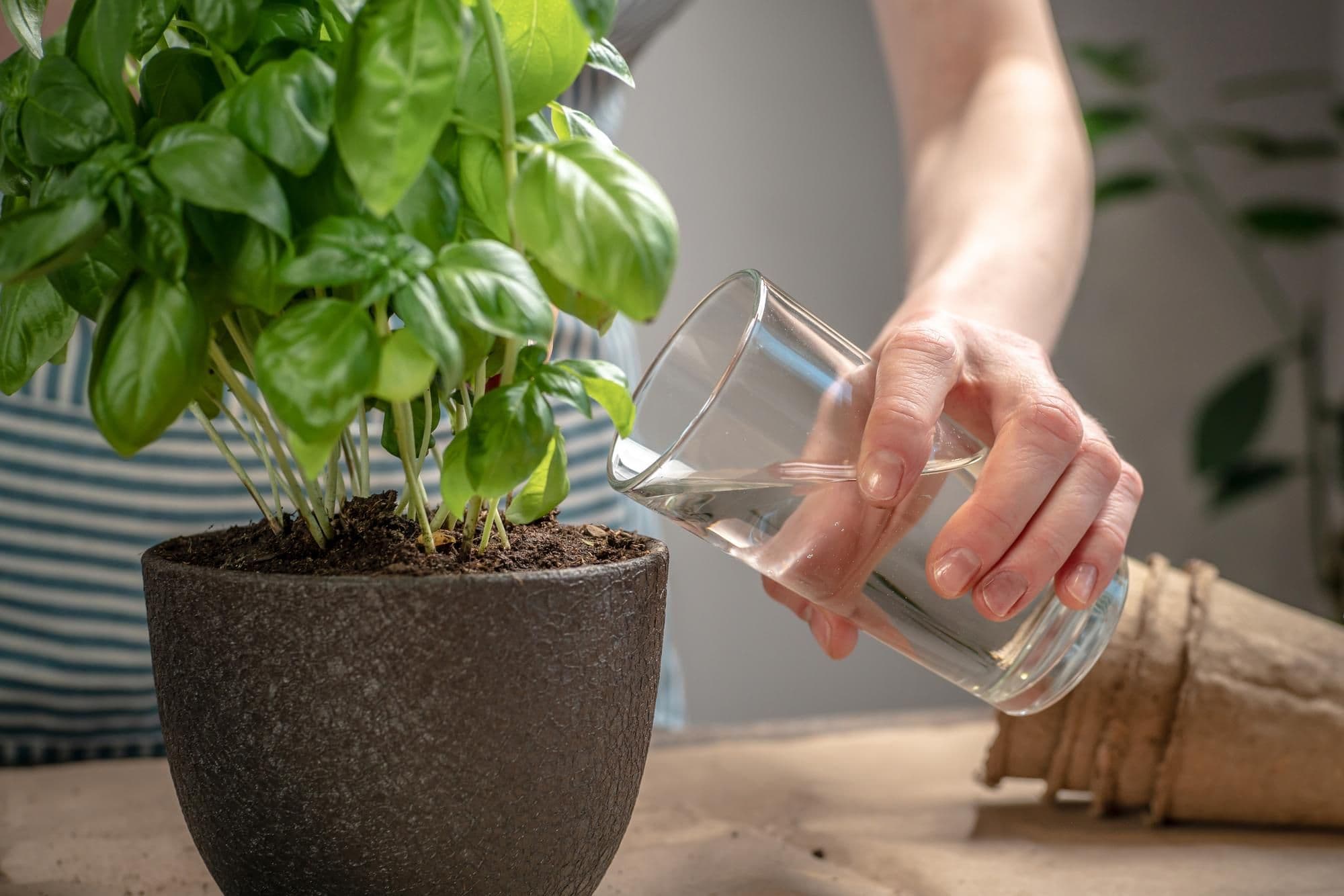
  • Pour room‑temperature water slowly over the soil surface, circling the pot so the entire root zone is reached evenly.
  • Continue watering until liquid runs from the drainage holes, ensuring the central and lower roots receive a thorough soak.
  • Let the pot drain fully for several minutes, then empty any saucer so roots do not sit in standing water.
  • Keep leaves and stems dry while watering, aiming between them, to reduce moisture sitting on succulent tissue and soil surface.

Incorrect moisture levels can stress Portulacaria afra and trigger several avoidable care problems.

Mushy Translucent Leaves:

Soft, see-through pads usually indicate chronic overwatering and oxygen-poor soil suffocating the roots.

Wrinkled Shriveled Leaves:

Deflated foliage commonly points to prolonged underwatering or very fast-draining soil drying too quickly.

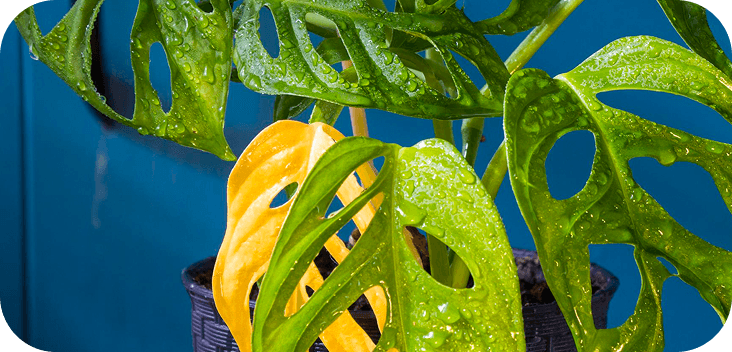
Yellowing Lower Leaves:

Older leaves turning yellow and dropping often result from repeated saturation and slow-drying potting mix.

Blackened Root Base:

Dark, soft stem at soil line suggests root rot from poor drainage and frequent watering.

Leaf Drop After Watering:

Sudden shed of many leaves may follow deep watering after an extended very dry period.

Let soil dry most of the way between waterings, then hydrate thoroughly with excellent drainage.

Unsuitable watering habits disturb Portulacaria afra’s drought-adapted roots, making this succulent less resilient and more vulnerable to stress.

  • Following a fixed schedule: Watering every week or month ignores changing light and temperature; instead, check that the soil is fully dry before watering again.
  • Using moisture-retentive soil: Heavy, peat-rich mixes stay wet too long for this succulent; choose a gritty cactus blend with added mineral grit for faster drainage.
  • Letting water sit in saucers: Leaving runoff around the roots keeps the bottom layer constantly wet; empty trays within a few minutes to let soil breathe.

Treat elephant bush as a drought-tolerant succulent, letting soil dry deeply and then watering thoroughly, with quick drainage and brief wet periods.

  • Spring: Growth typically resumes, so allow soil to dry between waterings but expect to water slightly more often as new stems and leaves develop.
  • Summer: In strong heat or bright outdoor sun, deepen soakings but keep intervals long, ensuring the mix dries fully to prevent swollen, weak growth.
  • Fall: As light and temperatures drop, gradually extend the time between waterings to slow growth and reduce the risk of root rot.
  • Winter: With shorter days and cooler indoor conditions, the plant often rests and may need only very occasional, light watering once soil is dry.

Track Watering. Catch Problems Early

Use Botan for a clear watering guide and simple care steps for Portulacaria afra, plus gentle photo-based checks that help spot early leaf, stem, or watering issues.

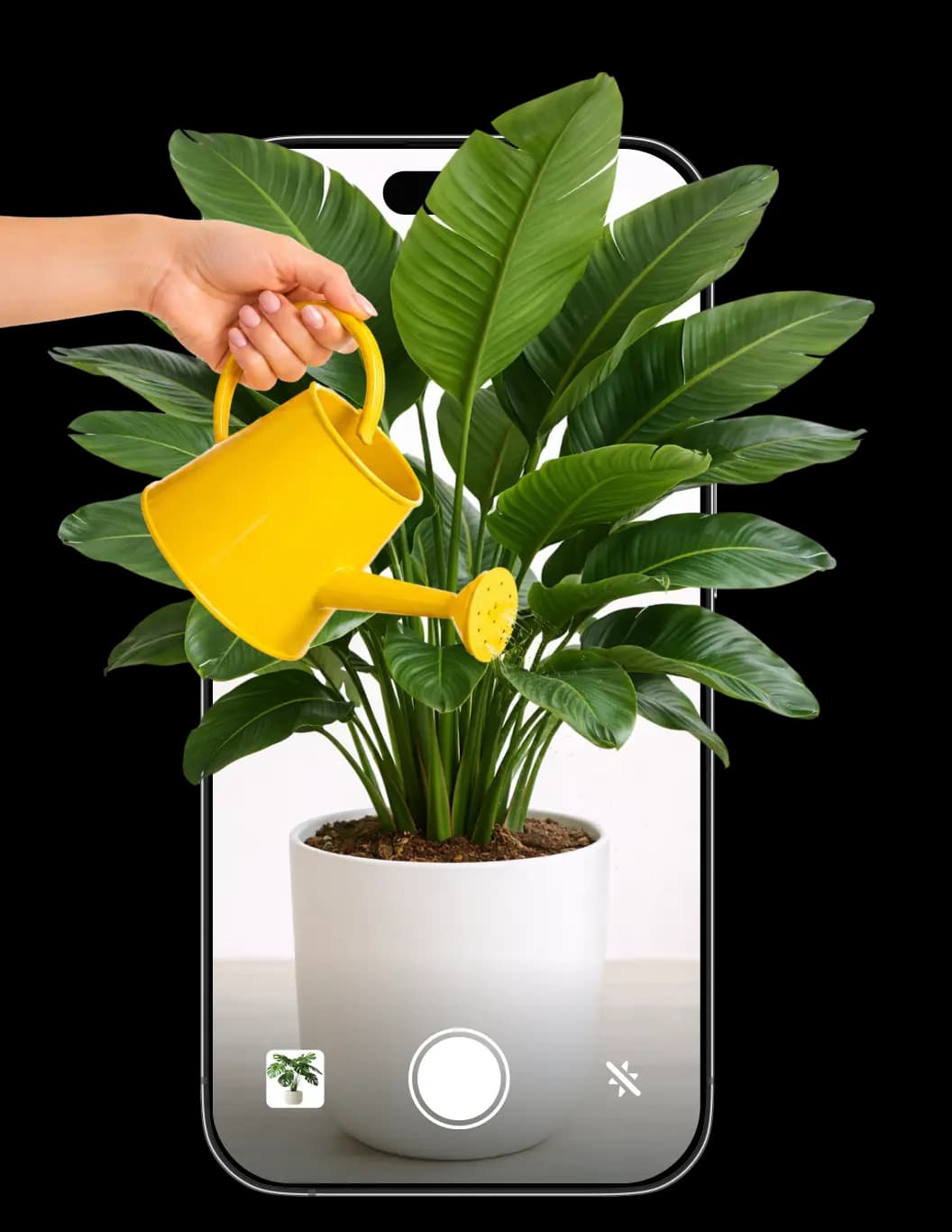
Botan plant care app — identify plants on mobile

Interesting Watering Facts

Elephant-browsing resilience

In its native South African range, Portulacaria afra often re-sprouts after elephants break branches and strip leaves, using stored stem moisture and efficient water-use to recover, which helps it persist under intense browsing and intermittent drought.


Switched photosynthesis mode

Portulacaria afra can shift between C3 and CAM photosynthesis depending on water availability, opening stomata mainly at night during drought to reduce water loss and then reverting toward C3 when moisture is more available.

Fog and dew harvesting

In some coastal habitats, Portulacaria afra supplements scarce rainfall by absorbing moisture from fog and dew on its small, succulent leaves, which helps it survive in semi-arid thicket ecosystems with irregular showers.

FAQ

Let the soil dry completely, then unpot and remove any black, mushy roots. Trim damage with sterile scissors, repot into dry, gritty succulent mix, and resume light watering only once the top half of the soil dries.

More Plant Watering Guides

Is Your Watering Routine Hurting Your Elephant Bush?

Botan reviews your watering routine so adjustments become easier and more confident.

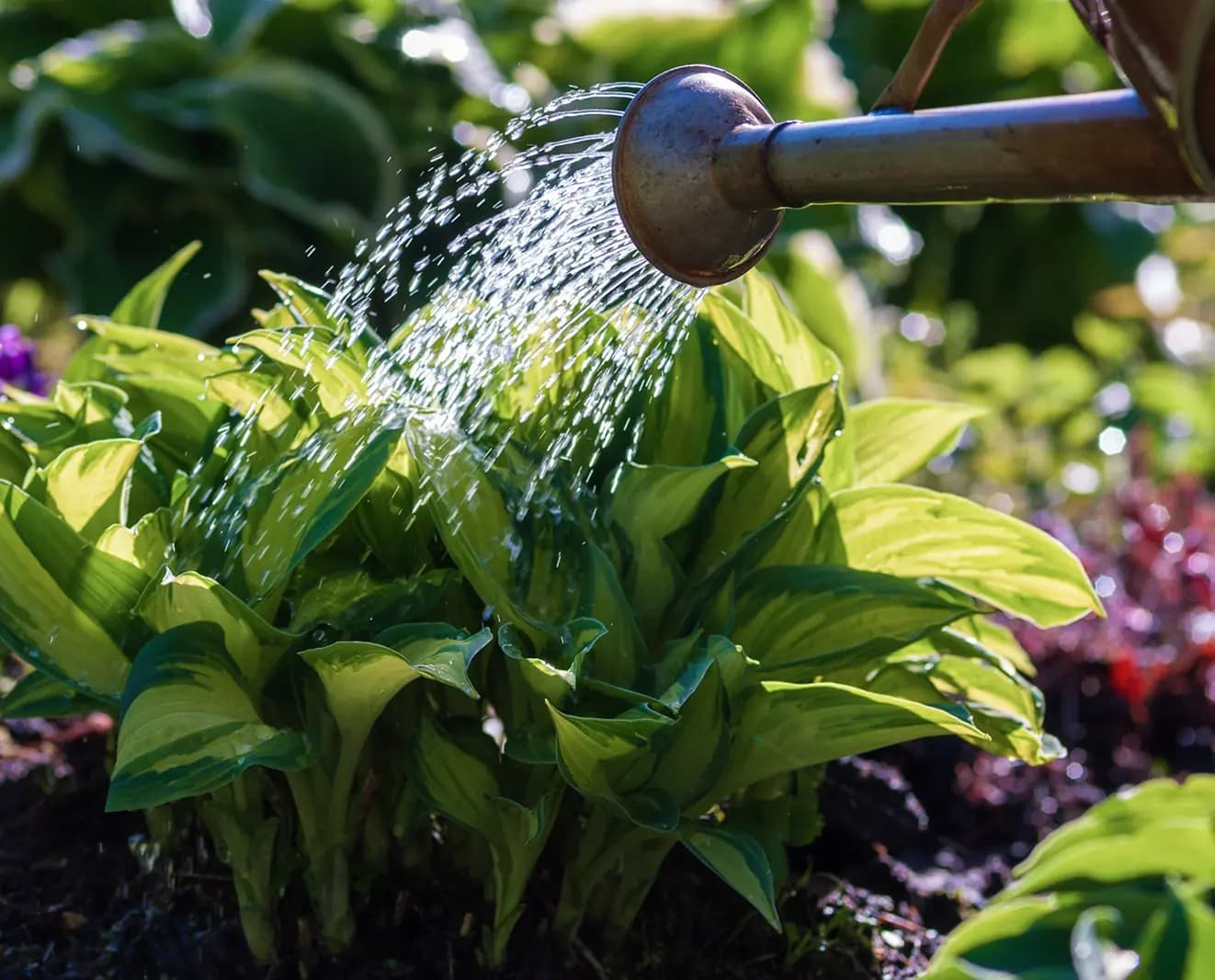
Watering a plant with a copper watering can
How to Increase Humidity for Plants – 8 Simple Ways That Work

8 min read · 14 Aug 2026

How to Increase Humidity for Plants – 8 Simple Ways That Work

Dry indoor air stresses a lot of houseplants. You usually notice it first in the browning leaf tips. This guide describes 8 simple ways to raise the moisture around your plants, from humidifiers to pebble trays.

Plant Care
How to Increase Humidity for Plants – 8 Simple Ways That Work
Dill Companion Plants – What to Grow Next to Dill

9 min read · 17 Jul 2026

Dill Companion Plants – What to Grow Next to Dill

Dill is an easy-to-grow plant that gets along well with many vegetables. This guide describes 15 plants that can be planted alongside it, a few to avoid, and mistakes that can quietly sabotage the entire process.

Plant Recommendations
Dill Companion Plants – What to Grow Next to Dill
Top 15 Fast-Growing Trees For Your Garden

13 min read · 28 Jul 2026

Top 15 Fast-Growing Trees For Your Garden

Learn which of the 15 fastest-growing trees will suit your area. We’ll share detailed information on each: growth rate, mature spread, key tree demands, and main vulnerabilities. Read on and make the best choice possible.

Plant Recommendations
Top 15 Fast-Growing Trees For Your Garden