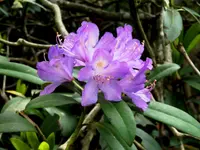
rhododendron (Rhododendron ponticum) Watering Guide

This page explains when, how often, and how much to water Rhododendron ponticum in typical home conditions.

Water Requirements

Keep Soil Moist

Rhododendron ponticum Watering

In its native woodland habitats, Rhododendron ponticum experiences steady rainfall and generally cool, humid conditions. It prefers soil that stays evenly moist rather than drying fully between waterings. Understanding how to water rhododendron starts with matching this gentle, consistent moisture pattern.

For garden plants, think in terms of regular, moderate moisture that avoids both drought stress and waterlogging. Container-grown specimens usually need closer attention, as pots lose moisture faster than in-ground plantings.

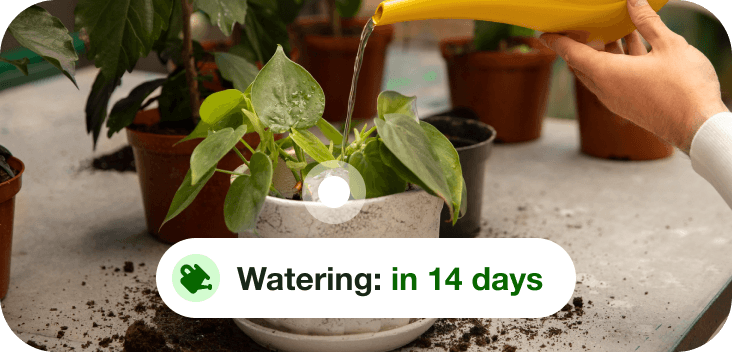
Let the top 1–2 inches (3–5 cm) of soil dry before watering again, keeping the root zone evenly moist but never saturated. This usually means watering Rhododendron ponticum about once a week in mild weather, with slightly more frequent watering during hot, dry spells or in smaller containers.

Water when the top 1–2 inches (3–5 cm) of soil feel dry, using a slow, deep-soaking method for rhododendron roots.

  • Pour water slowly at the drip line, circling the shrub so moisture reaches the entire shallow root zone.
  • Continue adding water until the soil is evenly moist to several inches deep, but not soggy or waterlogged.
  • Keep water off leaves and woody stems, directing the flow only onto the soil surface around the plant.
  • Ensure containers or beds drain freely, then empty saucers or catch trays so roots do not stand in leftover water.

Incorrect moisture levels can stress Rhododendron ponticum and gradually trigger several avoidable health problems.

Wilting And Leaf Curl:

Leaves droop and roll inward from alternating drought and overwatering, disrupting normal water movement within tissues.

Yellowing Between Veins:

Interveinal chlorosis develops when roots stay wet, limiting oxygen and essential nutrient uptake.

Brittle Leaf Tips:

Crisp, brown margins appear after repeated dry spells, especially in shallow, poorly mulched soils.

Root Rot In Soggy Soil:

Roots turn brown and mushy in compacted, waterlogged ground, reducing top growth and flowering.

Surface Crusting And Runoff:

Hardened soil sheds water away from roots, causing dry pockets beneath seemingly damp ground.

Keep soil consistently moist but never waterlogged, using airy, organic-rich ground that drains well.

Unsuitable watering habits quickly stress Rhododendron ponticum, disrupting blooming, weakening roots, and making plants more vulnerable to pests and disease.

  • Following a rigid schedule: Watering on the same calendar day ignores weather and soil changes; instead, check the top few inches and water only when drier.
  • Using heavy, poorly drained soil: Dense clay or peat-only mixes hold too much water around fine roots; choose a loose, acidic, bark-based mix for faster drainage.
  • Letting water sit in saucers: Leaving pots standing in runoff keeps roots constantly wet; empty saucers shortly after watering so excess moisture can escape.

Aim for evenly moist, never waterlogged soil, adjusting watering to current weather, soil moisture, and container conditions instead of fixed habits.

  • Spring: As new buds swell and leaves expand, keep soil consistently moist, reducing watering only during prolonged, cool and rainy periods.
  • Summer: In hot, dry spells, water deeply whenever the top inch of soil begins to dry, especially for shallow-rooted plants in full sun.
  • Fall: Gradually ease off watering as temperatures drop, keeping soil slightly moist to support root growth before winter sets in.
  • Winter: During dormancy, water sparingly but prevent complete drying, paying extra attention to container plants and sites exposed to drying winds.

Your rhododendron Care Companion

Use Botan for a clear watering guide and step‑by‑step care for Rhododendron ponticum, plus gentle photo-based checkups that help spot emerging leaf, stem, or soil issues early.

Botan plant care app — identify plants on mobile

Interesting Watering Facts

Preference for Acidic Moist Soils

This species occurs naturally in cool, high-rainfall, acidic habitats where soil stays moist but not waterlogged. In cultivation it tends to perform best when irrigation water and soil both remain on the acidic side, similar to its native conditions.


Sensitivity to Summer Drought

In parts of its introduced range, this shrub often declines or shows leaf scorch during extended summer dry spells unless roots can access consistently moist soil. Its natural distribution in humid, oceanic climates reflects this relatively low drought tolerance.

FAQ

Moisten the root zone deeply, then let the top inch of soil partly dry. Apply water slowly at the base, avoiding leaves and flowers. Use soft, slightly acidic water when possible, and keep soil consistently damp, not soggy.

More Plant Watering Guides

Is Your Watering Routine Hurting Your rhododendron?

Use Botan to review your watering routine and adjust it with simple guidance.

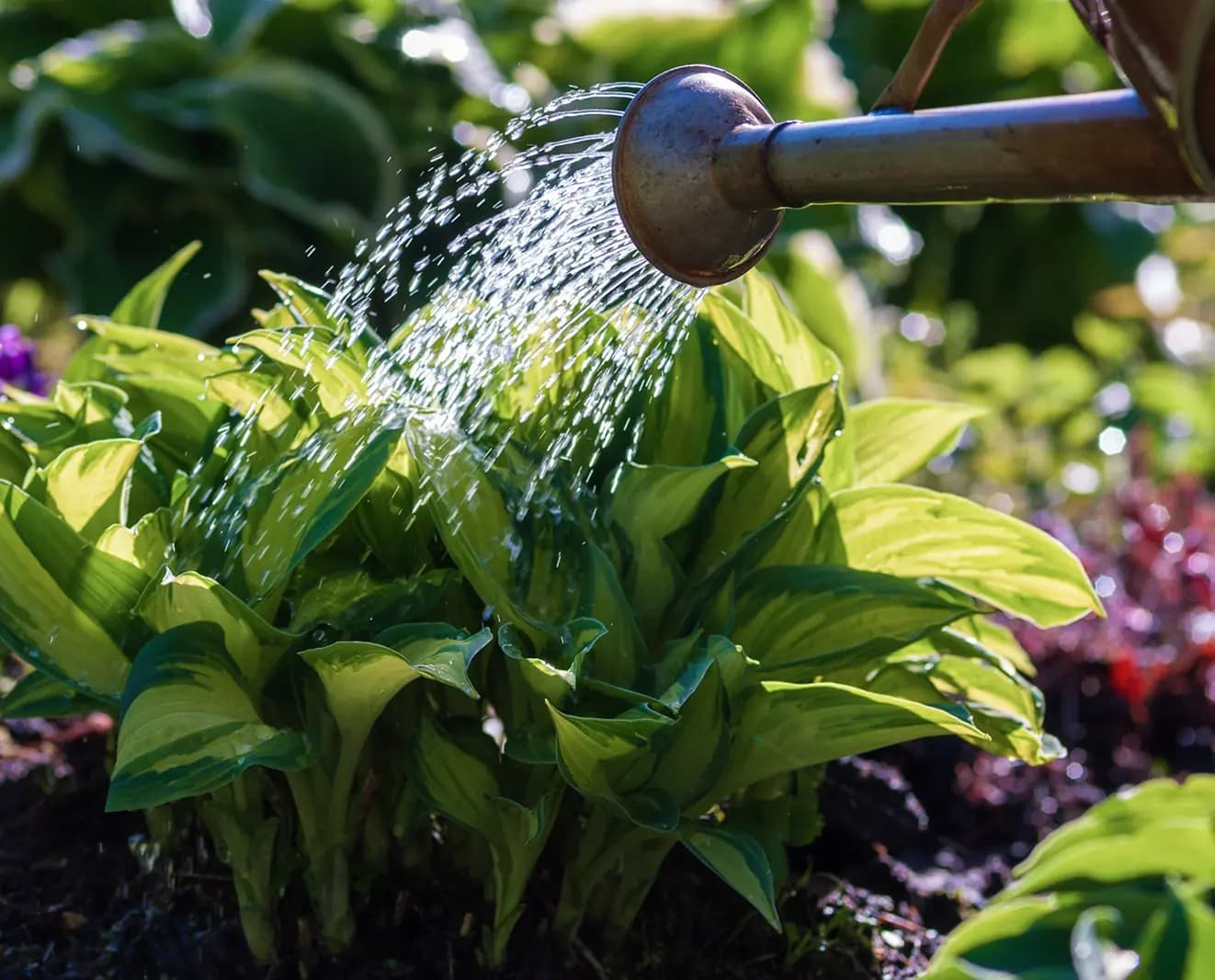
Watering a plant with a copper watering can
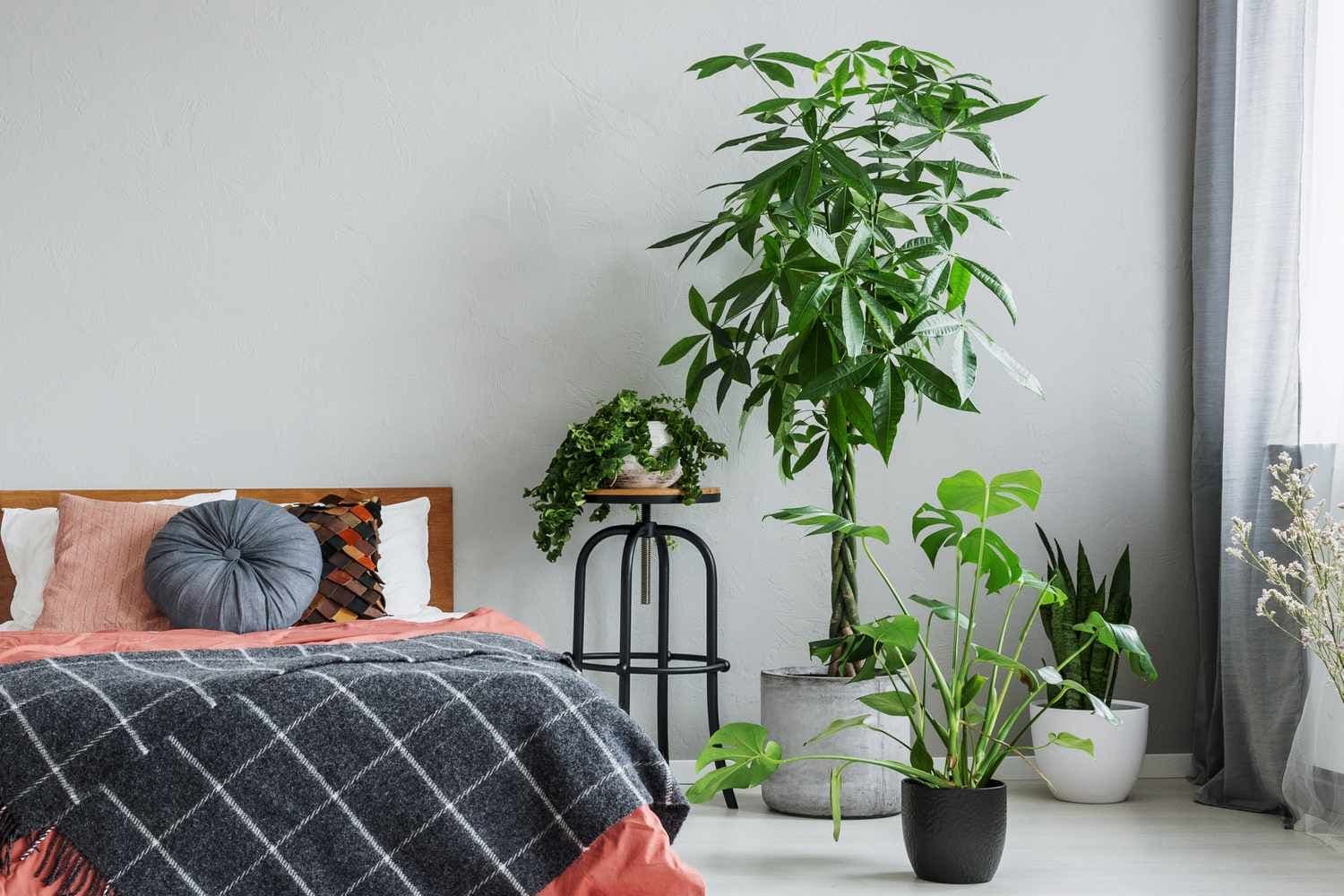
Best Bedroom Plants – Top 10 to Grow in Your Space

8 min read · 8 Jul 2026

Best Bedroom Plants – Top 10 to Grow in Your Space

Discover the top 10 houseplants that are suitable for growing in your bedroom. Compare their light and water needs, pet safety, and benefits. Find out where best to place greenery in your relaxation space and what species to avoid.

Plant Recommendations
Best Bedroom Plants – Top 10 to Grow in Your Space
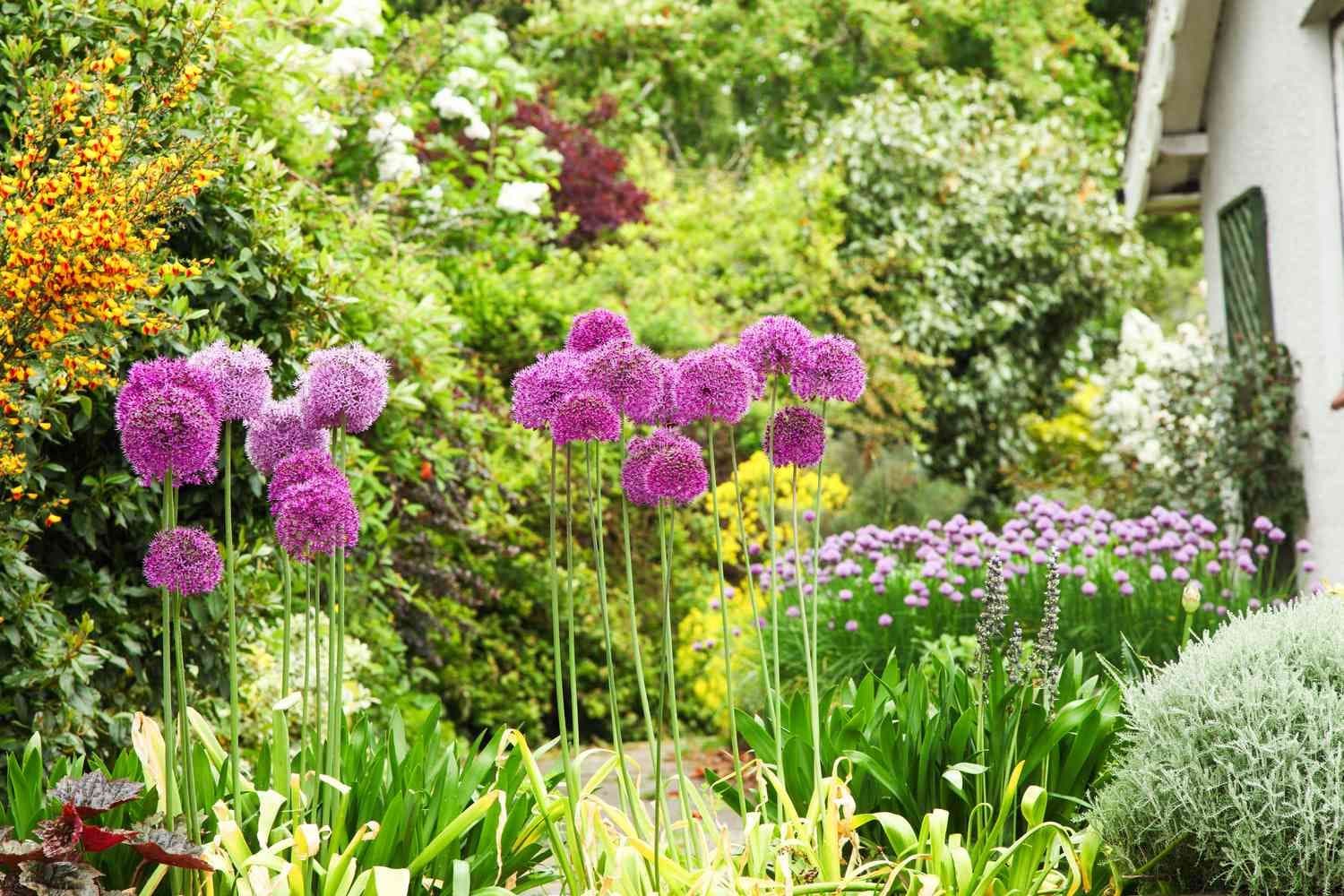
Plants That Repel Bugs – 20 Effective Options

12 min read · 16 Jul 2026

Plants That Repel Bugs – 20 Effective Options

Mosquitoes on the patio? Gnats in the kitchen? Some plants keep them away with the scent of their own leaves. Here are 20 that deal with mosquitoes, flies, aphids, and more, plus where to put them so they help.

Plant Recommendations
Plants That Repel Bugs – 20 Effective Options
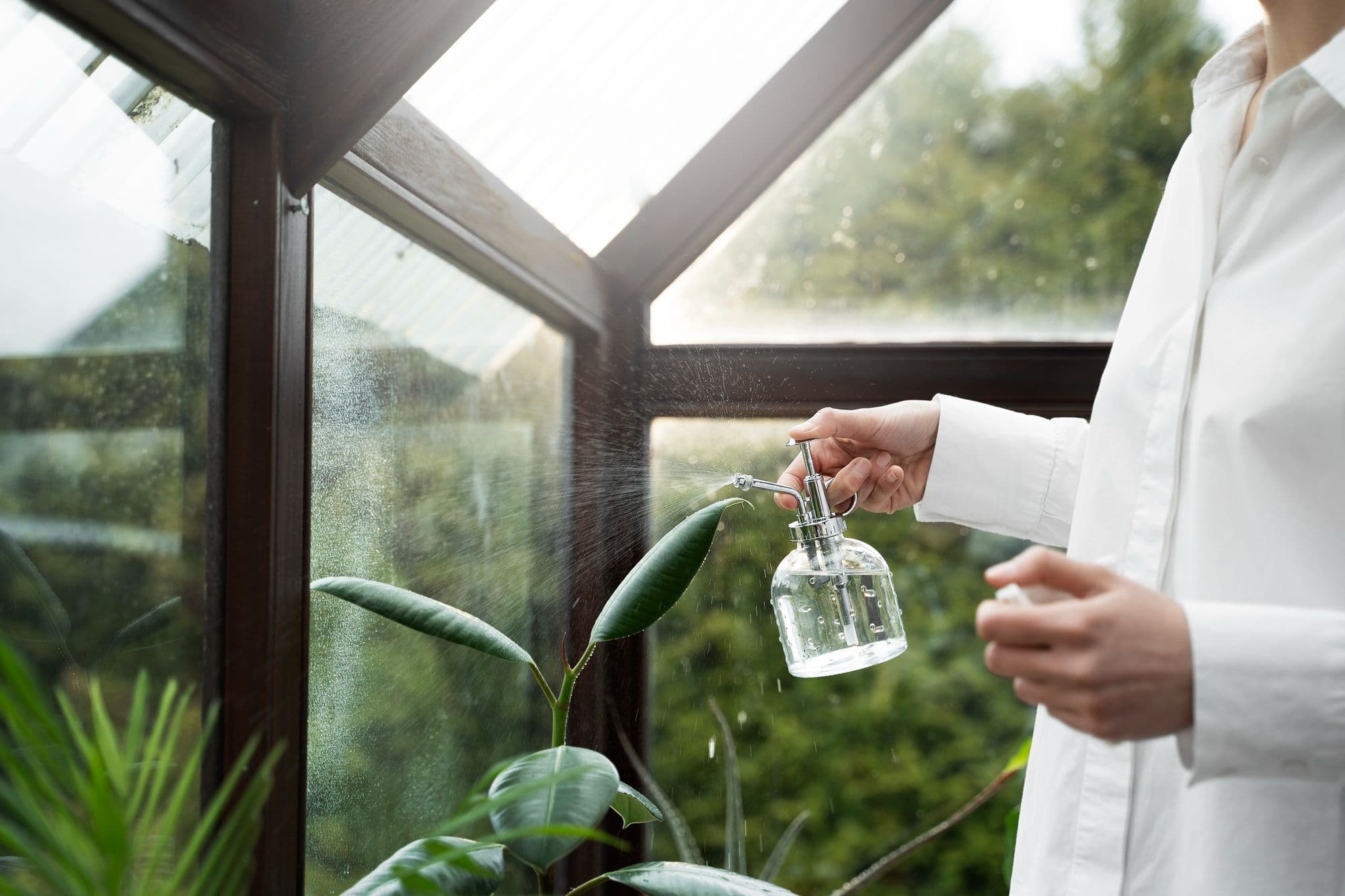
How to Increase Humidity for Plants – 8 Simple Ways That Work

8 min read · 14 Aug 2026

How to Increase Humidity for Plants – 8 Simple Ways That Work

Dry indoor air stresses a lot of houseplants. You usually notice it first in the browning leaf tips. This guide describes 8 simple ways to raise the moisture around your plants, from humidifiers to pebble trays.

Plant Care
How to Increase Humidity for Plants – 8 Simple Ways That Work