rhododendron Care (Rhododendron ponticum)

Also known as: Common Rhododendron, Pontic Rhododendron
rhododendron

About rhododendron

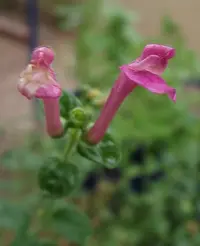
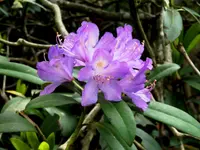
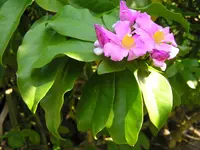
Rhododendron ponticum is an evergreen shrub known for its dense, glossy foliage and showy clusters of funnel-shaped flowers in shades of purple, pink, or white. It often forms thickets and can grow into a large, multi-stemmed shrub in suitable conditions.

This species is native to parts of southern Europe and western Asia but is naturalized in many mild, moist regions, including some areas of the UK and Ireland. It prefers acidic, humus-rich soils, consistent moisture, and dappled or partial shade.

Its vigorous growth, shade tolerance, and adaptability make it relatively easy to establish, though it can become invasive outdoors in some climates. Understanding how to care for rhododendron starts with choosing the right location and maintaining suitable soil conditions.

Main Plant Requirements

Care Difficulty

Moderate Care

Light Preference

Partial Shade

Water Requirements

Keep Soil Moist

Temperature Preference

Cool Climate

Hardiness Zone

6–9

Soil Texture

Loamy, Peaty, Organic-rich

Soil pH

Strongly acidic (4.5–5.5), Acidic (5.5–6.5)

Soil Drainage

Moist but well-drained

Fertilization

Minimal (feed rarely)

Get Personalized Care Plan

Scan your plant to receive care tips personalized for your specific plant

Available on iOS and Android

How to Care for the rhododendron

This species prefers bright but gentle light conditions that protect its foliage and flower buds.

  • Provide 3–5 hours of morning sun with light or dappled shade from late morning onward, especially in summer.
  • Site rhododendron on an east or north-facing exposure, avoiding intense afternoon sun that can scorch leaves and fade flowers.
  • In hotter climates, increase filtered shade in summer; in cooler climates, allow more direct morning sun to support bud set and compact growth.

This shrub needs consistently moist but not saturated soil, with careful attention during dry spells.

  • Water when the top 3–5 cm of soil feels dry, applying a deep soak at the root zone rather than frequent light splashes.
  • Ensure acidic, humus-rich soil with very good drainage; avoid standing water, which encourages root rot and yellowing leaves.
  • In summer drought, check moisture every few days; in cool or rainy seasons, reduce watering and watch for limp, curling leaves as a sign of thirst.

This plant is hardy and tolerates cool climates but still benefits from stable, moderate temperatures.

  • Optimal growth occurs around 55–70°F (13–21°C), with cool springs promoting good bud development and flowering.
  • Established plants often tolerate brief drops to about 5–10°F (-15 to -12°C), but young shrubs need protection from severe freezes and drying winds.
  • Prolonged heat above 85°F (29°C) stresses plants, so provide mulch and afternoon shade, especially during hot, dry spells in summer.

This species prefers moderate, steadily moist air rather than very dry conditions.

  • Aim for 50–70% humidity, especially in hot or windy weather that speeds leaf moisture loss.
  • Tolerates short dry spells but prolonged air below 40% can cause leaf edge browning and curl.
  • Increase humidity with nearby water features, sheltered planting, or grouped shrubs rather than frequent overhead misting.

Rhododendron ponticum needs an acidic, well-aerated, moisture-retentive but free-draining substrate.

  • Use a mix of ericaceous compost, fine pine bark, and coarse perlite or grit to create loose, organic-rich structure.
  • Keep pH around 4.5–6.0; avoid lime, concrete rubble, or tap water high in dissolved minerals that raise pH.
  • Ensure sharp drainage so water moves through within seconds, but add organic matter to hold moisture around fine roots.
  • Avoid heavy clay, compacted ground, or sites that remain waterlogged after rain, which quickly leads to root damage.

This species can be grown in large containers when space or soil conditions are unsuitable for in-ground planting.

  • Choose a wide, heavy container to stabilize the shrub’s spreading, top-heavy canopy in wind.
  • Select thick-walled pots (ceramic, double-walled plastic, or wood) to buffer root temperatures and slow moisture loss.
  • Raise the container on feet or blocks so drainage holes stay clear and excess water exits quickly after rain or irrigation.

This shrub benefits from modest feeding on acidic soils but does not need heavy fertilizer inputs.

  • Use an acid-forming, slow-release fertilizer or compost formulated for rhododendron, applied at half strength.
  • Feed lightly once in early spring and again in late spring while growth is active, avoiding midsummer applications.
  • Keep fertilizer off the stem and foliage, and water thoroughly afterward to prevent root burn.
  • Stop feeding in late summer and avoid nitrogen in winter so new growth can harden before cold weather.

Pruning Rhododendron ponticum is mainly done to maintain size, improve structure, and support flowering.

  • Best time is right after flowering so next year’s flower buds are not removed.
  • Cut out dead, diseased, or crossing branches with clean, sharp hand pruners or loppers.
  • Shorten overly long shoots to shape the shrub and improve light penetration into the canopy.
  • For older, leggy plants, reduce a few main stems gradually over 2–3 years to encourage lower growth.

This species is more often transplanted in the landscape than kept long term in containers.

  • Transplant in early spring or early fall when temperatures are mild and soil is moist but not waterlogged.
  • Look for signs like roots circling the pot, slow growth, or the plant drying out quickly as cues for moving it.
  • Lift with as much root ball as possible, keep roots shaded and moist, and replant at the same depth in acidic soil.
  • Water thoroughly after transplanting, apply 5–8 cm of organic mulch, and reduce stress by avoiding heavy pruning at the same time.

Gardeners commonly use several methods to increase Rhododendron ponticum plants.

  • Take semi-ripe cuttings in late summer, using 7–10 cm shoots with 2–3 leaves, and root them in acidic, moist, well-drained medium.
  • Ground layering in spring or early summer works well; bend a low branch to the soil, wound lightly, pin down, and cover with peat-rich mix.
  • Sow fresh seed in late winter on the surface of sterile, acidic mix and provide bright, indirect light and steady moisture.
  • Maintain high humidity and mild temperatures around 65–75°F for cuttings and seedlings to support rooting and early growth.

This shrub is generally cold hardy in many temperate regions but benefits from some winter preparation.

  • Established plants tolerate moderate frost, but young or container-grown specimens are more vulnerable.
  • Apply 5–8 cm of mulch around the root zone in late fall to stabilize soil temperature and conserve moisture.
  • Shield foliage from drying winter winds with a burlap screen in exposed sites to reduce leaf scorch.
  • Move containers into a sheltered, unheated but frost-free area or heel pots into the ground for insulation.

Care Tips

Mulch Management

Maintain a 5–8 cm layer of pine bark or other acidic organic mulch around the root zone, keeping it 5–10 cm away from stems to conserve moisture, suppress weeds, and keep shallow roots cool.

Root Zone Protection

Avoid digging, walking, or planting under the canopy drip line, as the fine feeder roots sit close to the surface and are easily damaged, which can reduce flowering and stress the plant.

Snow And Wind Support

In exposed sites, loosely tie branches with soft garden twine before heavy snow or storms to prevent limb breakage, and use a windbreak fabric on the windward side of young shrubs for the first 2–3 winters.

Targeted Deadheading

After flowering, snap off spent flower trusses at the base without damaging emerging buds beneath, which directs energy into next year’s flower buds instead of seed production and helps when caring for rhododendron in ornamental borders.

Chlorosis Monitoring

If new leaves turn pale yellow with green veins, test soil pH and apply a chelated iron product formulated for acid-loving shrubs while gradually correcting the pH, rather than adding random household materials.

Common Pests and Diseases

Rhododendron gall

This disease causes swollen, fleshy galls on leaves and young shoots that later turn white, then brown and corky.

Solution

Remove and destroy all galled leaves and shoots as soon as they are seen to reduce spore spread, and avoid overhead watering to keep foliage as dry as possible. Improve air circulation around the shrub by careful pruning and proper spacing from nearby plants.

Leaf spot

This disease produces small brown or purple spots on leaves that can merge into larger blotches, sometimes leading to premature leaf drop.

Solution

Prune out and dispose of heavily spotted leaves and affected twigs, and keep the area under the shrub free of fallen leaves. Avoid wetting the foliage, water at soil level, and if problems persist consider a labeled fungicide applied in cool, dry weather according to rhododendron care instructions.

Vine weevil

This pest causes notched, scalloped edges on leaves from adult feeding, while the white larvae feed on roots and can cause sudden wilting or death.

Solution

Inspect foliage at night and hand-pick adults from leaves and stems, and use beneficial nematodes in moist soil to target larvae around the root zone. Avoid keeping soil overly wet and check container plants regularly, since damage can be more severe in pots.

Azalea lace bug

These insects suck sap from the undersides of leaves, leading to pale, stippled foliage and dark, varnish-like spots of excrement below the leaves.

Solution

Spray the undersides of leaves with a strong jet of water to dislodge nymphs and adults, and encourage natural predators by avoiding broad-spectrum insecticides. For persistent infestations, use an insecticidal soap or horticultural oil, applied thoroughly to leaf undersides in cool, shaded conditions.

Phytophthora root and collar rot

This disease is caused by water-mold pathogens that attack fine roots and the stem base, leading to wilting, poor growth, and eventual plant death, often in poorly drained sites.

Solution

Improve drainage by planting on a slight mound in well-drained, acidic soil and avoid overwatering or standing water around the base. Remove and destroy severely affected plants and do not replant rhododendrons in the same poorly drained spot; use resistant rootstocks or species if the site has a history of Phytophthora problems.

Interesting Facts

Toxic honey source

Nectar from its flowers can produce so-called mad honey containing grayanotoxins, which affect the nervous system and have been documented to cause poisoning in humans and livestock when consumed in quantity.

Evergreen thicket former

In mild, moist climates it forms dense, year-round evergreen thickets that cast deep shade, strongly suppressing germination and growth of many native woodland plants.

Poisonous leaf litter

Its fallen leaves decay slowly and release phenolic compounds and other toxins into the soil, which can inhibit beneficial soil microbes and make establishment of competing vegetation more difficult.

Botan icon

Did you know?

This species is classified as a Schedule 9 invasive plant in parts of the UK, meaning it is illegal to plant or cause it to grow in the wild there due to its severe impacts on native habitats.

FAQs about rhododendron

In many temperate regions, especially parts of the UK and western Europe, this species is highly invasive. It spreads by seed and suckers, forms dense thickets, shades out native plants, and is difficult to remove once established.

Grow Healthy Plants with Botan Care

Keep your plants happy and healthy with plant identification, disease detection, and easy care guidance.

Botan plant care app — identify plants on mobile

Explore More Plants