Chinese-pepper Care (Zanthoxylum simulans)

Also known as: Sichuan Pepper, Chinese Prickly-ash
Chinese-pepper

About Chinese-pepper

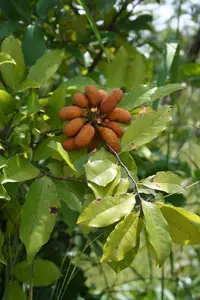
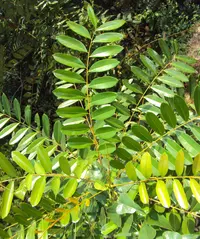
Chinese-pepper (Zanthoxylum simulans) is a small deciduous tree or large shrub grown for its aromatic foliage and distinctive, spiny branches. It is best known as one of the Sichuan pepper sources, producing red seed pods with a citrus-like scent. Native to central and northern China, it adapts to temperate climates and suits both gardens and larger containers. The plant prefers sun to light shade, moderately moist, well-drained soil, and benefits from some protection from extreme cold or drying winds. Understanding these basic needs makes it easier to plan how to care for Chinese-pepper.

Main Plant Requirements

Care Difficulty

Moderate Care

Light Preference

Full Sun

Water Requirements

Moderate Water

Temperature Preference

Cold Hardy

Hardiness Zone

6–9

Soil Texture

Sandy, Loamy, Clay

Soil pH

Acidic (5.5–6.5), Slightly acidic (6.5–7.0)

Soil Drainage

Moist but well-drained

Fertilization

Minimal (feed rarely)

Get Personalized Care Plan

Scan your plant to receive care tips personalized for your specific plant

Available on iOS and Android

How to Care for the Chinese-pepper

This deciduous shrub prefers bright outdoor conditions that balance strong light with some protection.

  • Provide 6–8 hours of direct sun, ideally with morning sun and light afternoon shade, especially in hot summers.
  • Tolerates partial shade (around 3–4 hours sun), but Chinese-pepper may grow more open and produce fewer fruits in low light.
  • In very strong summer sun, use light shade from nearby plants or structures to prevent leaf scorch, while avoiding deep shade that causes weak, leggy growth.

This species prefers evenly moist, freely draining soil that never stays waterlogged for long.

  • Water when the top 3–5 cm of soil feels dry; soil should feel cool and slightly moist below the surface, not soggy.
  • In spring and summer, expect more frequent watering during active growth; reduce frequency in fall and winter as growth and evaporation slow.
  • Overwatering shows as yellowing, soft leaves and dieback, while underwatering causes drooping, crisp leaf edges; improve drainage with sandy or loamy soil for Zanthoxylum simulans.

This hardy shrub tolerates a wide temperature range but grows best in moderate conditions.

  • Optimal growth occurs around 65–80°F (18–27°C), supporting steady shoot and root development during the main growing season.
  • Mature plants survive down to about 0°F (−18°C) once established, but young plants benefit from protection when temperatures approach 20°F (−7°C).
  • Handles summer heat up to about 90–95°F (32–35°C) if soil moisture is stable; mulching helps buffer roots from temperature swings and reduces stress in hot or cold spells.

This species manages well in typical indoor humidity if extremes are avoided.

  • Aim for 40–60% humidity, which suits most homes and keeps foliage from drying at the edges.
  • It tolerates short spells of drier air, but prolonged levels below 35% can cause leaf curl and browning tips.
  • If air is very dry, raise humidity with a nearby water tray or room humidifier rather than misting Chinese-pepper leaves.

This species prefers loose, well-drained, moderately fertile mineral soil for stable growth.

  • Use a loamy mix with 50–60% garden loam or commercial tree mix, 20–30% compost, and 10–20% coarse sand or fine grit for structure.
  • Ensure fast drainage; the soil should drain within a few minutes after watering and never remain waterlogged.
  • Keep pH slightly acidic to neutral, around 6.0–7.0, as Zanthoxylum simulans roots perform poorly in very alkaline conditions.
  • Improve aeration by blending in pine bark fines or perlite, and avoid heavy clay or peat-heavy mixes that compact around the roots.

This species can be grown in containers, especially when young or maintained as a compact patio tree.

  • Choose a deep, wide pot to give the woody root system lateral space, which helps reduce drought stress between waterings.
  • Select a heavy, stable container material like ceramic or thick-walled terracotta to prevent tipping as the canopy becomes top-heavy.
  • Elevate the pot on feet or spacers so drainage holes clear freely, allowing excess water to escape quickly after heavy irrigation or rain.

This hardy tree usually needs only modest feeding in average garden soil.

  • Apply a light layer of compost around the root zone in early spring to support new growth.
  • In poorer soils, use a balanced slow‑release fertilizer (around 10-10-10 NPK) once in spring.
  • For container-grown Chinese-pepper, feed with a half-strength balanced liquid fertilizer every 4–6 weeks in the growing season.
  • Stop feeding in late summer so new growth hardens before winter, and avoid fertilizing during dormancy.

Pruning Zanthoxylum simulans helps maintain structure, airflow, and safe access around its spiny branches.

  • Carry out main pruning in late winter or very early spring before bud break.
  • Remove dead, damaged, rubbing, or inward-growing branches to open the canopy.
  • Thin congested shoots to improve light penetration and reduce disease risk.
  • Use sharp bypass pruners or loppers, making clean cuts just above a bud or branch junction to shape the tree.

This species is more often planted in the ground, so focus on careful transplanting and only occasional repotting of young container plants.

  • Transplant in early spring or early fall when temperatures are mild and soil is workable.
  • Look for slow growth, roots circling the pot, or water running straight through as signs a container plant needs a larger pot every 2–3 years.
  • Move to a container 1–2 in wider with free-draining soil, keeping the root flare at soil level.
  • Water thoroughly after transplanting, shade from intense sun for 3–5 days, and keep soil evenly moist to limit root stress.

New plants are usually raised from seed, with vegetative methods used less often for Z. simulans.

  • Collect ripe seed in late summer to fall, clean off pulp, and sow in a free-draining mix.
  • Provide a cold stratification period of 8–12 weeks at about 35–40°F to break seed dormancy.
  • Keep the seed medium just moist, with good airflow and bright, indirect light during germination.
  • Semi-ripe cuttings taken in early summer can root in warm (70–75°F), humid conditions with a rooting hormone and sterile substrate.

This deciduous species is fairly cold hardy in many temperate regions and usually needs only simple winter care outdoors.

  • Tolerates typical frosts in suitable USDA zones, but young trees benefit from extra protection in the first 1–2 winters.
  • Apply 5–8 cm of mulch around the root zone, keeping it away from the trunk, to moderate soil temperature.
  • For container plants, move pots into a sheltered, unheated but frost-free or slightly protected spot to prevent root damage.

Care Tips

Root sucker management

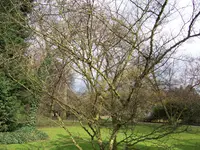
Inspect the base of the plant 2–3 times per year and cut unwanted root suckers cleanly at ground level to prevent dense thickets and keep a single or few main trunks.

Thorn-safe handling

Use thick leather gloves and long sleeves when working around branches, and make structural cuts from the outside of the canopy to avoid reaching blindly into thorns.

Wind-firm training

During the first 2–3 years, stake young trees on windy sites with 2 sturdy stakes and flexible ties, and gradually loosen the ties each season so the trunk strengthens without rubbing damage.

Harvest timing check

Harvest seed pods when they turn red-brown and just begin to split, then air-dry them in a single layer in a shaded, well-ventilated spot to preserve aroma and reduce mold risk.

Cold-season protection

In colder zones, spread a 5–8 cm mulch layer over the root zone in late fall and avoid late-season nitrogen fertilization so new growth hardens off before winter, which is essential for long-term Zanthoxylum simulans care.

Common Pests and Diseases

Citrus bark scale

This pest forms small, hard, dome-shaped bumps along stems and branches that excrete sticky honeydew and can weaken young trees.

Solution

Prune out heavily encrusted twigs, then scrub remaining bark gently with a soft brush and soapy water to dislodge scales. For persistent infestations, use a targeted horticultural oil spray during the crawler stage and repeat as needed, ensuring thorough coverage of bark and branch crotches.

Leaf miners

These insects create winding, pale tunnels inside leaf blades that distort foliage and reduce photosynthetic area.

Solution

Remove and dispose of mined leaves as soon as damage appears to break the life cycle. For young plants or repeated attacks, apply a systemic insecticide labeled for leaf miners or use neem-based products at early infestation, focusing on new growth where eggs are laid.

Citrus red mite

This pest causes fine stippling, bronzing, and a dull appearance on leaves, sometimes with delicate webbing on undersides in dry, warm weather.

Solution

Rinse foliage thoroughly with a strong but gentle stream of water, paying attention to the underside of leaves, and dispose of heavily damaged foliage. If populations stay high, apply a miticide or summer horticultural oil labeled for mites, and reduce plant stress by maintaining even moisture and avoiding excess nitrogen fertilizer.

Bacterial leaf spot

This disease produces small, water-soaked spots that turn dark and may develop a yellow halo, leading to premature leaf drop in humid conditions.

Solution

Remove and destroy affected leaves, avoid overhead watering, and increase spacing and airflow around the plant. In areas with recurring issues, use a copper-based bactericide at the first sign of spotting, rotating products as allowed on the label to limit resistance.

Canker disease

Symptoms include sunken, discolored lesions on stems or branches that may ooze and cause dieback beyond the affected area.

Solution

Prune out infected branches at least 10–15 cm below visible damage, sterilizing tools between cuts with alcohol or a 10% bleach solution. Improve vigor with appropriate watering and balanced fertilization, and avoid mechanical injury to bark, since wounds are primary entry points for canker pathogens.

Interesting Facts

Source of Sichuan pepper

This species is one of the main traditional sources of Sichuan pepper, providing the distinctive numbing and tingling sensation through alkylamides called hydroxy-α-sanshool and related compounds in its husks.

Spiny aromatic branches

The branches and sometimes the trunk carry hard, cone-shaped spines, and when the bark or leaves are crushed they release a strong citrus-like aroma due to essential oils in the tissues.

Cold-hardy spice shrub

Unlike many tropical spice plants, this deciduous shrub or small tree tolerates cold winters and can survive in temperate climates, which has allowed it to be grown outdoors in parts of China, Europe, and North America for spice production.

Botan icon

Did you know?

In traditional Chinese cuisine, the dried seed husks of this species are valued more than the seeds themselves, because the husks contain the highest concentration of numbing aromatic compounds, while the seeds are usually discarded as they are hard, gritty, and relatively low in flavor.

FAQs about Chinese-pepper

Blooming usually improves with plant maturity, full sun, and adequate spring warmth. Excessive pruning of young shoots, heavy nitrogen fertilization, or deep shade often reduces flower bud formation and can delay or prevent flowering for several seasons.

Grow Healthy Plants with Botan Care

Keep your plants happy and healthy with plant identification, disease detection, and easy care guidance.

Botan plant care app — identify plants on mobile

Explore More Plants