Install sturdy supports
Set up strong posts and horizontal wires before planting so canes can be tied in loose bundles, which keeps fruit off the ground and improves air flow for cleaner, drier berries.

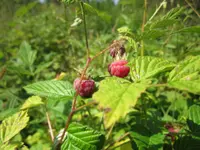
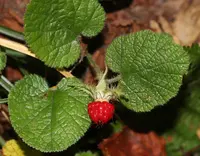
Raspberry, Rubus idaeus, is a woody perennial bramble grown mainly for its sweet, hollow-centered berries. It forms arching or upright canes that emerge from a long-lived root system and spread gradually over time.
In nature it occurs across cooler regions of Europe, Asia, and North America, often along forest edges, clearings, and hedgerows. The plant prefers sun to light shade, moist but well-drained soil, and good air movement.
Raspberry is generally considered straightforward to grow if it has enough light, consistent moisture, and support or space for its canes. Understanding how to care for Raspberry makes it easier to maintain healthy plants and reliable harvests.

Care Difficulty
Moderate Care

Light Preference
Full Sun

Water Requirements
Regular Water

Temperature Preference
Cold Hardy

Hardiness Zone
3–8

Soil Texture
Loamy, Sandy, Organic-rich

Soil pH
Acidic (5.5–6.5), Slightly acidic (6.5–7.0)

Soil Drainage
Moist but well-drained

Fertilization
Light (every 4–6 weeks)
Scan your plant to receive care tips personalized for your specific plant
Available on iOS and Android
Rubus idaeus performs best with strong, direct light for reliable flowering and fruiting.
Rubus idaeus prefers evenly moist, well‑drained soil rather than frequent shallow watering.
This species is a cool-temperate shrub that tolerates winter chill yet dislikes prolonged extreme heat.
Humidity plays a minor role for Rubus idaeus, which adapts well to typical outdoor levels.
Rubus idaeus prefers deep, loose, moist but well-drained soil that supports extensive root and cane growth.
This species can grow successfully in containers when given enough root depth and stable moisture.
This shrub fruits best with modest, targeted feeding during the active growing season.
Thoughtful pruning keeps Rubus idaeus productive, healthy, and easy to manage.
Raspberry is usually grown in the ground, but container plants or young stands benefit from periodic transplanting to maintain vigor.
New plantings of this species are commonly created from vegetative methods that keep fruit quality consistent.
This shrub is generally hardy in temperate climates but benefits from simple winter care, especially in colder or exposed sites.

Plant Health Check
Not sure what's wrong with your plant? Check your plant's health inside the app.
European red raspberry forms perennial root systems but its canes are biennial: first-year primocanes grow vegetatively, then second-year floricanes bear flowers and fruit before dying back, a pattern that strongly shapes pruning strategies.
Although many insects visit its flowers, rubus idaeus is especially attractive to certain wild bees such as Andrena and Bombus species, which efficiently buzz-pollinate the flowers and can significantly increase drupelet set and fruit quality.
In its native range, this raspberry quickly colonizes forest clearings, landslides, and post-fire sites, stabilizing soil, shading the ground, and providing early food resources for birds and mammals during ecological succession.

Modern cultivated raspberries used for fresh fruit and commercial production largely descend from rubus idaeus selections and hybrids made in Europe from the 18th century onward, and it remains a primary genetic source for breeding new cultivars with improved flavor, firmness, and disease resistance.
Yellowing leaves usually result from nutrient deficiencies, water stress, or poor drainage. Nitrogen or iron shortage, compacted or waterlogged soil, and root damage are common triggers. Test soil, improve drainage, and adjust fertilization rather than guessing.
Keep your plants happy and healthy with plant identification, disease detection, and easy care guidance.