



Raspberry (Rubus idaeus) Light Needs

Raspberry grows best in full sun, with at least 6 hours of direct sunlight on most days.

Light Preference

Full Sun

Rubus idaeus Light Requirements

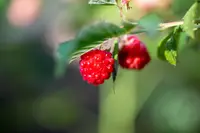
In natural habitats, Raspberry grows where shrubs receive strong seasonal light, such as woodland edges, clearings, hedgerows, and disturbed open ground. Canes can tolerate some partial shade, especially in cooler sites, but flowering and fruiting are strongest where light is direct for much of the day. Cultivated plants follow the same pattern: brighter exposure supports sturdier canes and better cropping. Preferred light is full sun.

  • Ideal exposure:

    Raspberry needs about 6–8 hours of full sun daily, with at least 6 hours of direct sun for best flowering and fruiting.

  • Direct sun tolerance:

    Established outdoor plants tolerate full-day sun when soil and air movement are reasonable, but sudden heat and reflected afternoon sun can scorch leaves.

  • Partial sun limit:

    About 4–6 hours of direct sun is tolerated, though canes may stretch and produce fewer flowers.

  • Afternoon heat:

    In very hot sites, morning sun with light afternoon protection is safer than intense late-day exposure.

Strong sun is usually tolerated, but heat and sudden exposure can cause stress.

Bleached leaf patches:

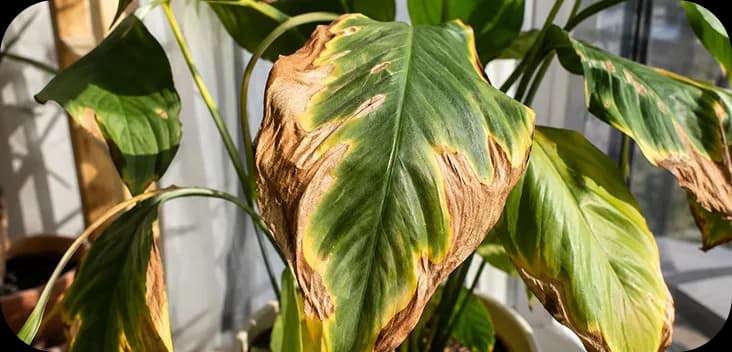
Pale tan or whitish areas on the sun-facing side of leaves often follow abrupt exposure to harsher sun.

Crisp scorch spots:

Dry brown patches may appear on exposed leaflets where afternoon rays and reflected heat are strongest.

Pale fruit cells:

Developing berries can show whitish drupelets after intense sun and heat, especially on outer clusters.

Midday flagging:

Leaves may fold or hang during hot, bright afternoons, then look better as temperatures drop.

Move container-grown plants out of reflected heat, or add light afternoon shade during heat waves. Increase exposure gradually after cloudy weather or relocation.

Too little light usually shows as weak growth during the active season.

  • Long, soft canes:

    New canes may stretch toward the brightest side and need more support than well-lit growth.

  • Wide leaf spacing:

    Leaves can form farther apart along the cane, giving growth a thin, open look.

  • Few flowers:

    Shaded plants often set fewer flower clusters, which limits fruit production later in the season.

  • Small new growth:

    New leaves and laterals may stay smaller when light is not strong enough to fuel growth.

Move the plant to a site with more direct sun, aiming for a gradual increase over several days. Avoid treating deep shade as a suitable permanent location.

If full-day sun is not available, choose the brightest outdoor spot that gives 4–6 hours of direct morning or midday sun. Treat that as a compromise, not an ideal fruiting site.

Remove or reposition nearby shade sources where possible, and keep canes trained so light reaches the full row or container.

Deep shade beside fences or buildings is unsuitable because it reduces flowering and weakens cane growth.

Get Personalized Care Plan

Scan your plant to receive care tips personalized for your specific plant

FAQ

Raspberry light requirements are full sun, ideally about 6–8 hours of direct sun per day. Partial sun is tolerated, but flowering and fruiting are usually reduced.

More Plant Light Guides

Get the Botan App

Discover how to care for your plants with Botan.

Botan app identifying a plant with a phone camera
13 Best Front Yard Trees for Every Home and Yard

12 min read · 7 Aug 2026

13 Best Front Yard Trees for Every Home and Yard

A front yard tree can stay for decades. Therefore, choosing one deserves serious consideration. Here are 13 trees that have proven themselves, sorted by their purpose. You'll also find five species to avoid and basic planting information.

Plant Recommendations
13 Best Front Yard Trees for Every Home and Yard
How to Winterize Your Garden in 6 Steps

5 min read · 28 Sept 2026

How to Winterize Your Garden in 6 Steps

Learn how to prepare your garden for winter with a practical six-step checklist covering cleanup, tender plant care, watering, mulching, winter protection, and winterizing equipment and containers.

Plant Care
How to Winterize Your Garden in 6 Steps
How Fast Does Bamboo Grow Per Day, Month, and Year

10 min read · 7 Jul 2026

How Fast Does Bamboo Grow Per Day, Month, and Year

Bamboo grows extremely fast: some species can reach 5-6 m in just 3-4 months under the right conditions. This guide explains how much bamboo can grow per day, week, and year, and what affects its growth rate.

Plant Recommendations
How Fast Does Bamboo Grow Per Day, Month, and Year