

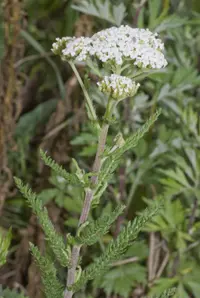

dill (Anethum graveolens) Light Needs

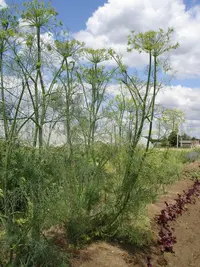
dill grows best in full sun, with long, bright exposure and several hours of direct sunlight each day.

Light Preference

Full Sun

Anethum graveolens Light Requirements

In its native range around the Mediterranean region and western Asia, dill is associated with open, sunny sites, field edges, and disturbed ground where taller plants do not cast dense shade. It is adapted to bright seasonal conditions rather than forest shade.

In cultivation, this background explains why growth is strongest with long exposure and direct sun. Preferred light is full sun.

  • Ideal exposure:

    Anethum graveolens needs about 6–8 hours of full sun daily, with at least 6 hours as direct sunlight when possible.

  • Full sun tolerance:

    Established plants usually handle direct sun well when heat and reflected surfaces are not extreme.

  • Partial sun limit:

    Partial sun is tolerated, but growth may be thinner and flowering can be reduced.

  • Shade risk:

    Shade is unsuitable because stems stretch and the plant becomes weak.

  • Morning advantage:

    Morning sun is useful in hot climates because it gives strong light before peak afternoon heat.

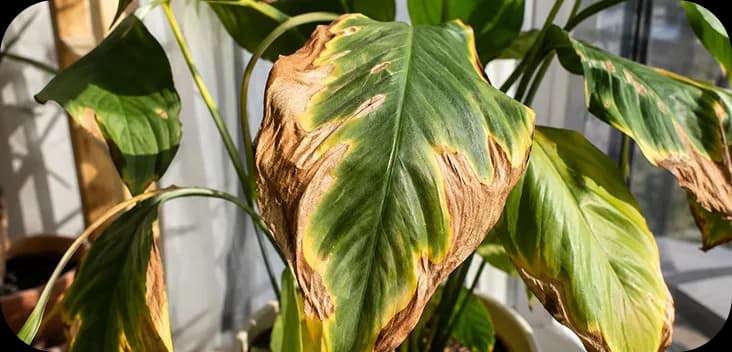
Strong sun is usually tolerated, but harsh exposure can cause stress after a sudden move or during very hot weather.

Bleached leaflets:

Fine foliage may look pale, silvery, or washed out on the side facing the strongest sun.

Crisp tips:

Exposed leaflet tips can turn dry and tan where afternoon rays hit most directly.

Midday collapse:

Stems may flag during peak heat, then recover later, which suggests sun and heat are exceeding the plant’s comfort.

Early flowering:

Intense summer exposure can push faster flowering, especially when plants are small or recently transplanted.

Move the plant to a site with morning sun and lighter afternoon exposure. If it was grown in lower light, increase direct sun over several days.

Low light is a common cause of weak, floppy growth. This species is not suited to shade.

  • Stretched stems:

    Stems become tall and thin instead of compact, especially when reaching toward the light.

  • Wide spacing:

    New leaf sections may be spaced farther apart, giving the plant a loose, open shape.

  • Leaning growth:

    Growth may angle strongly toward the brightest side rather than staying upright.

  • Weak new growth:

    New foliage can remain smaller, and the plant may delay flowering in active growth.

Move it to the sunniest available outdoor position with direct light for most of the day. Avoid locations shaded by walls, fences, or dense overhead cover.

If full-day sun is not available, choose the spot that gets the longest direct morning and midday sun. Treat afternoon-only sun as a backup in hot areas because it can be harsher.

Trim back nearby growth or move containers away from fences that cast shade. Rotate containers every few days if stems lean toward the brighter side.

A shaded porch, deep overhang, or tree-covered bed is unsuitable because it cannot meet Anethum graveolens light needs.

Get Personalized Care Plan

Scan your plant to receive care tips personalized for your specific plant

FAQ

This plant grows best in full sun, with strong outdoor light for most of the day. The best light for dill is open exposure rather than shade.

More Plant Light Guides

Get the Botan App

Discover how to care for your plants with Botan.

Botan app identifying a plant with a phone camera
Plants That Repel Bugs – 20 Effective Options

12 min read · 16 Jul 2026

Plants That Repel Bugs – 20 Effective Options

Mosquitoes on the patio? Gnats in the kitchen? Some plants keep them away with the scent of their own leaves. Here are 20 that deal with mosquitoes, flies, aphids, and more, plus where to put them so they help.

Plant Recommendations
Plants That Repel Bugs – 20 Effective Options
Thorny Plants: A Comprehensive Guide

10 min read · 25 Aug 2026

Thorny Plants: A Comprehensive Guide

Many plants defend themselves with sharp thorns. This guide explores over 20 examples among flowers, shrubs, trees, and vines. You'll learn what each plant looks like, why it grows thorns, and how to quickly identify them.

Plant Recommendations
Thorny Plants: A Comprehensive Guide
Plant Pot Sizes: How to Choose the Right Plant Container

7 min read · 20 Aug 2026

Plant Pot Sizes: How to Choose the Right Plant Container

Plant pot sizes can be confusing because the number on the label only tells you part of the required information. A container may look spacious but actually be too shallow. So, how to choose pot size for plant species?

Beginner Guides
Plant Pot Sizes: How to Choose the Right Plant Container