



Best Soil for dill (Anethum graveolens)

Loose, moisture-retentive but well-drained soil helps Anethum graveolens develop healthy roots and steady top growth.

Soil Texture

Sandy, Loamy, Organic-rich

Soil pH

Acidic (5.5–6.5), Slightly acidic (6.5–7.0)

Soil Drainage

Moist but well-drained

Anethum graveolens Soil Guide

Native to western Asia and the Mediterranean region, Anethum graveolens grows best in soil that reflects those open, sun-exposed conditions. It prefers a light, loose root zone that stays evenly moist but drains well, rather than dense soil that holds excess water around the roots.

Because dill forms a slender taproot, good aeration matters as much as moisture. Sandy or loamy soil with some organic richness supports steady growth without becoming heavy. The best soil for dill holds enough moisture for quick leaf production while still letting air move through the root zone.

A simple homemade mix can give Anethum graveolens the balance of airflow and moisture control it needs in a container.

100% total mix = 20 scoops
15%
perlite or pumice3 scoops
20%
compost or well-aged organic matter4 scoops
25%
coarse sand5 scoops
40%
high-quality potting soil8 scoops

The finished blend should feel crumbly and light, hold some moisture between particles, and let excess water move through without staying heavy.

A good target for dill is slightly acidic to near neutral soil, around 6.0–7.0 pH. This range keeps key nutrients such as nitrogen, phosphorus, and micronutrients available without making uptake harder.

Anethum graveolens can handle a modest pH swing within that zone, but soil that is far outside it may limit nutrient access even when the soil is otherwise in decent condition.

Most soil-related setbacks come from root stress rather than a single dramatic failure. Dill can be somewhat sensitive to disturbance once established, so early checks help.

Compaction:

Compaction: Soil that feels dense or crusted can restrict root movement and air flow, so gently loosen the surface and review whether the mix has become too fine.

Poor drainage:

Poor drainage: If the container stays heavy for long periods or the surface remains wet, check drainage holes and move the plant into a faster-draining setup if needed.

Nutrient-depleted soil:

Nutrient-depleted soil: Weak growth in older potting media may point to worn-out structure and low nutrient availability, so refresh part or all of the mix.

Salt buildup:

Salt buildup: A pale crust on the soil surface can come from minerals accumulating over time, so scrape off the top layer and flush thoroughly when conditions allow.

Get the Soil Right

Botan helps match this plant to a suitable soil setup, so choosing texture and drainage feels clearer from the start.

FAQ

Yes. This species forms a taproot, so a deeper container supports straighter root growth and more even moisture below the surface. Shallow pots dry faster and can limit development in otherwise suitable dill soil.

More Plant Soil Guides

Could It Be the Soil?

Soil may be part of the issue. Botan’s photo-based assessment can help you decide whether the growing medium is worth a closer look.

Botan app helping with soil and plant care
15 Best Scary Halloween Plants and Fungi for a Spooky Garden

8 min read · 9 Oct 2026

15 Best Scary Halloween Plants and Fungi for a Spooky Garden

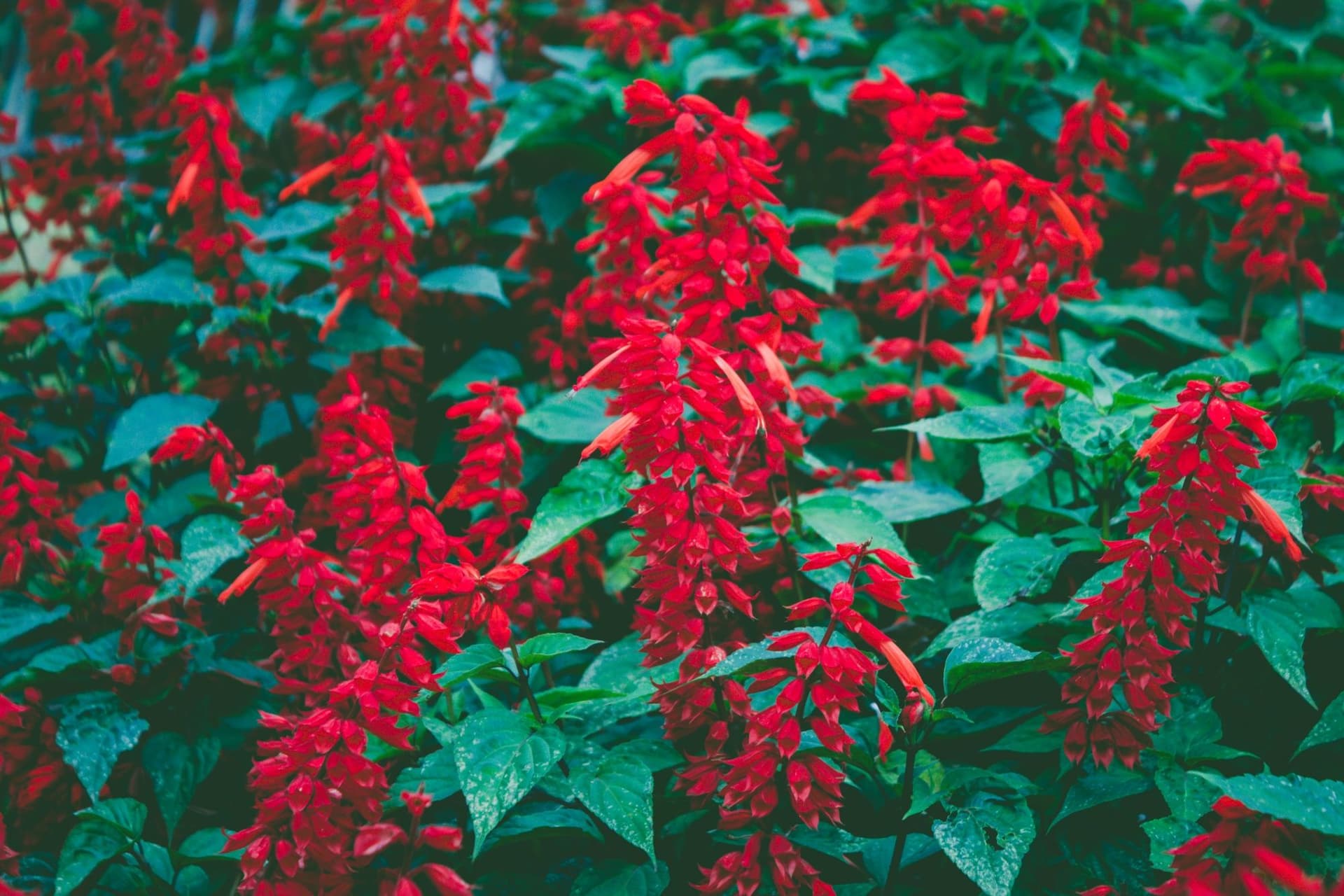
Want a garden that looks eerie in October? Here are 15 Halloween plants and fungi, from carnivorous traps to bleeding mushrooms. For each species, we cover its appearance, care requirements, and potential uses in your landscape.

Plant Recommendations
15 Best Scary Halloween Plants and Fungi for a Spooky Garden
20 Funny Plant Names That Make You Laugh

8 min read · 16 Oct 2026

20 Funny Plant Names That Make You Laugh

Some plants carry names that sound like jokes. This guide explains the origins of 20 funny plant names. You will also see which of these plants you can grow at home.

Plant Recommendations
20 Funny Plant Names That Make You Laugh
How to Tell if a Plant Is Dead

6 min read · 19 Aug 2026

How to Tell if a Plant Is Dead

A plant can lose its leaves, stop growing, or collapse and still remain alive. A closer look at the stems, roots, bulbs, and tubers can show whether the plant still has a chance to recover.

Beginner Guides
How to Tell if a Plant Is Dead