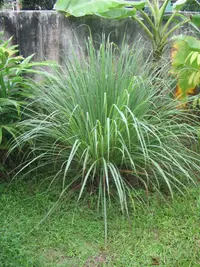
Prefers Even Moisture
Anethum graveolens performs best in consistently moist but not waterlogged soil, reflecting its frequent cultivation in well‑watered kitchen gardens rather than in very dry field margins.

This page explains when, how often, and how much to water Anethum graveolens for steady, healthy growth.

Water Requirements
Regular Water
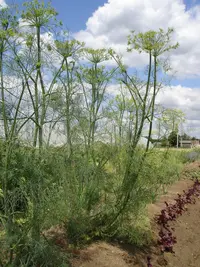
Native to regions with light, periodic rainfall, dill thrives in soil that never stays waterlogged but does not parch completely. Anethum graveolens prefers slight, even moisture that supports steady leafy growth without soggy conditions.
For watering dill, aim for a simple routine that keeps the root zone gently moist between natural drying cycles. In garden beds this usually means relying more on rainfall, while containers need somewhat closer monitoring to prevent swings between dryness and saturation.
Allow the top 1–2 inches (3–5 cm) of soil to dry before watering again, keeping the root zone lightly moist but not soggy. Garden-grown Anethum graveolens typically needs water every few days in hot, dry weather, but containers and very sunny spots often require more frequent checks and slightly shorter intervals.
Water dill when the top 1–2 inches (3–5 cm) of soil feel dry, using slow, even moisture around the base.
Incorrect moisture levels can quickly stress Anethum graveolens and reduce overall plant vigor.
Older leaves turn pale then yellow when roots sit in soggy, poorly drained or compacted soil.
Fine leaves droop and curl when shallow roots dry quickly under strong sun and hot wind.
Thin, stretched stems with sparse foliage often follow alternating overwatering and underwatering in containers.
Delicate leaf ends crisp and brown when soil repeatedly dries out completely between waterings.
Keep soil lightly moist with good drainage, avoiding both waterlogged conditions and bone-dry periods.
Unsuitable watering habits weaken Anethum graveolens by stressing its fine roots, reducing growth, aroma, and usable foliage over time.
Aim for evenly moist but not saturated soil, guided by touch and drainage, so dill develops shallow yet efficient feeder roots.
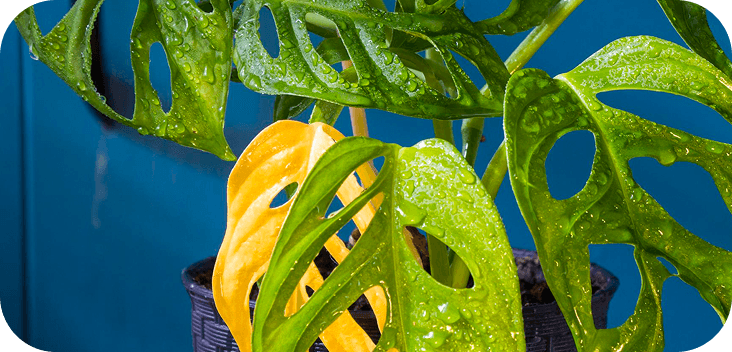
Is It Time to Water?
See whether your plant is ready for watering or needs more time to dry.
Botan builds a simple watering guide and care routine tailored to your dill (Anethum graveolens), and can also help spot potential issues early through gentle photo-based checks.

Anethum graveolens performs best in consistently moist but not waterlogged soil, reflecting its frequent cultivation in well‑watered kitchen gardens rather than in very dry field margins.
With its relatively shallow root system, Anethum graveolens is sensitive to drying out in the top few inches of soil, so irregular deep‑drying cycles tend to reduce leaf quality and speed up bolting.
Anethum graveolens is prone to root rot and damping‑off in saturated or compacted soils, which is why traditional cultivation favors well‑drained beds or raised rows, especially in cooler, wet climates.
Wilting in very wet soil usually means roots lack oxygen or have started to rot. Improve drainage, loosen compacted mix, and let the top 1–2 inches dry before the next watering to prevent further stress.
Use Botan to review watering patterns and keep hydration closer to ideal.

6 min read · 15 Sept 2026
Plants can grow under artificial light when the setup provides a suitable spectrum, enough intensity, and sufficient daily exposure. This guide explains how artificial lighting compares with sunlight, which options work indoors, and how to match a setup to houseplants.
8 min read · 14 Jul 2026
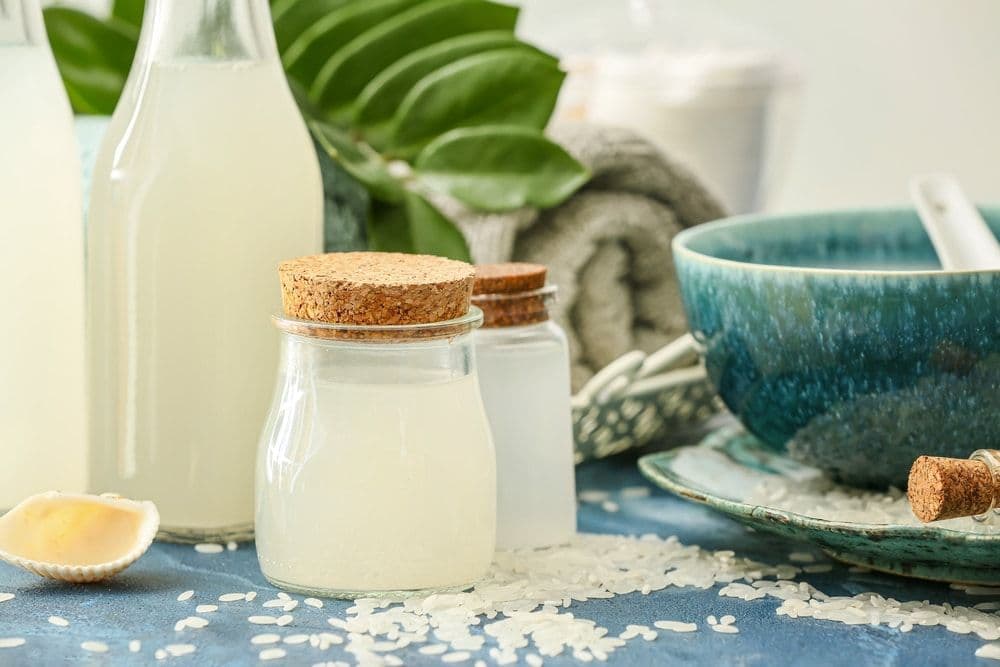
Rice water can be an ideal DIY solution for orchids, roses, or fruiting plants. It supports growth, leaf count, and height. We’ll share how to make and apply it correctly for your plant.
4 min read · 14 Sept 2026
Sugar water may sound like an easy boost, but most rooted plants do not need extra sucrose. This guide explains how green tissues produce carbohydrates, when a sweetened solution can be useful, and why too much can cause problems.