Moist Riparian Origins
Mentha spicata commonly occurs along European and western Asian stream banks, ditches, and other damp ground, reflecting a natural preference for consistently moist but aerated soils rather than dry or waterlogged sites.

This page explains when, how often, and how much to water Mentha spicata for steady, healthy growth.

Water Requirements
Keep Soil Moist
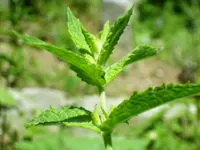
In garden beds, spearmint appreciates steady moisture that reflects its preference for damp, temperate habitats. Mentha spicata generally grows best with soil that stays lightly moist rather than drying out completely.
A basic approach to watering spearmint is to maintain even moisture while avoiding long soggy periods. Outdoor plants usually need more frequent attention than established in-ground clumps, while containers respond faster to both drying and replenishing.
Let the top 1–2 inches (3–5 cm) of soil dry before watering again; the mix should feel barely dry, not dusty. This usually means watering about every 3–5 days in warm, bright conditions, though cooler rooms or lower light can extend the interval noticeably.
Water spearmint when the top 1 inch (2–3 cm) of soil feels dry, keeping moisture even but not soggy.
Incorrect moisture levels can stress Mentha spicata and trigger several avoidable growth problems.
Older leaves turn pale and drop early when roots sit in persistently waterlogged soil.
Stems flop and foliage softens while potting mix feels wet from chronic overwatering and poor drainage.
Leaf margins dry, crisp, and brown when shallow watering leaves deeper roots repeatedly underhydrated.
New shoots emerge small and light green when inconsistent watering restricts nutrient uptake from the soil.
Keep soil evenly moist with good drainage, avoiding both soggy conditions and deep, repeated dryness.
Unsuitable watering habits can leave Mentha spicata stressed, weakening growth and flavor even though this herb normally grows vigorously.
Healthy spearmint watering relies on responsive habits, using well-drained soil and containers that let excess moisture escape between thorough soakings.
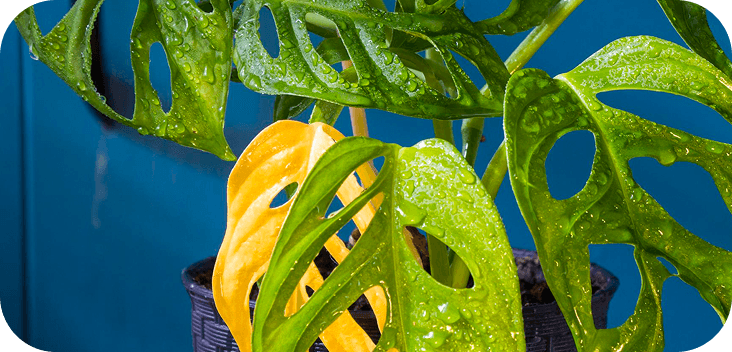
Is It Time to Water?
See whether your plant is ready for watering or needs more time to dry.
Use Botan for a simple Mentha spicata watering guide and step-by-step care reminders. The app can also review plant photos to help notice early signs of stress or disease.
Mentha spicata commonly occurs along European and western Asian stream banks, ditches, and other damp ground, reflecting a natural preference for consistently moist but aerated soils rather than dry or waterlogged sites.
This species develops a dense, shallow root and stolon network near the soil surface, which exploits frequent light moisture in its native habitats and makes it sensitive to drying out in the top few inches of soil.
Yes. Standing water keeps roots oxygen-poor and encourages rot and fungus gnats. After watering, empty the saucer within 10–15 minutes so the soil can drain and re-aerate properly.
Use Botan to review watering habits and keep soil moisture on track.

6 min read · 8 Sept 2026
Frozen and fresh vegetables are nutritionally comparable: frozen produce often retains vitamins just as well as fresh and may sometimes contain more. Here’s how blanching and storage affect nutrients—and when to choose each.
5 min read · 28 Sept 2026
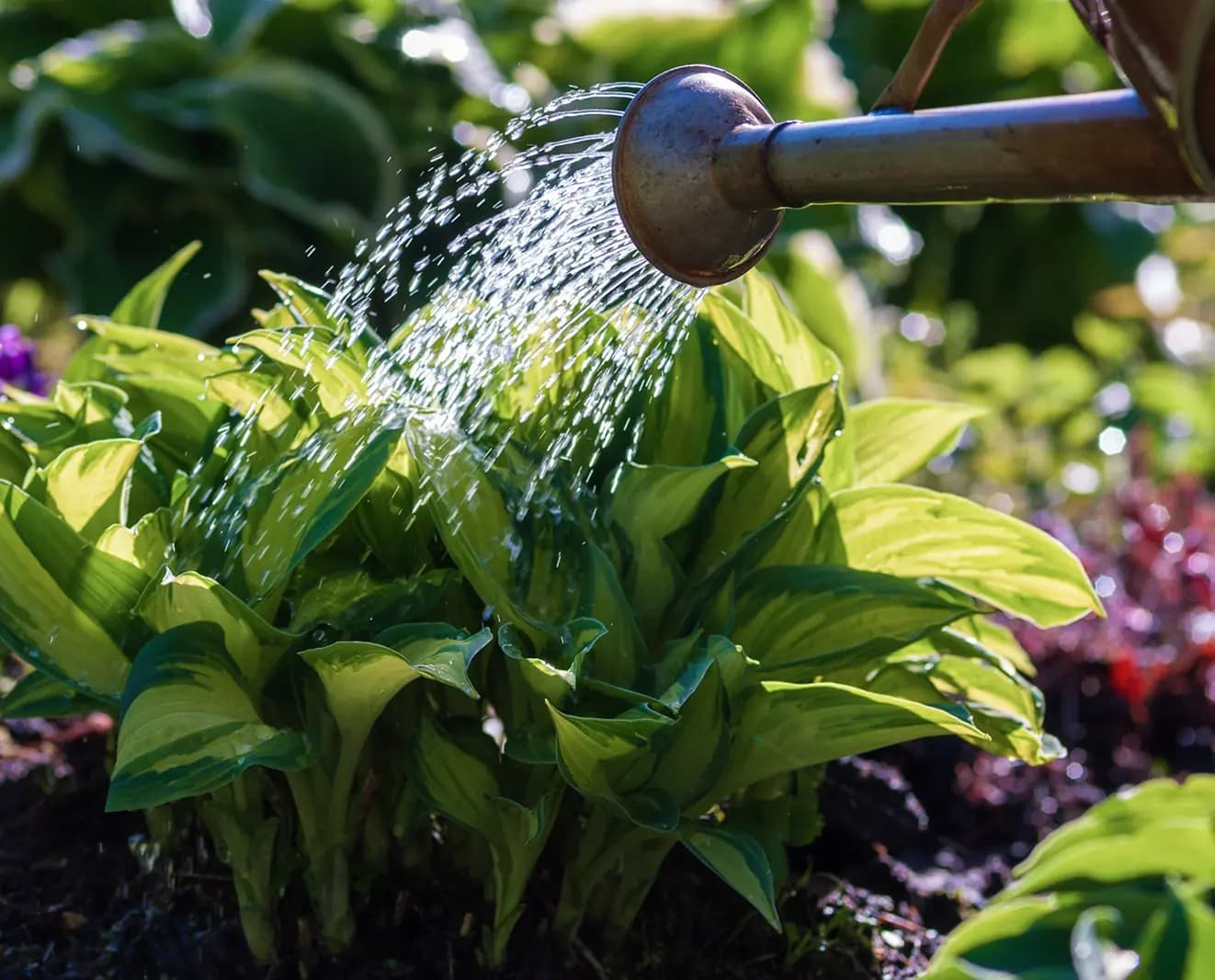
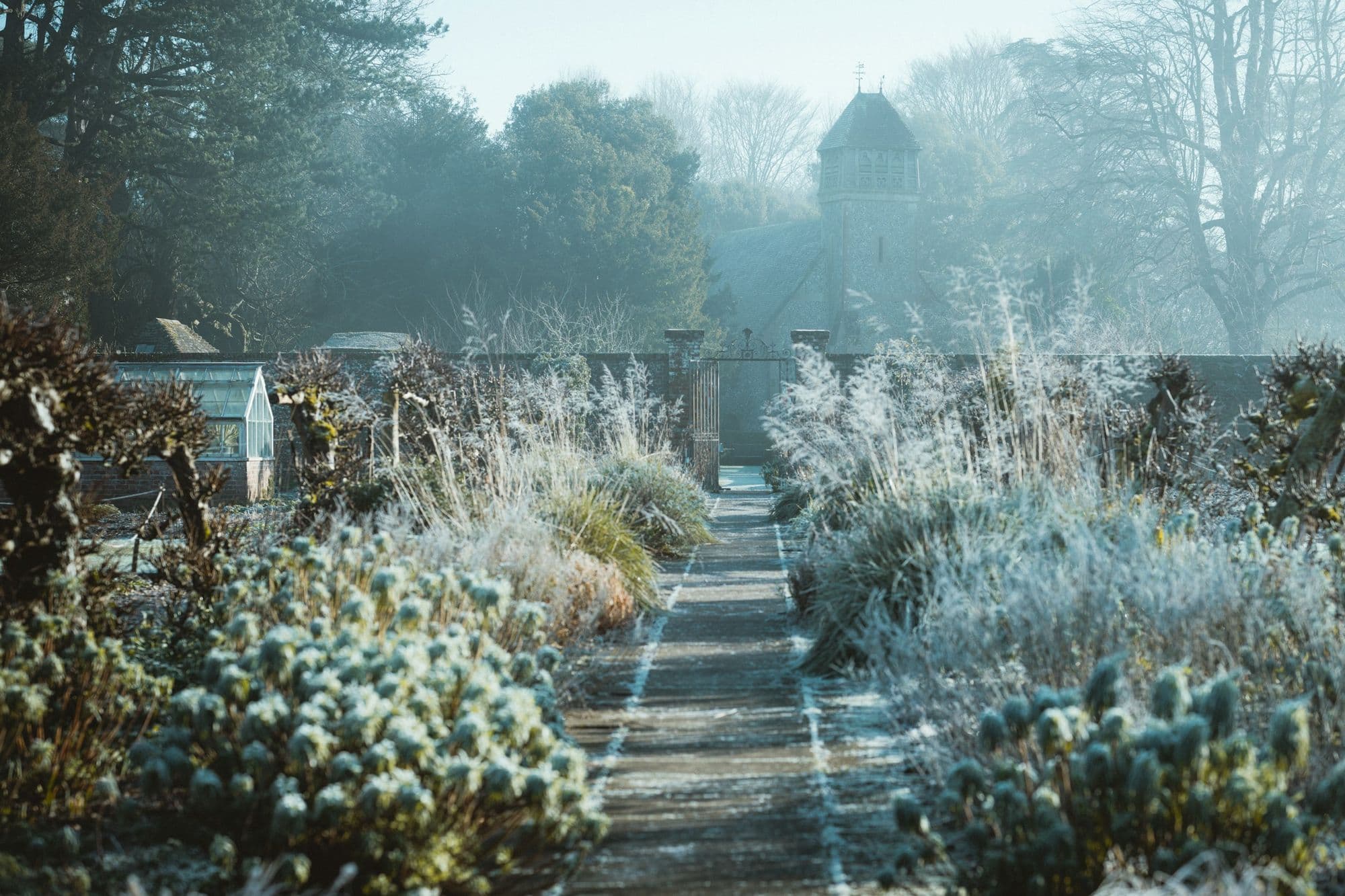
Learn how to prepare your garden for winter with a practical six-step checklist covering cleanup, tender plant care, watering, mulching, winter protection, and winterizing equipment and containers.
6 min read · 19 Aug 2026
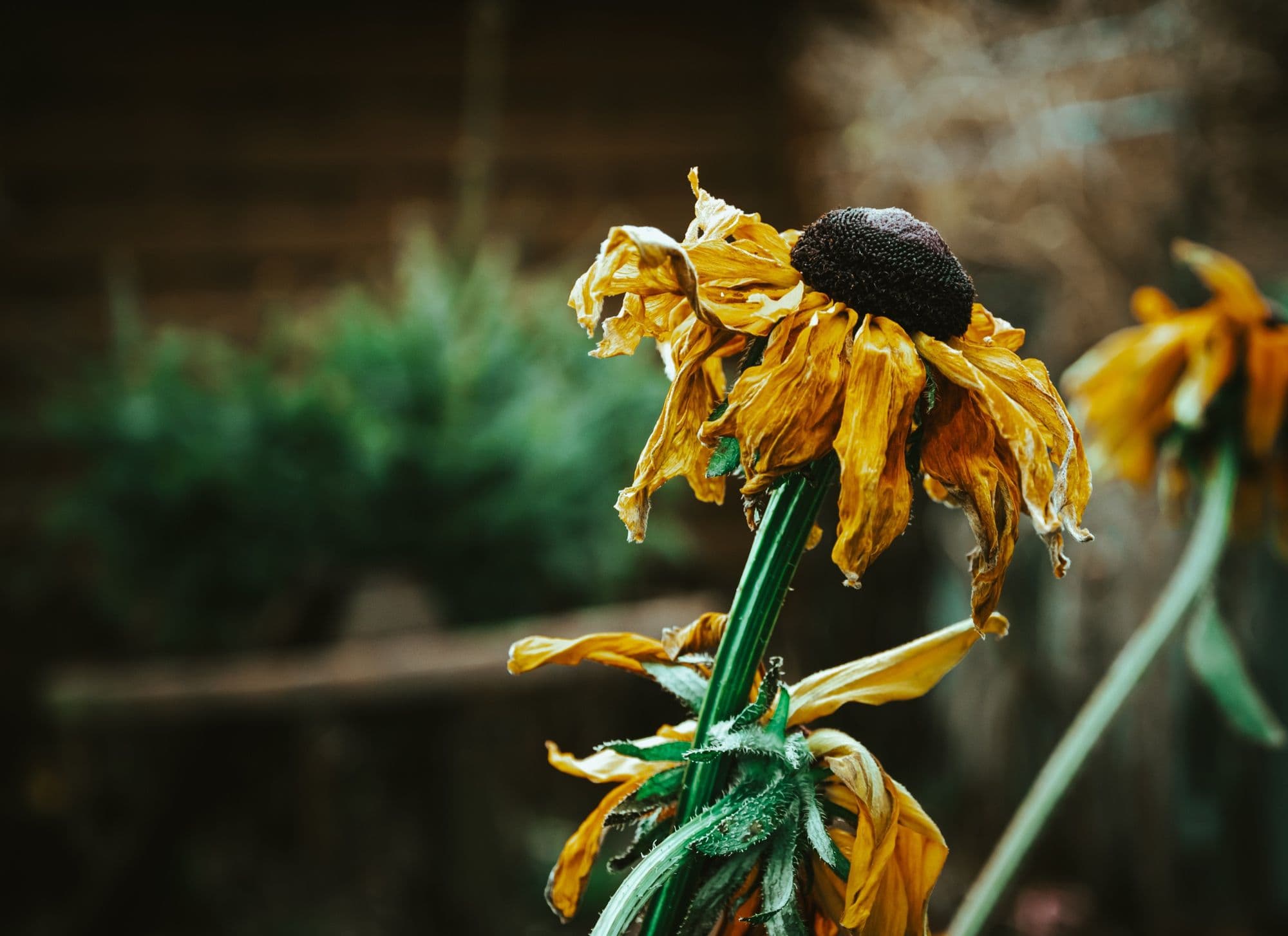
A plant can lose its leaves, stop growing, or collapse and still remain alive. A closer look at the stems, roots, bulbs, and tubers can show whether the plant still has a chance to recover.