Thrives In Poor Soils
Garden nasturtium often performs best with relatively lean, well-drained soil and moderate watering; rich, constantly moist soil pushes leafy growth at the expense of flowers and can make plants more prone to rot and aphids.

This page explains when, how often, and how much to water Tropaeolum majus to support steady, healthy growth.

Water Requirements
Moderate Water
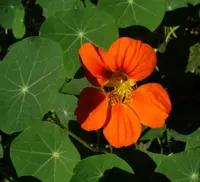
Garden-grown nasturtium prefers light, regular moisture, reflecting its origins in seasonally moist, well-drained areas. Tropaeolum majus copes with brief dryness but declines in persistently soggy soil. For watering nasturtium, think moderate, steady supply rather than heavy, infrequent soaking.
Outdoors, focus on even soil moisture that never stays saturated. In containers, moisture changes faster, so monitor conditions more closely between waterings.
Let the top 1–2 inches (3–5 cm) of soil dry out before watering again, whether Tropaeolum majus grows in pots or garden beds. In warm, sunny summer conditions, this usually means watering about every few days, while cooler weather or partial shade extends the interval between waterings.
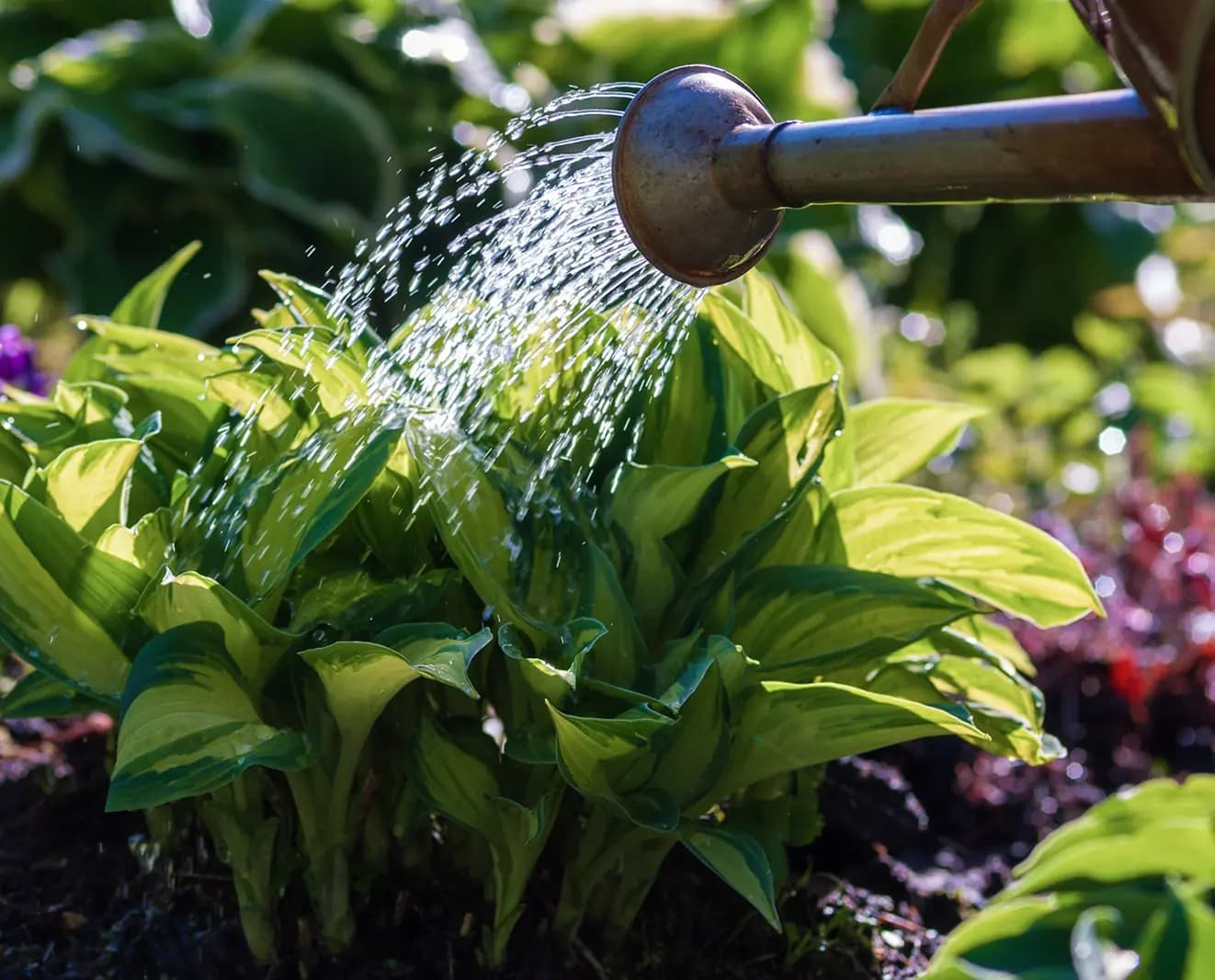
Water nasturtium when the top 1-2 inches (3-5 cm) of soil feel dry, using a slow, even soak.
Incorrect moisture around Tropaeolum majus often disrupts growth and vigor, stressing leaves, roots, and flowers.
Older leaves fade to pale yellow when soil stays wet for prolonged periods, reducing root oxygen.
Plants collapse midday in full sun when shallow roots cannot access consistent surface moisture.
Lush foliage with few blooms signals overly moist, nutrient-rich soil promoting leaves instead of buds.
Roots darken and soften in containers without drainage, where excess water lingers around the root zone.
Let soil dry slightly between waterings, favoring light, quick drainage over constant saturation or deep drought.
Unsuitable watering habits can stress Tropaeolum majus, making nasturtium less floriferous and more vulnerable to pests, heat, and sudden weather shifts.
For nasturtium, aim for fast-draining soil, containers that shed extra water, and irrigation adjusted to current weather and soil dryness.

Watering Check
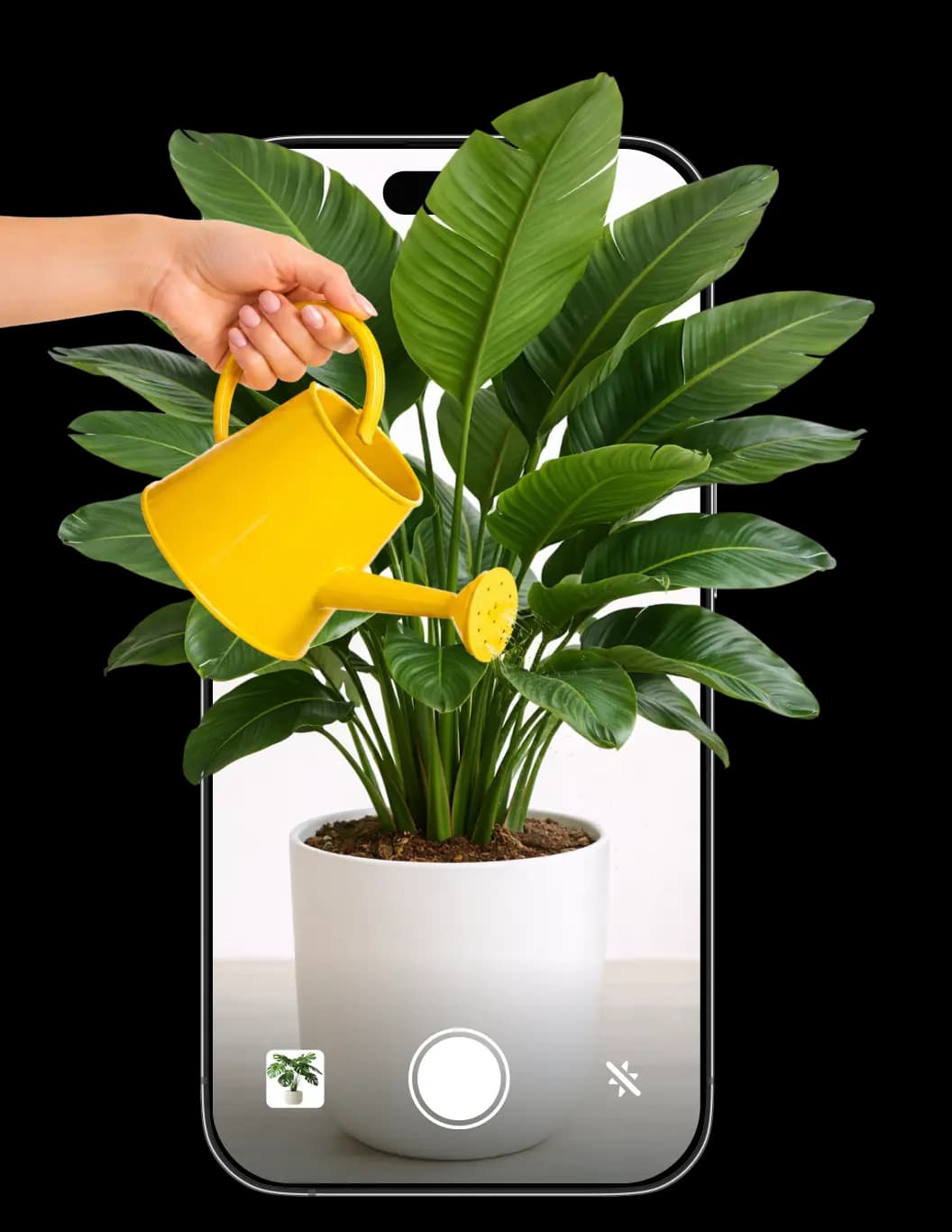
Not sure if your plant needs water? Check its watering needs inside the app.
Use Botan for a clear watering guide and simple care steps for nasturtium. The app can also review photos to help spot emerging leaf, stem, or soil problems early.
Garden nasturtium often performs best with relatively lean, well-drained soil and moderate watering; rich, constantly moist soil pushes leafy growth at the expense of flowers and can make plants more prone to rot and aphids.
Its roots stay near the soil surface, so potted plants dry out faster than many ornamentals and show quick wilting in heat, yet typically recover well if watered before the soil becomes bone dry.
Originally from Andean regions with good drainage, garden nasturtium is prone to root problems if soil stays saturated, especially in cool weather, so consistent drainage matters more than high watering frequency.
Yes. Water thoroughly until a little drains from the bottom, then empty the saucer. This ensures the whole root zone is moistened while preventing soggy conditions that encourage root rot and nutrient loss.
Botan reviews your watering pattern to confirm if moisture levels stay on track.
8 min read · 14 Aug 2026
Dry indoor air stresses a lot of houseplants. You usually notice it first in the browning leaf tips. This guide describes 8 simple ways to raise the moisture around your plants, from humidifiers to pebble trays.
6 min read · 15 Sept 2026
Plants can grow under artificial light when the setup provides a suitable spectrum, enough intensity, and sufficient daily exposure. This guide explains how artificial lighting compares with sunlight, which options work indoors, and how to match a setup to houseplants.
8 min read · 24 Jul 2026
Spiders constantly appear in places you don't want them. A few common plants can help repel them using scent alone. Here are 12 options suitable for both indoors and outdoors, plus care tips for each.