oregano (Origanum vulgare) Watering Guide

This page explains when, how often, and how much to water Origanum vulgare for practical, consistent care.

Water Requirements

Low Water

Origanum vulgare Watering

Native to relatively dry Mediterranean slopes, Origanum vulgare evolved with brief rainfall and free‑draining soil. It prefers light, even moisture that allows the surface to dry slightly between waterings rather than constant wetness.

In-ground plants usually rely on natural rainfall, while containers dry faster and need closer attention. This overview of watering oregano sets the stage for more detailed guidance on how to water oregano in different settings.

Let the soil dry well between waterings, then water when the top 1–2 inches (3–5 cm) feel dry and the pot feels noticeably lighter. Indoors, this typically means watering about every 7–10 days. In hotter, brighter summer conditions, outdoor oregano may need water more often than indoor plants.

Water oregano when the top 1-2 inches (3-5 cm) of soil feel dry, using a slow, targeted approach.

  • Pour room-temperature water directly onto the soil around the base, avoiding wetting the leaves and central stems.
  • Water slowly in a circle over the root zone until moisture reaches the full pot depth and excess begins draining out.
  • Let the container drain freely for several minutes, then empty any saucer so the pot does not sit in standing water.
  • Use top watering for most plants, reserving bottom watering only for temporarily rehydrating very dry, compacted soil.

Incorrect moisture levels often trigger health setbacks for Origanum vulgare in containers and garden beds.

Yellowing Lower Leaves:

Older leaves turn pale and drop due to persistently wet soil restricting oxygen around roots.

Wilting With Wet Soil:

Stems droop while soil feels moist, suggesting root damage from prolonged saturation and poor drainage.

Woody, Sparse Growth:

Stems harden and foliage thins when irrigation is too frequent, discouraging deep, resilient root development.

Root Rot In Crown:

Base of stems darkens and softens where excess moisture collects around the plant’s central growth point.

Let soil dry between waterings, prioritizing sharp drainage and moderate, not constant, moisture exposure.

Poor watering habits can stress Origanum vulgare, weakening growth, reducing aroma, and shortening the plant’s productive life indoors or outside.

  • Following a fixed schedule: Watering by calendar instead of checking soil moisture keeps roots too wet or too dry; test the top layer and adjust timing.
  • Using heavy, dense soil: Planting in moisture-retentive soil suffocates roots; switch to a gritty mix with sand or perlite for faster drainage.
  • Leaving water in saucers: Letting pots sit in runoff keeps the root zone saturated; empty saucers soon after watering so excess can fully drain.

Aim for thorough but infrequent watering in fast-draining soil, letting the top layer dry between waterings to keep oregano resilient.

  • Spring: Increase watering slightly as new shoots appear, letting the top inch of soil dry between waterings to prevent soft, lanky growth.
  • Summer: During sustained heat and strong sun, water more deeply but less often, allowing soil to dry well to maintain aromatic, compact foliage.
  • Fall: Gradually reduce watering as growth slows, keeping soil just lightly moist and avoiding heavy soaking before cooler nights.
  • Winter: For outdoor dormant plants, water sparingly in dry spells; indoors, give small drinks only when most of the mix has dried.

Get Your oregano Watering Schedule

Use the Botan app for a clear watering guide and step-by-step care for Origanum vulgare, plus gentle photo-based issue checks to spot stress before it worsens.

Botan plant care app — identify plants on mobile

Interesting Watering Facts

Mediterranean drought tolerance

In its native Mediterranean range, Origanum vulgare often grows on dry, rocky slopes that receive intense summer sun and limited rainfall, which is why established plants in cultivation tolerate periods of drought better than frequent, shallow watering.


Flavor linked to water stress

Studies on Origanum vulgare show that moderate water stress can increase concentrations of essential oils, which may intensify aroma and flavor, although severe drought reduces overall growth and yield.

Roots adapted to dry soils

Origanum vulgare forms a relatively shallow but wide-spreading root system in well‑drained, low‑moisture soils, helping it quickly use light rains while avoiding the prolonged saturation that can lead to root rot.

FAQ

This species tolerates brief dryness far better than soggy soil. Slight underwatering is usually safer than overwatering, which can cause root rot, yellowing, and weak growth, especially in dense or poorly drained potting mixes.

More Plant Watering Guides

Is Your Watering Routine Hurting Your oregano?

Botan reviews your watering pattern to confirm if it matches the plant’s needs.

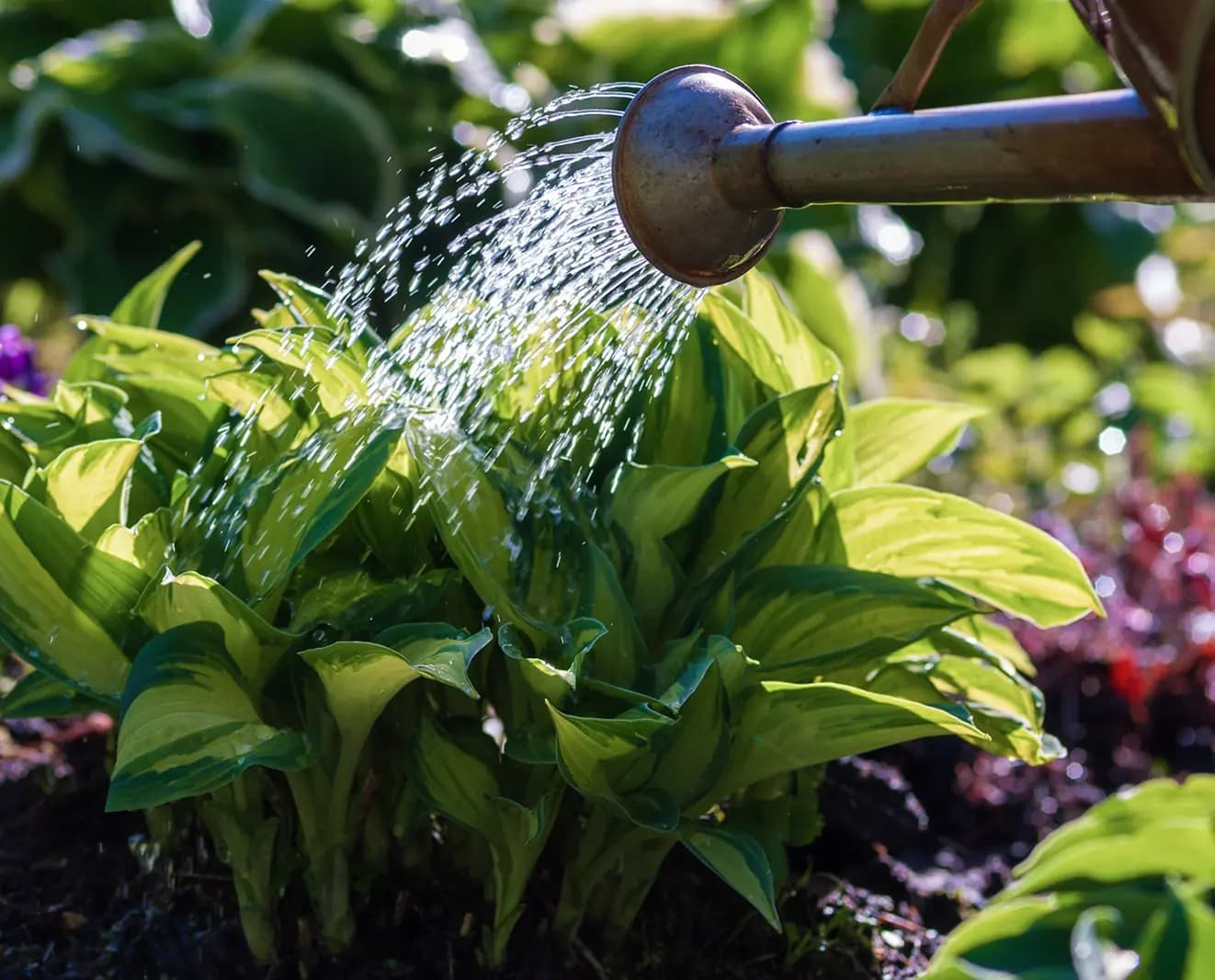
Watering a plant with a copper watering can
How Fast Does Bamboo Grow Per Day, Month, and Year

10 min read · 7 Jul 2026

How Fast Does Bamboo Grow Per Day, Month, and Year

Bamboo grows extremely fast: some species can reach 5-6 m in just 3-4 months under the right conditions. This guide explains how much bamboo can grow per day, week, and year, and what affects its growth rate.

Plant Recommendations
How Fast Does Bamboo Grow Per Day, Month, and Year
How to Increase Humidity for Plants – 8 Simple Ways That Work

8 min read · 14 Aug 2026

How to Increase Humidity for Plants – 8 Simple Ways That Work

Dry indoor air stresses a lot of houseplants. You usually notice it first in the browning leaf tips. This guide describes 8 simple ways to raise the moisture around your plants, from humidifiers to pebble trays.

Plant Care
How to Increase Humidity for Plants – 8 Simple Ways That Work
20 Most Popular Fruits Around the World

7 min read · 22 Jul 2026

20 Most Popular Fruits Around the World

Curious which fruits the world actually eats the most? Here's the top-20 by production volume, an overview of what people choose in each region, and a few figures that defy common assumptions.

Plant Recommendations
20 Most Popular Fruits Around the World