Rosemary (Salvia rosmarinus) Watering Guide

This page explains when, how often, and how much to water Salvia rosmarinus for practical everyday care.

Water Requirements

Low Water

Salvia rosmarinus Watering

Deep-rooted and drought-tolerant, Salvia rosmarinus evolved in dry Mediterranean hillsides with light, infrequent rainfall. It prefers soil that dries slightly between waterings rather than staying consistently moist, especially in open garden beds.

As a result, watering Rosemary means focusing on restraint and checking dryness before adding more moisture, indoors or outdoors. Indoors, containers may need somewhat more frequent attention than in-ground plants, but the same light, lean approach applies.

Let the top 1–2 inches (3–5 cm) of soil dry out completely before watering again, as this drought-tolerant herb dislikes constantly wet roots. Indoors, this typically means watering about every 7–14 days. In brighter light or outdoor summer heat, intervals usually shorten; in cooler, lower-light conditions, they extend.

Water Rosemary when the top 1-2 inches (3-5 cm) of soil feel dry, focusing on deep, efficient root hydration.

  • Pour room-temperature water slowly at the base of the plant, keeping foliage and woody stems as dry as possible.
  • Water until moisture reaches the full root zone and a small amount begins to drain from the pot’s bottom holes.
  • Let the container drain completely, then empty any saucer or cachepot so roots do not stand in leftover water.
  • Use top watering rather than bottom watering to better control how quickly the soil wets and drains through.

Incorrect moisture balance can weaken Salvia rosmarinus, stressing roots and foliage over time.

Yellowing Lower Leaves:

Older leaves turn dull yellow and limp from chronically wet soil and struggling oxygen-starved roots.

Wilting With Wet Soil:

Stems droop while soil feels moist due to root rot from prolonged saturation or poor drainage.

Crisp Browning Tips:

Leaf edges dry, curl, and brown where underwatering or hot, windy conditions deplete available moisture.

Soft Blackened Stems:

Lower stems darken, soften, and collapse when fungal pathogens attack in consistently soggy, compacted soil.

Moldy Soil Surface:

White or gray fungal growth appears on top of the potting mix after frequent shallow watering.

Allow soil to dry between deep waterings, favoring fast drainage and moderate, not constant, moisture.

Unsuitable watering habits weaken Salvia rosmarinus by stressing its drought-tolerant roots, making rosemary less resilient to heat, pests, and disease.

  • Watering by calendar: Following a fixed schedule ignores how fast the soil dries; instead, water only when the top inch feels dry and crumbly.
  • Using dense potting soil: Rich, peat-heavy mixes hold too much moisture; choose a gritty, fast-draining blend with sand or perlite to protect roots.
  • Letting pots sit in runoff: Leaving water in saucers keeps roots wet for hours; empty them quickly or elevate the pot so drainage stays free.

For rosemary, focus on fast drainage, light but deep watering, and letting soil dry clearly between waterings to support long-term vigor.

  • Spring: As growth resumes, water when the top 1–2 inches of soil dry, then let excess drain fully to prevent root issues.
  • Summer: In sustained heat and strong sun, check moisture more often and water deeply when soil is dry, especially for container plants.
  • Fall: Gradually extend the time between waterings as growth slows, keeping soil lightly dry rather than consistently moist.
  • Winter: For outdoor plants in mild climates, rely mostly on rainfall; indoors, water sparingly when soil is dry and air is warm.

Get Your Rosemary Watering Schedule

Use Botan to get a clear watering guide and care steps for Salvia rosmarinus, plus gentle photo-based checks that help notice leaf spots, stress, or other issues early.

Botan plant care app — identify plants on mobile

Interesting Watering Facts

Roots Avoid Waterlogging

Salvia rosmarinus forms a woody, fibrous root system that is efficient in fast-draining, rocky Mediterranean soils and highly sensitive to waterlogged conditions, which is why it often declines in heavy clay or poorly drained garden beds.


Summer-Dry Adaptation

In its native Mediterranean range, Salvia rosmarinus is adapted to cool, wetter winters and hot, dry summers, maintaining growth with minimal summer rainfall and making it better suited to slightly drier conditions in warm months than many common culinary herbs.

Leaf Design Reduces Loss

The narrow, needle-like leaves of Salvia rosmarinus, with a leathery surface and sunken stomata, reduce water loss through transpiration, allowing the plant to stay evergreen and aromatic even under prolonged seasonal drought in its natural habitat.

FAQ

A porous pot such as unglazed terracotta with several drainage holes is best. It lets excess water escape and soil dry between waterings, which reduces root rot and supports healthy Salvia rosmarinus watering routines.

Everything About Rosemary

More Plant Watering Guides

Is Your Watering Routine Hurting Your Rosemary?

Use Botan to review watering patterns and see if moisture levels stay appropriate.

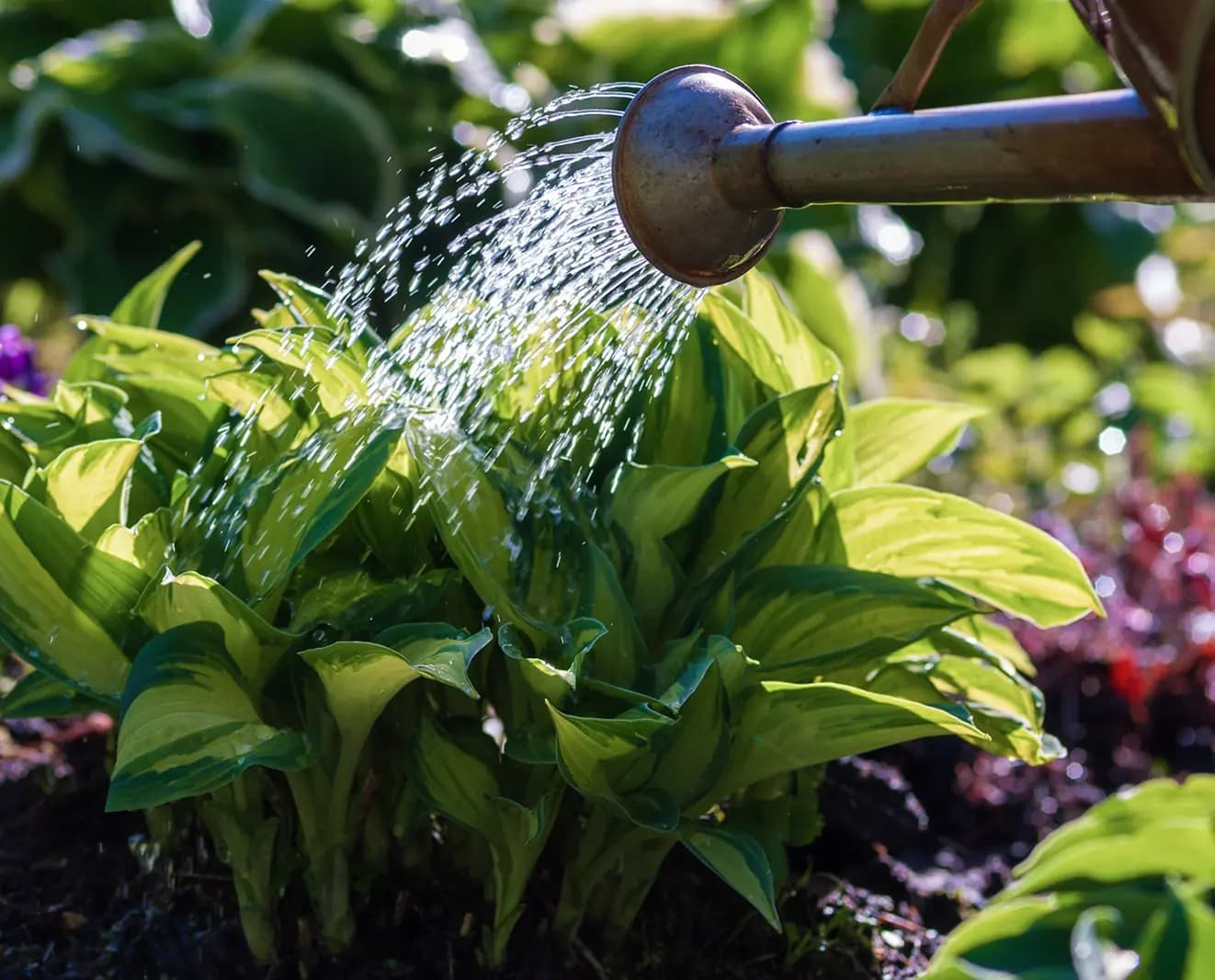
Watering a plant with a copper watering can
How to Clean Plant Leaves: A Simple Care Guide

6 min read · 4 Aug 2026

How to Clean Plant Leaves: A Simple Care Guide

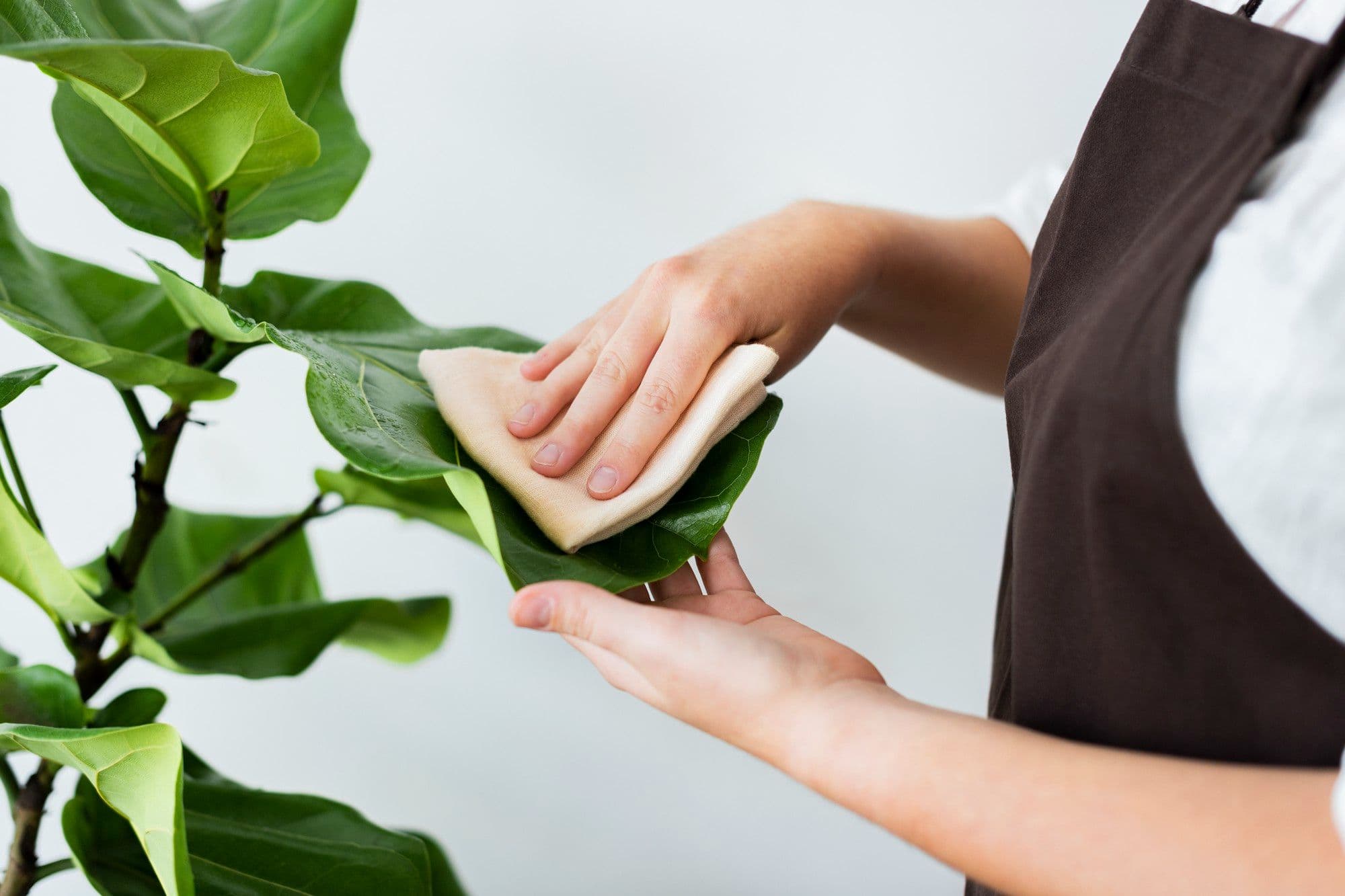
Dusty leaves look dull and don't absorb light well. Below, you'll find simple ways to clean them, which tools are truly effective, how often you should do it, and what causes damage.

Beginner Guides
How to Clean Plant Leaves: A Simple Care Guide
Thorny Plants: A Comprehensive Guide

10 min read · 25 Aug 2026

Thorny Plants: A Comprehensive Guide

Many plants defend themselves with sharp thorns. This guide explores over 20 examples among flowers, shrubs, trees, and vines. You'll learn what each plant looks like, why it grows thorns, and how to quickly identify them.

Plant Recommendations
Thorny Plants: A Comprehensive Guide
Rice Water for Plants – Which Plants Love It and How to Make It

8 min read · 14 Jul 2026

Rice Water for Plants – Which Plants Love It and How to Make It

Rice water can be an ideal DIY solution for orchids, roses, or fruiting plants. It supports growth, leaf count, and height. We’ll share how to make and apply it correctly for your plant.

Plant Care
Rice Water for Plants – Which Plants Love It and How to Make It