Naturally Bog-Tolerant
In the wild, Thuja occidentalis often grows on calcareous swamps and boggy ground, showing a notable tolerance for poorly drained, wet soils that would harm many other conifers.

This page explains when, how often, and how much to water Thuja occidentalis for practical, consistent care.

Water Requirements
Moderate Water
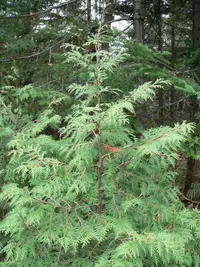
Native to cool, moist North American woodlands, Thuja occidentalis is adapted to steady soil moisture rather than extremes. In most landscapes, watering Arborvitae aims to keep the root zone evenly damp, not saturated or bone dry.
Think of basic care as gentle consistency, with soil that slightly dries at the surface between sessions. In-ground plants usually rely more on natural rainfall, while container specimens need closer, more regular attention to stay appropriately moist.
Newly planted Thuja occidentalis typically needs watering every few days for the first weeks, then about weekly during the first growing season. Check soil 1–2 inches (3–5 cm) down; water again when it feels dry at that depth. Hot, windy weather outdoors shortens this interval, while cool conditions extend it.
Water Arborvitae when the top 2-3 inches of soil feel dry, focusing on slow, deep moisture around the roots.
Incorrect moisture balance can stress Thuja occidentalis and lead to several growth and health problems.
Scales turn dull bronze or yellow from chronic dryness, often following extended periods without deep watering.
Branch tips brown and die when alternating drought and overwatering weaken fine feeder roots.
Lower foliage thins and darkens as roots suffocate in compacted, waterlogged, poorly drained ground.
Leaf edges crisp and brown after winter when dry roots concentrate de-icing salt in tissues.
Maintain evenly moist, well-drained soil through deep, infrequent watering and careful site drainage management.
Poor watering habits quickly stress Thuja occidentalis, reducing vigor, winter hardiness, and long-term structure, especially in young or newly transplanted plants.
Base watering on soil moisture, container drainage, and weather, aiming for evenly moist, oxygenated soil that supports deep, resilient roots.
Watering Advice
Learn when to water your plant and avoid common watering mistakes.
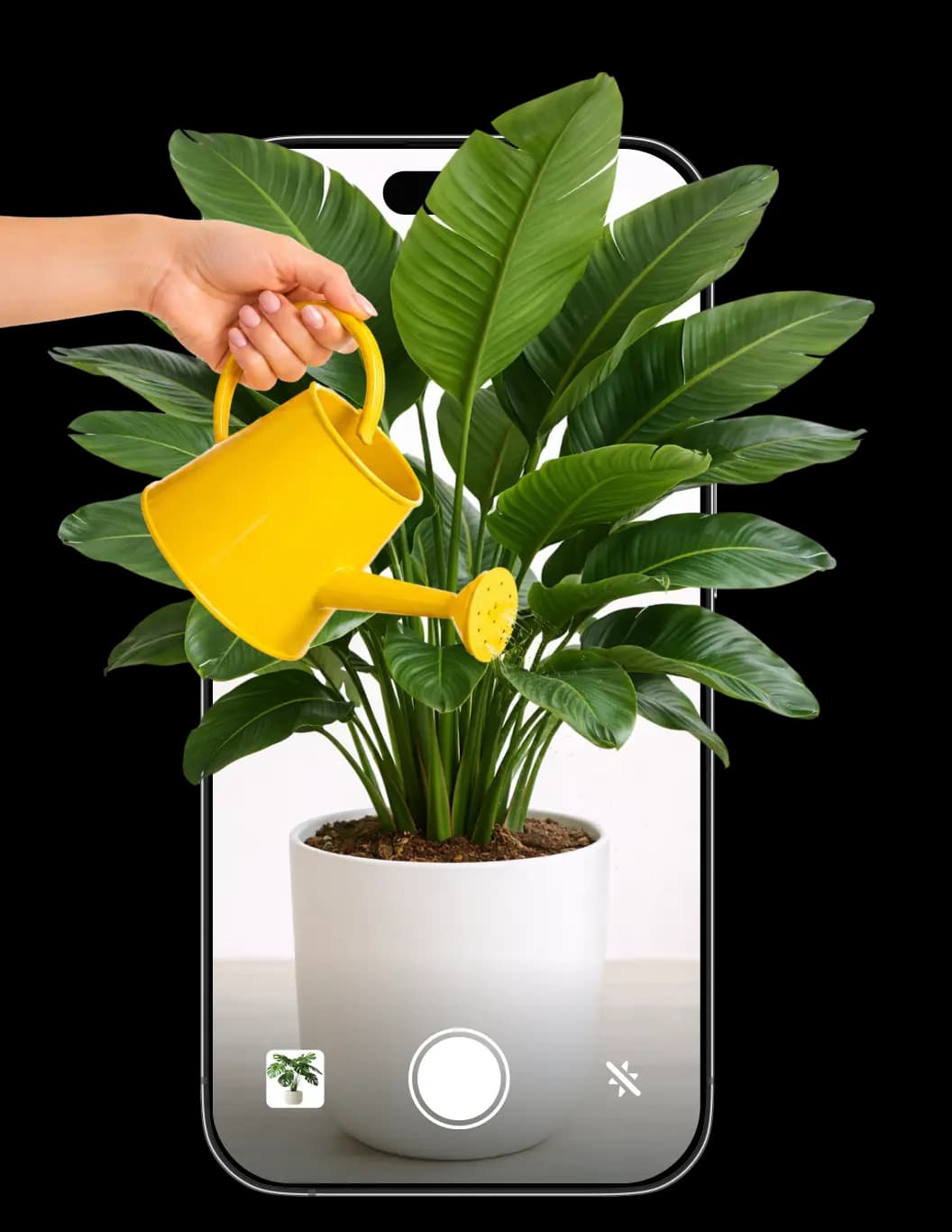
Use Botan for a clear watering guide and practical care steps for Thuja occidentalis. The app can also review plant photos to help notice issues early and suggest next actions.
In the wild, Thuja occidentalis often grows on calcareous swamps and boggy ground, showing a notable tolerance for poorly drained, wet soils that would harm many other conifers.
Thuja occidentalis develops a dense, shallow fibrous root system, which lets it quickly use surface moisture but also makes it sensitive to drying winds and surface soil drought once removed from naturally moist habitats.
This species remains physiologically active in cool weather and can lose water from its scale-like foliage on sunny winter days, which is why consistent soil moisture before ground freeze reduces winter browning in cultivated hedges.
During the first growing season, water deeply 1–2 times per week, depending on heat and rainfall. After establishment, switch to less frequent, deep watering. Adjust how often to water based on soil moisture, not the calendar.
Use Botan to review your watering habits and adjust them with confidence.
8 min read · 14 Aug 2026
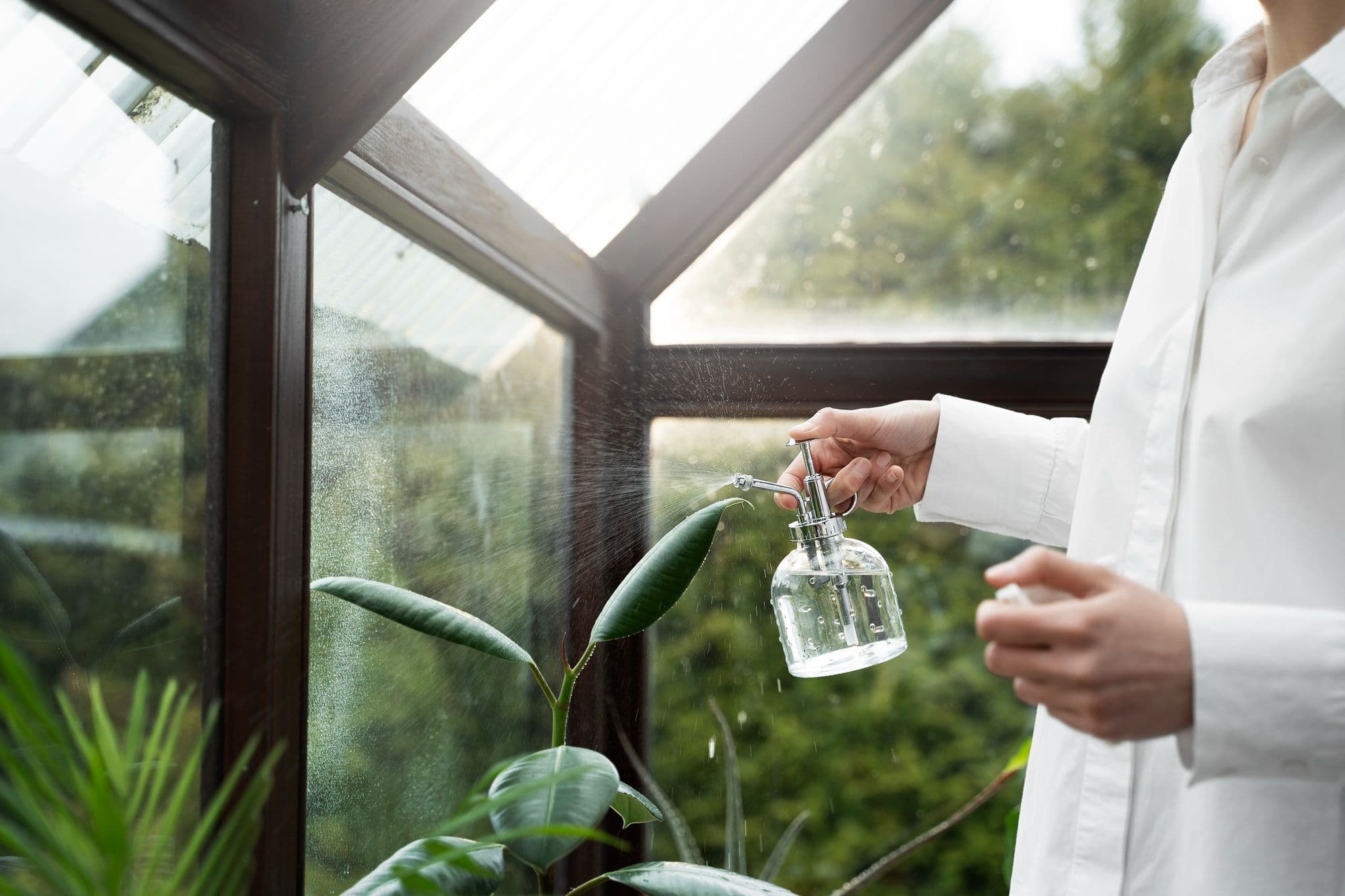
Dry indoor air stresses a lot of houseplants. You usually notice it first in the browning leaf tips. This guide describes 8 simple ways to raise the moisture around your plants, from humidifiers to pebble trays.
7 min read · 11 Aug 2026
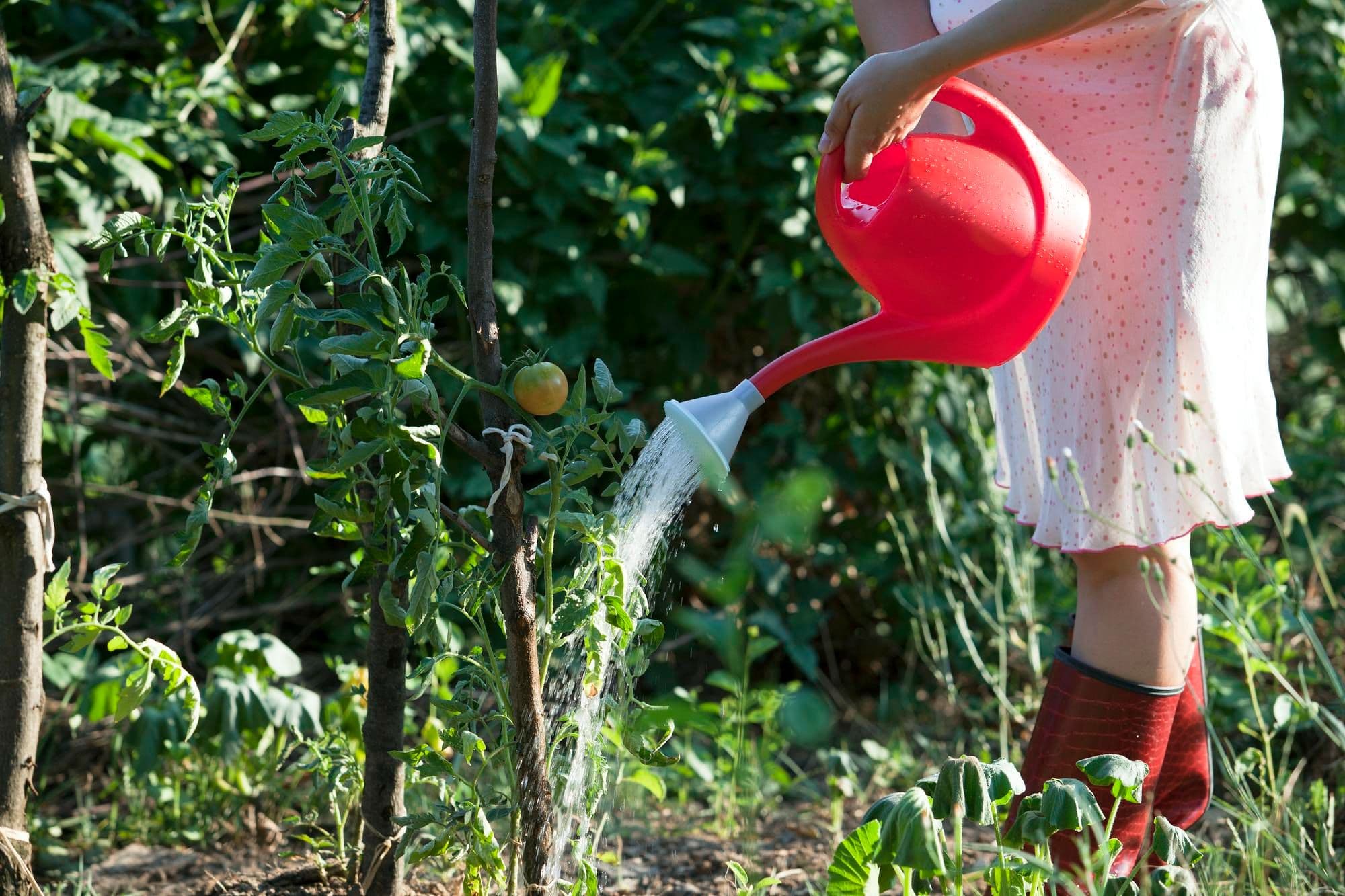
Irrigation needs change as roots establish and weather shifts. This guide gives practical starting intervals, explains how soil and tree type change them, and shows how to recognize both excess moisture and drought stress.
4 min read · 14 Sept 2026
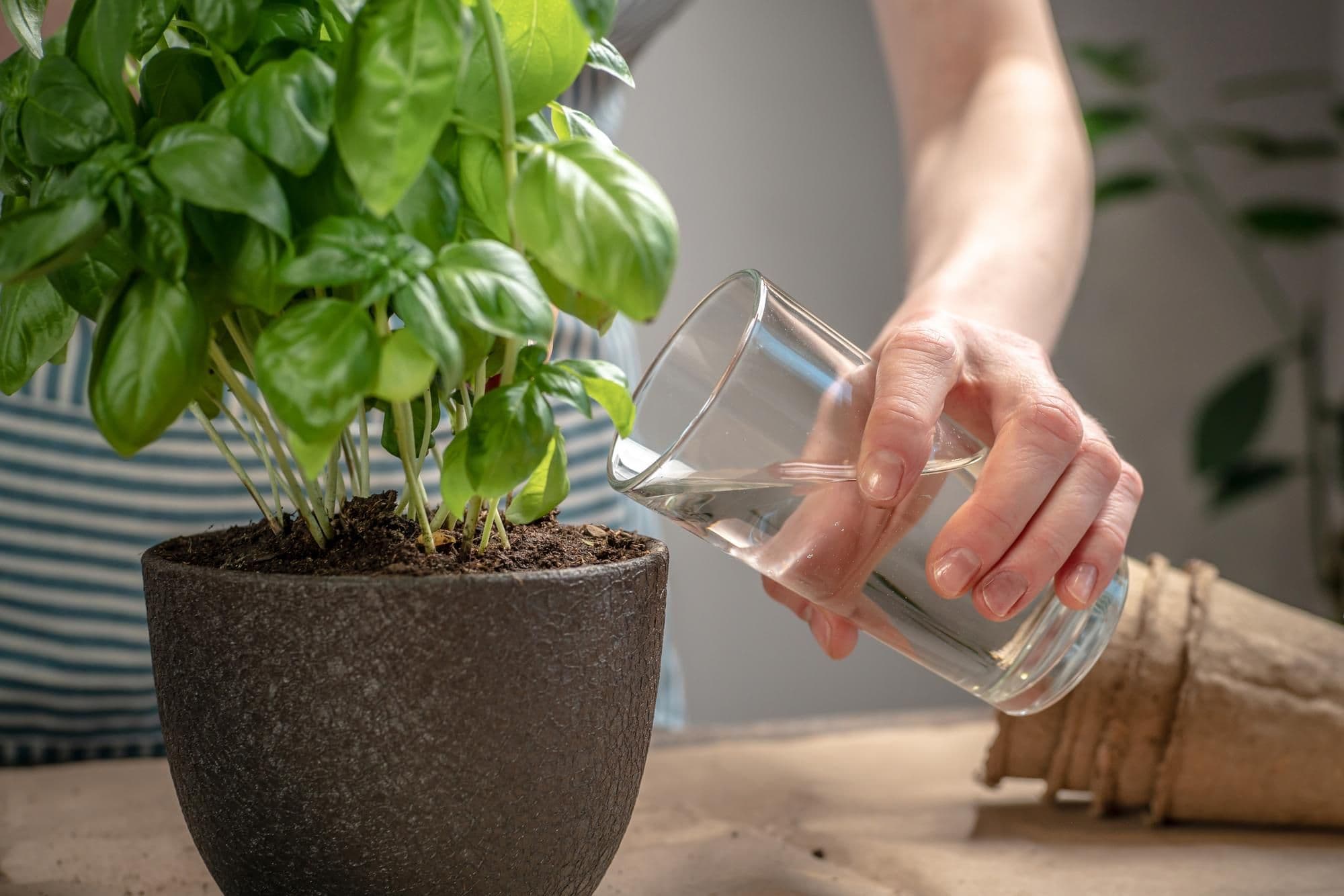
Sugar water may sound like an easy boost, but most rooted plants do not need extra sucrose. This guide explains how green tissues produce carbohydrates, when a sweetened solution can be useful, and why too much can cause problems.