

weeping willow (Salix babylonica) Watering Guide

This page explains when, how often, and how much to water Salix babylonica in typical home landscapes.

Water Requirements

Keep Soil Moist

Salix babylonica Watering

This fast-growing tree thrives in naturally damp riverbanks, so it responds best to generous, regular moisture. Salix babylonica prefers soil that stays evenly moist rather than drying out for long periods.

As a landscape tree, watering weeping willow usually centers on maintaining a broad zone of steady soil moisture. Container-grown plants, when used, need more frequent checks because limited soil volume dries faster than open ground, guiding how to water weeping willow overall.

Water when the top 1–2 inches (3–5 cm) of soil feel dry, as this moisture level suits Salix babylonica’s fast growth and high water use. This typically means frequent watering in hot, windy weather, and less in cool or rainy periods, especially once trees are well established.

Water when the top 2-3 inches of soil feel slightly dry, using deep, even soaking to support weeping willow roots.

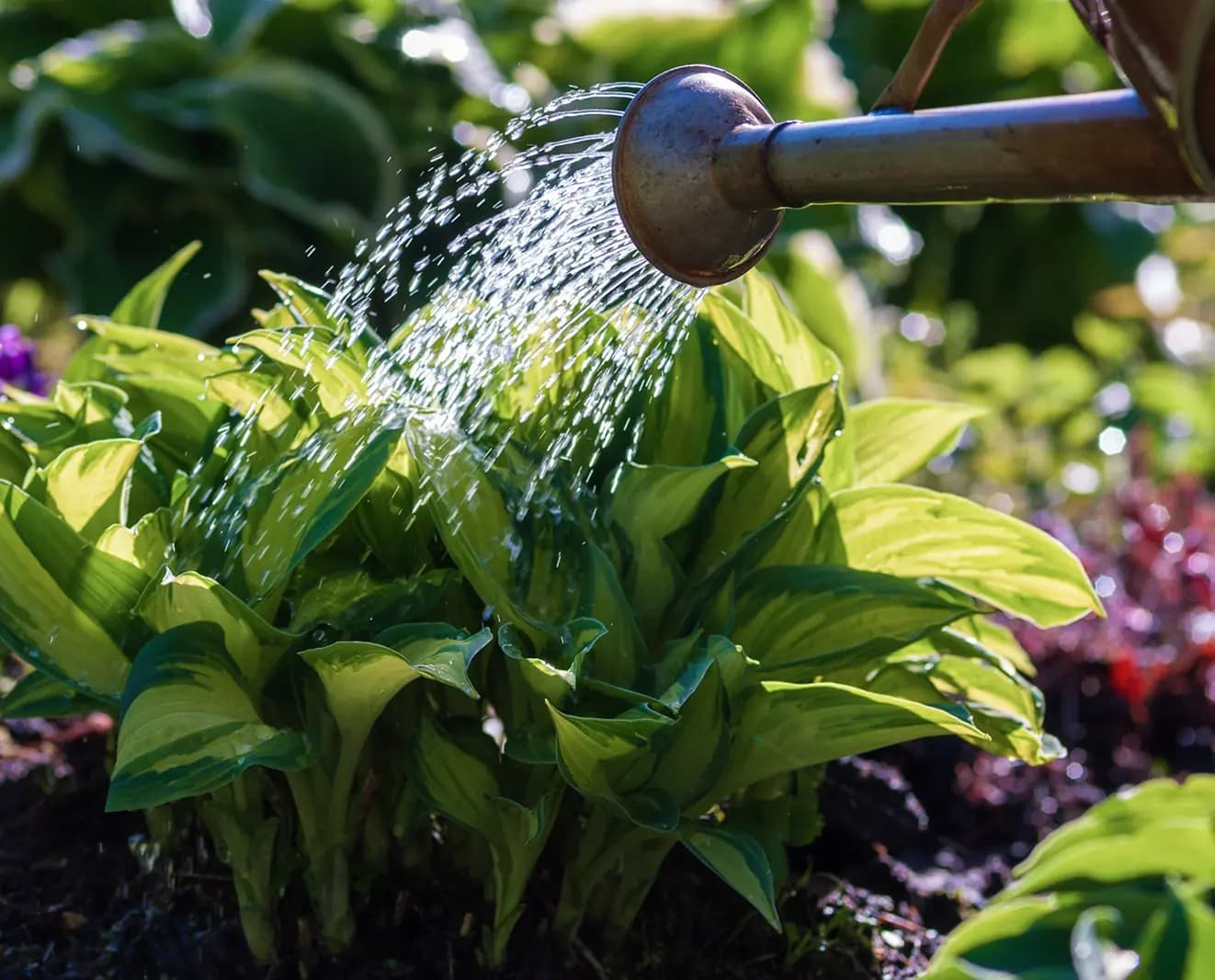
  • Direct a slow, steady stream of water at the soil over the root zone, avoiding trunks and exposed roots.
  • Apply enough water so moisture penetrates 8-12 inches deep, checking with a soil probe or narrow trowel.
  • Irrigate in a wide circle extending slightly beyond the canopy drip line to reach the tree’s absorbing feeder roots.
  • Allow water to infiltrate fully between applications so surface puddles disperse and soil remains moist but not flooded.

Incorrect moisture around Salix babylonica can disrupt growth and trigger several predictable problems.

Yellowing Foliage:

Leaves fade from green to pale yellow, typically caused by prolonged saturated soil suffocating roots.

Early Leaf Drop:

Branches shed leaves out of season when soil repeatedly swings between drought and saturation.

Dieback Of Branch Tips:

Fine twigs dry and fail to leaf out after chronic underwatering or compacted, poorly wetted soil.

Root Rot:

Roots turn brown, mushy, and foul-smelling in persistently waterlogged, slow-draining ground.

Cracked Surrounding Soil:

Soil around the trunk pulls away in wide fissures, signaling extended moisture shortage.

Maintain evenly moist, deep soil with good drainage, avoiding both drought stress and persistent waterlogging.

Poor watering habits can weaken Salix babylonica, limiting its fast growth and leaving this moisture-loving tree stressed and vulnerable.

  • Rigid watering schedule: Watering by calendar instead of checking soil moisture can drown or dry roots; probe soil and adjust timing to weather.
  • Compacted, heavy soil: Planting in dense clay traps water around fine feeder roots; improve structure with organic matter and ensure surface drainage away.
  • Wrong container choice: Growing a young tree in a small or unvented pot restricts thirsty roots; use a large, drained container with deep profile.

Favor deep, responsive watering in well-drained but moisture-retentive soil, guided by soil feel and seasonal conditions, not routine.

  • Spring: As new leaves emerge and sap flow increases, provide steady moisture, especially for young trees establishing roots away from surface water.
  • Summer: During hot, dry stretches, increase deep watering and monitor soil closely, since fast growth and large canopy can deplete moisture quickly.
  • Fall: As growth slows and leaves yellow, gradually reduce supplemental watering, but prevent the root zone from drying hard before leaf drop.
  • Winter: Once fully dormant, water only during extended dry, unfrozen periods, focusing on young trees without access to groundwater or nearby ponds.

Your weeping willow Care Companion

Use Botan for a clear watering guide and other practical care steps for Salix babylonica, plus gentle photo-based checks that can flag leaf, bark, or moisture issues early.

Botan plant care app — identify plants on mobile

Interesting Watering Facts

Roots Seek Open Water

In naturalized settings, Salix babylonica often positions itself right at the edge of rivers, lakes, and ponds, with roots that extend into saturated soils and shallow water, reflecting a strong adaptation to consistently moist or even waterlogged conditions.


High Flood Tolerance

Salix babylonica copes well with periodic flooding and long soil saturation, a trait that has led to its use along irrigation canals and ditches in several regions to help stabilize wet banks and manage waterlogged ground.

Thirsty, Fast-Growing Wood

The rapid growth of Salix babylonica is supported by very high water use, which can noticeably dry small, poorly replenished planting areas, so it is commonly planted where groundwater or surface water is abundant.

FAQ

Use enough water to fully soak the root ball until some drains from the bottom. In hot weather, large containers may need deep watering several times per week; smaller pots dry faster and need more frequent checks.

Everything About weeping willow

More Plant Watering Guides

Is Your Watering Routine Hurting Your weeping willow?

Botan quickly reviews your watering routine so adjustments are simpler and more confident.

Watering a plant with a copper watering can
How to Clean Plant Leaves: A Simple Care Guide

6 min read · 4 Aug 2026

How to Clean Plant Leaves: A Simple Care Guide

Dusty leaves look dull and don't absorb light well. Below, you'll find simple ways to clean them, which tools are truly effective, how often you should do it, and what causes damage.

Beginner Guides
How to Clean Plant Leaves: A Simple Care Guide
Frozen vs Fresh Vegetable Nutrients: Which Option Is Healthier?

6 min read · 8 Sept 2026

Frozen vs Fresh Vegetable Nutrients: Which Option Is Healthier?

Frozen and fresh vegetables are nutritionally comparable: frozen produce often retains vitamins just as well as fresh and may sometimes contain more. Here’s how blanching and storage affect nutrients—and when to choose each.

Plant Recommendations
Frozen vs Fresh Vegetable Nutrients: Which Option Is Healthier?
12 Most Wanted Rare Houseplants to Grow at Home

6 min read · 21 Sept 2026

12 Most Wanted Rare Houseplants to Grow at Home

Rare houseplants can turn an ordinary corner in your apartment into a living botanical collection. This guide covers 12 most admired picks, what makes them special, and how to grow them successfully at home.

Plant Recommendations
12 Most Wanted Rare Houseplants to Grow at Home