
Fiddleleaf Fig (Ficus lyrata) Watering Guide

This page explains when, how often, and how much to water Ficus lyrata to support steady indoor growth.

Water Requirements

Moderate Water

Ficus lyrata Watering

Native to West African rainforests with seasonal rainfall, Ficus lyrata prefers soil that dries slightly between waterings rather than staying soggy. Indoors, watering Fiddleleaf Fig means watching soil moisture, not the calendar, to match shifting light and humidity.

Think of its roots cycling between moderate moisture and gentle drying, not extremes. This balanced pattern is the core approach before adjusting details for pot size, room conditions, or location.

Water when the top 1–2 inches (3–5 cm) of soil feel dry, rather than on a fixed schedule. In bright indoor light, Ficus lyrata typically needs water about every 7–10 days, while lower light or cooler rooms often extend the interval. Outdoor heat or strong sun may shorten it.

Water when the top 1–2 inches (3–5 cm) of soil feel dry, using a slow, deep, and controlled soak for Fiddleleaf Fig.

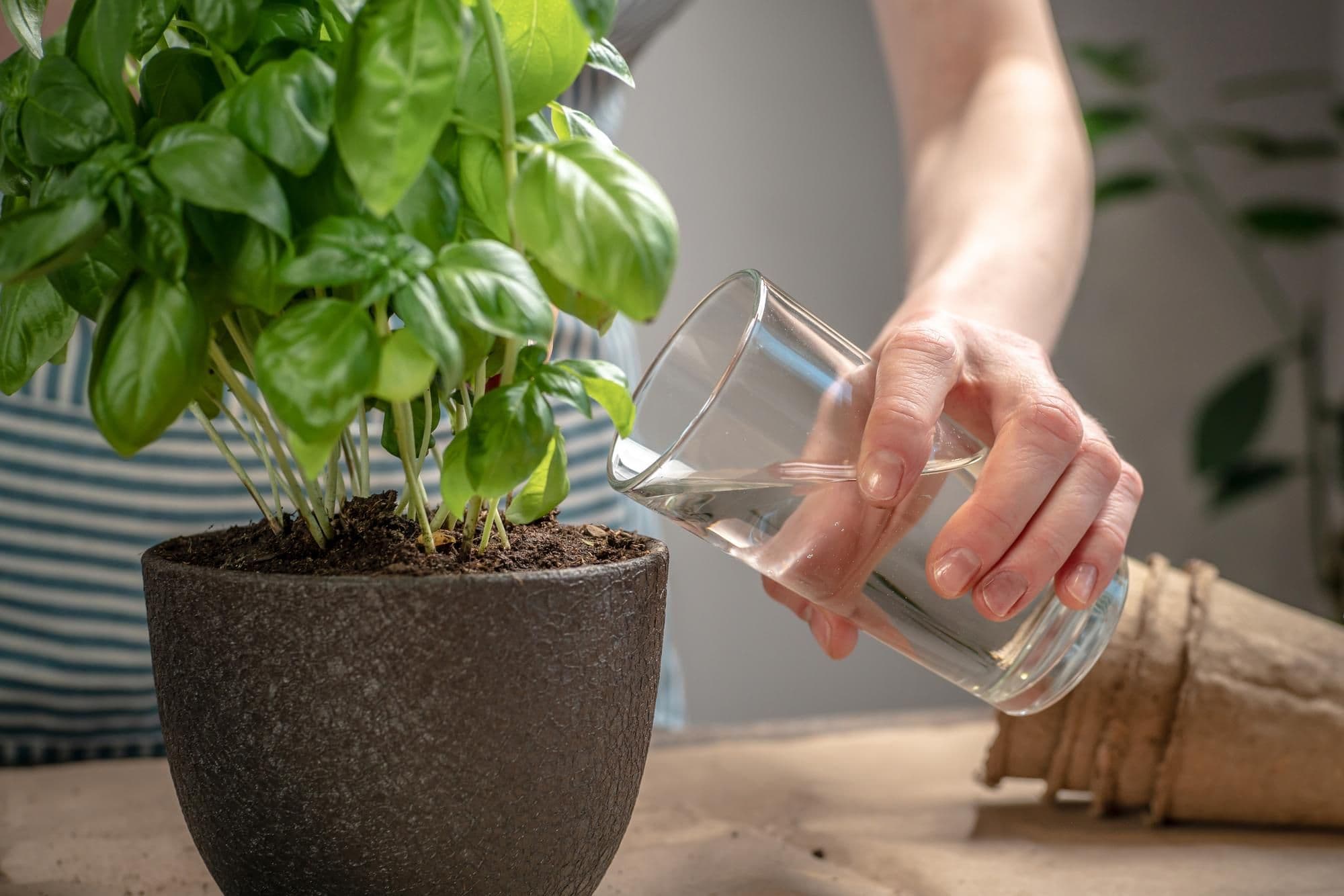
  • Pour room-temperature water slowly over the soil surface, circling the pot so moisture reaches the entire root zone evenly.
  • Continue adding water until it flows from the drainage holes, then pause briefly to let the soil finish absorbing moisture.
  • Discard water collected in the saucer after a few minutes so the pot does not sit in standing liquid.
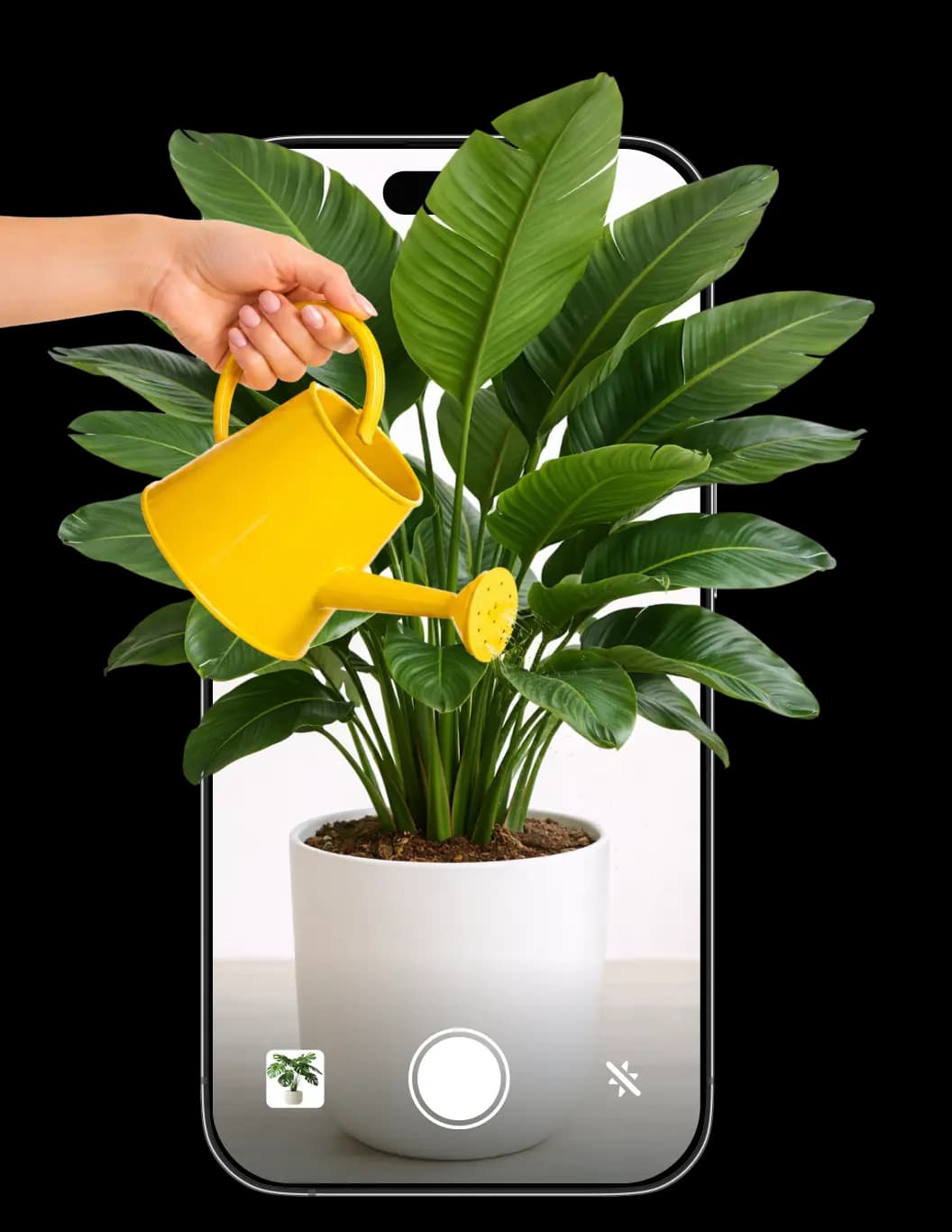
  • Keep water off the trunk and leaves; aim between stems so the crown area stays dry while roots receive moisture.

Incorrect moisture levels around Ficus lyrata roots can gradually trigger several avoidable problems.

Yellowing Lower Leaves:

Older leaves fade yellow from chronic overwatering and compacted soil suffocating delicate root tissues.

Drooping With Dry Soil:

Limp foliage and light pot indicate underwatering, calling for thorough soaking and improved monitoring.

Brown Leaf Edges:

Crisp margins usually follow inconsistent watering and low humidity stressing the broad, thin leaves.

Mushy Roots And Soil:

Sour smell and soft, dark roots signal prolonged saturation demanding immediate repotting into fresh mix.

Keep the root zone evenly moist, never saturated, allowing partial drying between deep, consistent waterings.

Poor watering habits quickly stress Ficus lyrata, limiting growth and resilience even when light, temperature, and nutrition are otherwise reasonable.

  • Watering by calendar: Following a fixed schedule, not soil moisture, often keeps the mix too wet or too dry; instead, check the top layer before watering.
  • Heavy, compact soil: Using dense potting soil traps moisture and air, so choose a chunky, fast-draining mix with materials like bark or perlite.
  • Water left in saucer: Letting runoff sit in the saucer keeps lower roots submerged; always empty it shortly after watering to maintain air spaces.

Safer watering focuses on how quickly the potting mix dries, adjusting timing and volume so the root zone alternates moisture and air.

  • Spring: As new leaves emerge and days brighten, monitor soil more often and water when the top layer dries faster than in winter.
  • Summer: In warm, bright rooms, transpiration increases, so expect quicker drying and potentially deeper watering while still avoiding soggy soil.
  • Fall: Growth slows as light levels drop, so reduce watering frequency and let the potting mix dry slightly longer between waterings.
  • Winter: With low light and cooler rooms, the plant is semi-resting; water sparingly and ensure the top soil dries well before rewatering.

Your Fiddleleaf Fig Care Companion

Use Botan for a simple watering guide and step-by-step care procedures for Ficus lyrata, plus gentle photo-based checks that help flag potential leaf, stem, or soil issues early.

Botan plant care app — identify plants on mobile

Interesting Watering Facts

Rainy‑season growth flush

In its native West African lowland forests, Ficus lyrata puts on most of its leaf and shoot growth during the rainy season, when soil moisture is consistently high, and slows growth sharply in the drier months, which is why it prefers a distinct wet–slightly drier rhythm in cultivation.


Epiphyte-like moisture access

Young Ficus lyrata plants often start life in tree crotches as hemi‑epiphytes, where they rely on brief but frequent wetting from rain and dew rather than deep soil moisture, helping explain their preference for thorough watering followed by good drainage rather than constantly saturated potting mix.

FAQ

There is no fixed schedule. Water when the top 1–2 inches (3–5 cm) of soil are dry, which might be every 7–14 days indoors. Adjust based on light, temperature, season, and pot size when deciding how often to water.

More Plant Watering Guides

Is Your Watering Routine Hurting Your Fiddleleaf Fig?

Botan reviews your routine to show whether current watering amounts are appropriate.

Watering a plant with a copper watering can
Best Plant Identification Apps – Accuracy, Features, and Price

11 min read · 27 Jul 2026

Best Plant Identification Apps – Accuracy, Features, and Price

We’ve tested, analyzed, and reviewed 8 top tools to find the best plant identification app. Find out which recognized common and rare plants are on the 1st attempt. Learn each app’s key features, pros, and cons — and make a fully informed choice.

Plant Recommendations
Best Plant Identification Apps – Accuracy, Features, and Price
Banana Peel Water for Plants: 5 Things to Know Before Trying It

5 min read · 9 Jul 2026

Banana Peel Water for Plants: 5 Things to Know Before Trying It

Banana water can provide potassium and some nutrients that may support plant growth, but it is not a universal fix. Use it carefully and only when the plant actually shows signs of nutrient deficiency rather than as a routine treatment.

Plant Care
Banana Peel Water for Plants: 5 Things to Know Before Trying It
How to Clean Plant Leaves: A Simple Care Guide

6 min read · 4 Aug 2026

How to Clean Plant Leaves: A Simple Care Guide

Dusty leaves look dull and don't absorb light well. Below, you'll find simple ways to clean them, which tools are truly effective, how often you should do it, and what causes damage.

Beginner Guides
How to Clean Plant Leaves: A Simple Care Guide