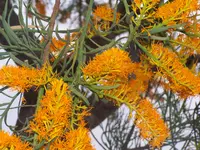

Christmas Tree (Nuytsia floribunda) Watering Guide

This page outlines when, how often, and how much to water Nuytsia floribunda in typical home conditions.

Water Requirements

Low Water

Nuytsia floribunda Watering

This tall Western Australian tree comes from dry, sandy habitats with seasonal rainfall, so it tolerates brief drought. Nuytsia floribunda prefers slightly moist to drying soil rather than constant wetness, especially in heavier garden soils.

For watering Christmas Tree outdoors, think light but regular top-ups that mimic infrequent natural rain. Container-grown specimens may need a bit more frequent monitoring than in-ground trees, but the basic approach stays conservative.

Let the soil for Nuytsia floribunda dry out well between waterings, then water when the top 1–2 inches (3–5 cm) feel dry and lighter. This trigger matters more than the calendar, especially with seasonal heat or higher light, which make the plant need water more often.

Water Nuytsia floribunda when the top 1-2 inches (3-5 cm) of soil feel dry; hydrate Christmas Tree slowly and evenly.

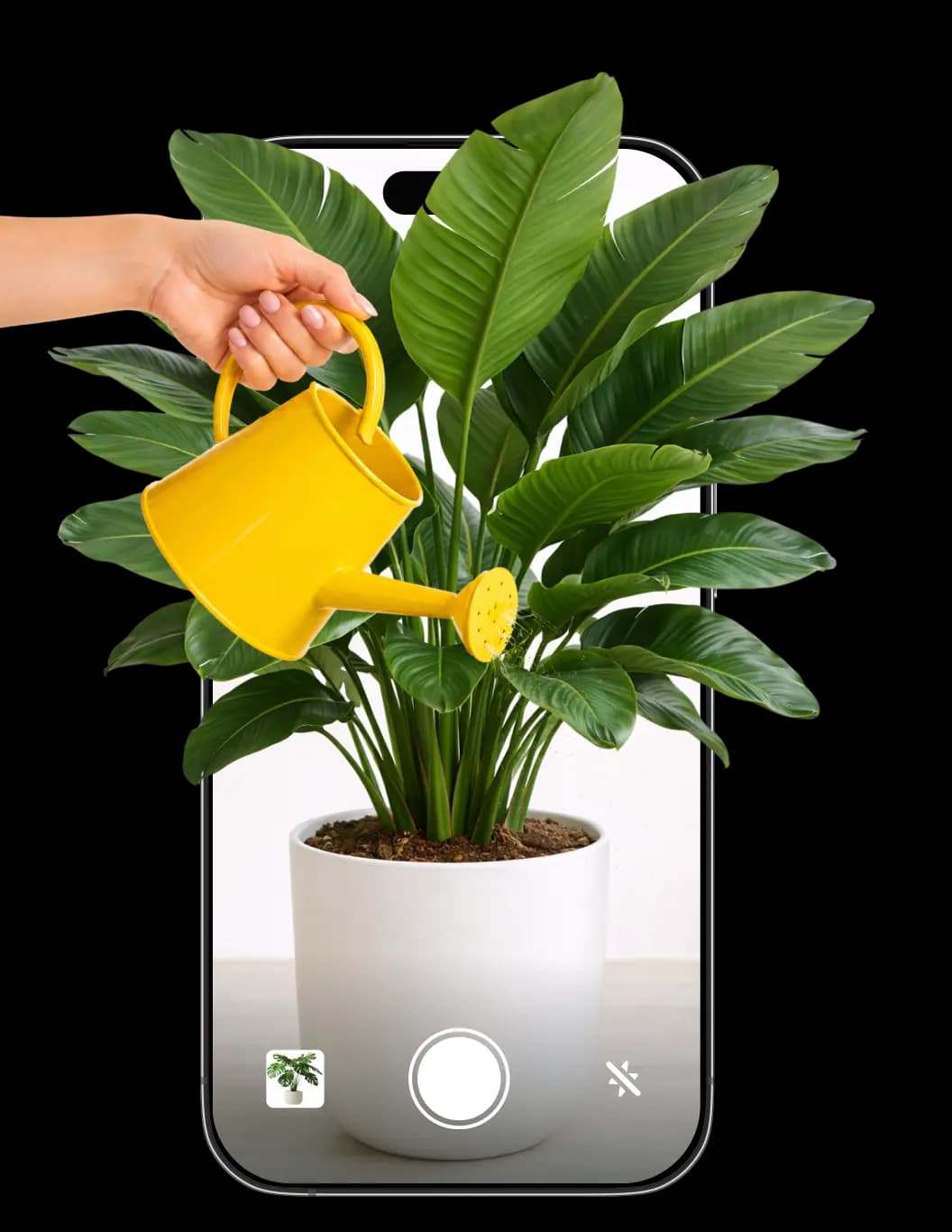
  • Pour room-temperature water directly onto the soil surface, circling the base so the entire root zone is reached.
  • Add water in stages, allowing each pour to soak in, until moisture reaches several inches deep without pooling above.
  • Let excess water drain freely from the pot’s holes, then empty saucers or outer containers after a few minutes.
  • Keep the trunk and foliage mostly dry while watering, avoiding strong splashes against the base to limit lingering surface moisture.

Incorrect moisture levels disrupt natural growth patterns and stress Nuytsia floribunda in cultivation.

Stunted Top Growth:

Very slow extension of new shoots often reflects roots disturbed by watering near sensitive haustoria.

Root Zone Decline:

Brown, brittle roots suggest prolonged dryness preventing effective connection with nearby host plant roots.

Foliar Yellowing Patches:

Irregular yellow areas on older leaves can follow brief waterlogging in sandy, low-organic substrates.

Branch Tip Dieback:

Drying and death of outer twigs may result from inconsistent deep moisture around established host trees.

Maintain evenly dry, fast-draining conditions while avoiding disturbance and sudden swings in root-zone moisture.

Unsuitable watering habits can weaken Nuytsia floribunda, making this Christmas Tree less resilient to heat, drought, and transplant stress.

  • Following a fixed schedule: Watering on a calendar rather than checking soil dryness can drown fine roots; instead, irrigate only when the rooting zone dries slightly.
  • Using heavy, waterlogged soil: Dense potting mixes hold moisture too long; choose a very sandy, sharply draining blend that mimics its native, lean soils.
  • Leaving runoff in saucers: Letting containers sit in collected water keeps roots saturated; empty saucers promptly so excess moisture can fully drain away.

Prioritize fast drainage, brief watering, and partial soil drying between irrigations so this species experiences short, controlled moisture pulses.

  • Spring: Rely mostly on natural rainfall; add light supplemental water only if warm, dry spells persist and foliage shows mild stress.
  • Summer: Provide occasional deep watering during extended hot, dry periods, but allow soil to dry well, as the hemiparasitic roots dislike saturation.
  • Fall: Gradually reduce supplemental watering as temperatures ease, keeping soil just slightly moist while the tree prepares for flowering.
  • Winter: Offer minimal to no irrigation where winters are mild and showery, watering only if unseasonal, prolonged dryness coincides with warm winds.

Your Christmas Tree Care Companion

Use Botan for a simple watering guide and step-by-step care for Nuytsia floribunda, plus gentle photo-based checkups that help spot early leaf, stem, or watering issues.

Botan plant care app — identify plants on mobile

Interesting Watering Facts

Hemiparasitic water strategy

This species is a root hemiparasite that taps into nearby plants’ roots, drawing on their water and nutrients rather than relying only on its own root system, which shapes its natural drought tolerance and distribution in sandy, low-fertility soils of southwestern Australia.


Flowering after dry heat

In its native habitat, the tree typically comes into its striking summer bloom after a period of hot, dry weather, using deep roots and parasitic connections to maintain access to moisture while many surrounding plants show stress.

Sensitive to root disturbance

Mature trees often react poorly to changes in soil moisture patterns caused by construction, trenching, or irrigation system changes around their root zone, reflecting their long‑developed balance between host roots, soil conditions, and water availability.

FAQ

In the ground, water deeply but infrequently once established, roughly every 2–4 weeks in dry seasons. Focus on soaking the root zone, then allow the soil to dry significantly before the next watering to prevent root problems.

More Plant Watering Guides

Is Your Watering Routine Hurting Your Christmas Tree?

Botan reviews your watering routine so you can adjust with more confidence.

Watering a plant with a copper watering can
How to Repot a Plant: A Step-by-Step Guide

7 min read · 28 May 2026

How to Repot a Plant: A Step-by-Step Guide

In spring, many plants need repotting—an essential part of care. To avoid stress, consider the plant’s type and size. This article offers a step-by-step guide for repotting indoors or outdoors and shows how to check plant health and get care tips using the Botan App.

Plant Care
How to Repot a Plant: A Step-by-Step Guide
Best Time to Mow Lawn – A Complete Guide

5 min read · 10 Aug 2026

Best Time to Mow Lawn – A Complete Guide

Explore when to mow your lawn for its health and a pleasant green color. Find out the best time for this task during the summer heat, and follow practical tips for correctly cutting the grass, and learn common mistakes to avoid.

Plant Care
Best Time to Mow Lawn – A Complete Guide
Rice Water for Plants – Which Plants Love It and How to Make It

8 min read · 14 Jul 2026

Rice Water for Plants – Which Plants Love It and How to Make It

Rice water can be an ideal DIY solution for orchids, roses, or fruiting plants. It supports growth, leaf count, and height. We’ll share how to make and apply it correctly for your plant.

Plant Care
Rice Water for Plants – Which Plants Love It and How to Make It