How to Water Succulents: When, How Often, and How Much
Yellowing, mushy, or shriveled leaves can all point to a watering problem, yet each can have a different cause. This guide explains how to water succulents, when to wait, and how soil, pots, and seasons change the routine.

On this page
- How Much Water Do Succulents Need?
- How to Water Succulents Step by Step
- Step 1: Check the Soil and Leaves Before Watering
- Step 2: Soak the Soil Thoroughly
- Step 3: Let the Pot Drain and the Soil Dry Out
- How Often to Water Succulents
- Indoor Succulents
- Outdoor Succulents
- Watering Succulents in Winter
- Top Watering vs. Bottom Watering: Which Is Better?
- How to Water Succulents Without Drainage
- Signs Your Succulent Needs More or Less Water
- Common Watering Mistakes to Avoid
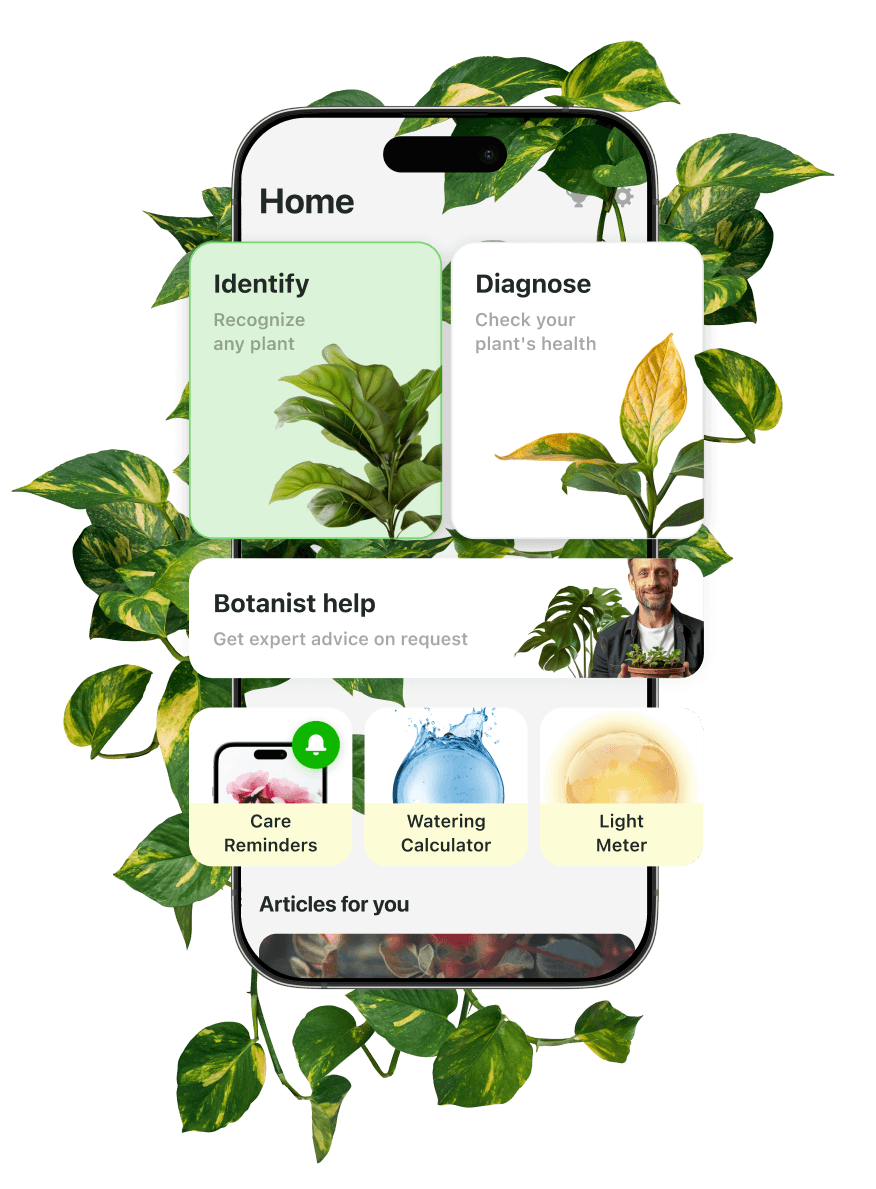
Many succulents use CAM photosynthesis, which reduces water loss by shifting gas exchange to the night. CAM plants can have 3-20 times the water-use efficiency of C3 plants. Proper watering still matters because soggy roots can rot. Botan offers care reminders and a succulent identifier for species-specific guidance.
How Much Water Do Succulents Need?
Do succulents need water as often as other houseplants? Their fleshy tissues store moisture, so they can stay dry for longer periods.
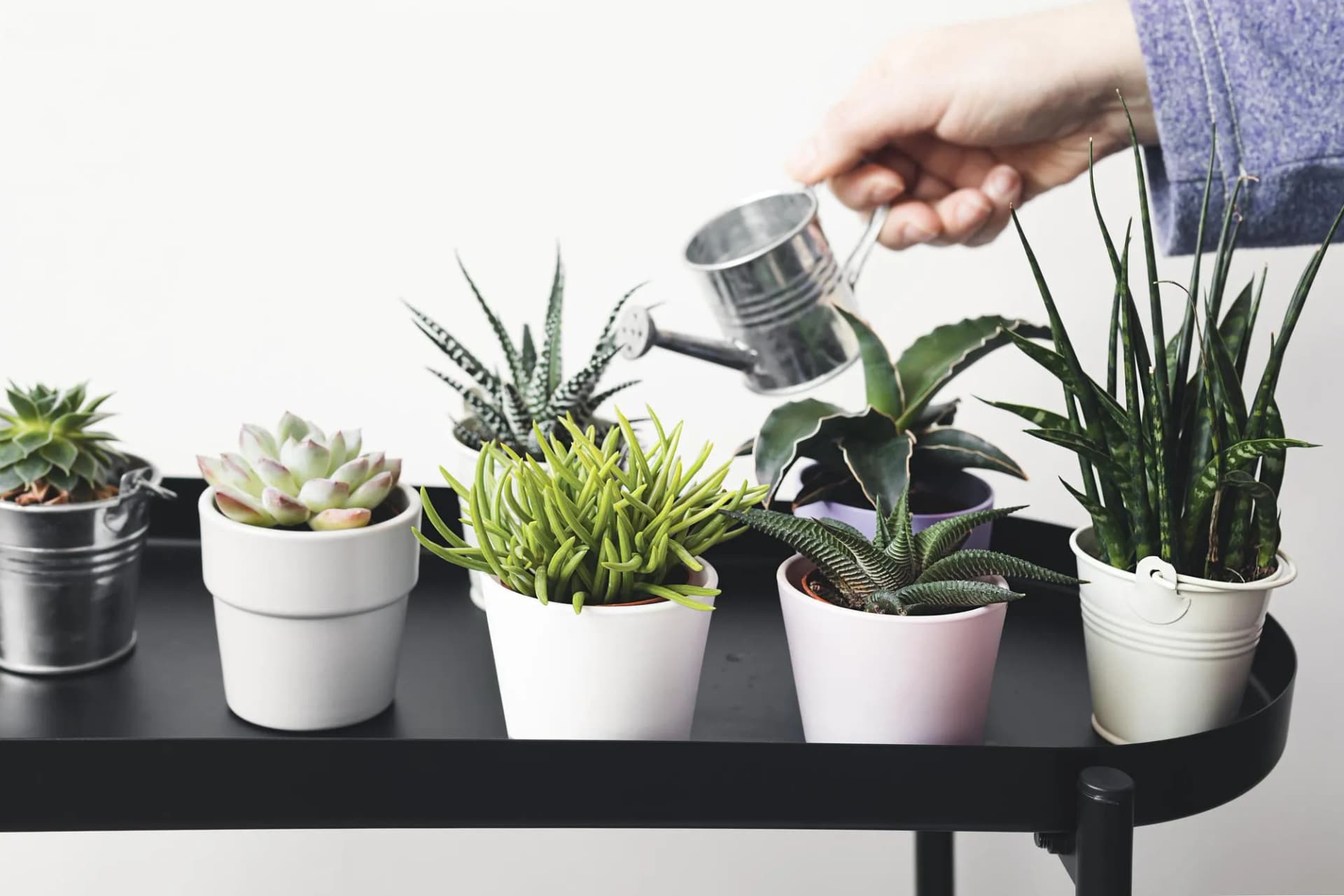
Amount matters too: how much water do succulents need at one time? For a potted plant, follow the soak and dry method: wet the entire root ball until excess begins to drain from the hole. For most indoor succulents, checking the pot every 2-3 weeks is a reasonable starting point, but water only after the potting mix has dried completely.
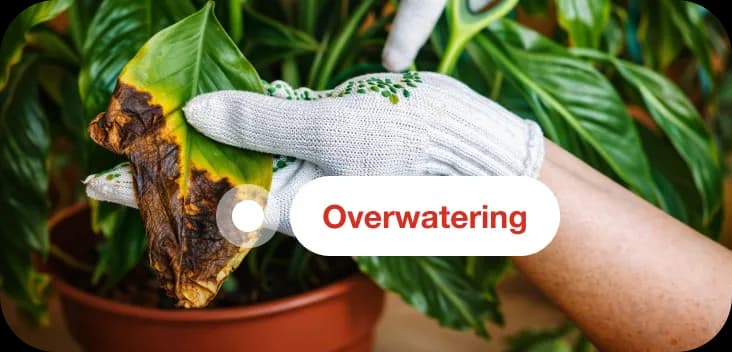
Overwatering poses a greater risk than underwatering because prolonged wetness deprives the roots of oxygen and can lead to root rot. Most established succulents can go several weeks without watering, while wrinkling or loss of firmness may signal that stored moisture is running low.

Identify Your Plant’s Problem
Scan with Botan for an instant diagnosis — 98%+ accuracy
How to Water Succulents Step by Step
When learning how to water succulents in a pot, follow the same three steps whether your plants grow indoors or outdoors. The process involves checking soil moisture, soaking the root zone, and allowing excess water to drain away.
Step 1: Check the Soil and Leaves Before Watering
To determine when to water succulents, insert your finger about 1 inch (2.5 cm) into the soil. If it feels damp, wait a few more days. In deeper pots, use a wooden skewer to check whether the lower layers have dried. Slightly wrinkled leaves or a loss of firmness may also indicate that the plant needs watering.
Quick Tip: Lift the pot immediately after watering and again when the soil is dry. The difference in weight can help you recognize when your succulent needs another drink.
Step 2: Soak the Soil Thoroughly
Pour slowly over the potting mix until excess water runs from the drainage hole. Direct the stream toward the soil; on rosette-forming succulents, avoid leaving water between the leaves.
Deep watering encourages root development throughout the container by supplying moisture beyond the surface layer. Frequent small splashes can leave deeper roots dry. If the substrate has become so dry that it repels water, apply it in two or three slow passes. Give each application time to soak in so the entire root ball becomes evenly moist.
Step 3: Let the Pot Drain and the Soil Dry Out
Let the pot drain freely after soaking. Empty the saucer after 10-20 minutes so the container does not sit in runoff. Then let the mix dry completely before the next soak.
Drying speed changes with the pot and growing medium. Cactus mix with pumice or perlite drains faster than a dense substrate, while unglazed terracotta loses moisture more quickly than plastic. Check succulents in terracotta pots sooner, especially during warm weather.

Know When Your Succulent Needs a Soak
Identify your plant and get tailored care guidance

How Often to Water Succulents
How often to water succulents changes with growing conditions. Species-specific plant watering guides can help set a starting point. Check beneath the surface before each soak.
- Season and dormancy: change how quickly the plant uses moisture.
- Light and temperature: change drying speed.
- Pot size and material: small or porous pots dry faster.
- Soil mix: gritty media retain less moisture.
- Humidity and airflow: dry, moving air speeds evaporation.
- Succulent type and age: growth stage and root development affect moisture needs.
Several factors can change at once, so even the same plant may dry at a different pace over time. Use the table below as a starting point.
Situation | Starting Point | What to Check First |
Indoors, spring-summer | Soak after the potting mix dries | Moisture about 1 inch (2.5 cm) down |
Indoors, fall-winter | Extend the interval; keep the mix drier during rest | Dryness and signs of active growth |
Outdoors, growing season | Soak containers after the mix dries; established hardy plants may need none | Soil moisture and recent rainfall |
Outdoors, heat waves | Check containers daily; soak only when the mix has dried | Soil moisture, heat, and wind |
Outdoors, winter/rainy season | Often none if rainfall is sufficient | Rainfall and persistent dampness |
Small or mini pots | Check sooner than larger containers | Soil moisture and pot weight |
Newly propagated succulents | Moisture needs vary by method; avoid saturated media | Rooting stage and new growth |
Indoor Succulents
How often to water succulents indoors varies with room conditions and container type. Bright window light, warm air, indoor heating, and steady airflow can dry the mix faster. Cooler rooms and lower winter light mean longer gaps between soaks.
Check deeper in the mix first. Small pots dry faster than larger ones, and terracotta loses moisture more quickly than plastic. Mini succulents need extra care because their small root systems can become saturated quickly.
Outdoor Succulents
How often to water succulents outdoors varies with where they grow and the weather. Containers lose moisture faster in hot or windy conditions. Established hardy succulents in well-drained ground may need little or no supplemental irrigation.
Skip irrigation when rainfall keeps the soil moist. During wet periods, wait until the ground dries. If containers stay damp for long stretches, move them to a sheltered spot with better airflow where practical.
Watering Succulents in Winter
Many indoor cacti and succulents need less moisture during cooler, lower-light months. Let the growing medium dry and extend the interval substantially. Cold, wet conditions raise the risk of root rot.
Dormancy follows different schedules among succulent genera. Thanksgiving cactus (Schlumbergera truncata) needs less moisture during its cooler rest period than during active growth. Conophytum bilobum becomes dormant in summer and resumes growth as temperatures cool. Use each plant's seasonal pattern to set the schedule.

Top Watering vs. Bottom Watering: Which Is Better?
For most potted plants, the best way to water succulents is from the top. Pour slowly until excess drains from the bottom of the pot, then let the container drain completely. Top watering reaches the root zone and helps flush mineral buildup.
Bottom watering can be used as an alternative to top watering. It can be useful when dry mix resists absorbing water from above. When bottom watering succulents, set the container in a few inches of water and wait until the top of the mix feels moist. Remove the pot, let it drain thoroughly, and do not leave the roots soaking for longer than needed.
How to Water Succulents Without Drainage
Knowing how to water succulents without drainage takes extra care because excess moisture has nowhere to escape. Wait until the mix feels dry beneath the surface, then add small amounts gradually and stop before the soil becomes saturated.
For most succulents, a container with a drainage hole is the safer choice. Gravel or stones at the bottom do not provide the same protection. When using a decorative pot without holes, keep the plant in a nursery pot with drainage and remove it for watering. Let it drain completely before placing it back inside.
Signs Your Succulent Needs More or Less Water
Leaf changes offer useful clues. Soil and root condition matter too. Wrinkling often appears when a succulent is too dry, yet similar shriveling can follow root damage from excess moisture. Recognizing the signs of overwatering vs underwatering makes these mixed signals easier to interpret.
What You See | Underwatered | Overwatered |
Leaves | Wrinkled, shriveled, or dry | Yellowing, soft, or mushy |
Color | Yellowing or browning | Yellowing |
Stem | Wrinkled or shriveled | Soft or collapsing |
Soil | Very dry, may pull away from the pot | Remains damp for too long |
Leaf drop | Older lower leaves may dry and fall | Old and new leaves may yellow and drop |

Common Watering Mistakes to Avoid
Watering problems often begin with habits that keep succulent roots too wet. Check the plant and potting mix before each soak.
Fixed schedules: Damp soil means the plant is not ready, so check again later.
- Giving frequent small splashes: Small amounts may not reach the full root zone.
- Leaving runoff in the saucer: Empty the saucer so the pot does not sit in pooled moisture.
- Using soil that dries too slowly: Dense mixes keep roots wet too long.
- Ignoring seasonal changes: Light, temperature, growth, and dormancy affect drying speed.
When a succulent shows stress, change one part of the routine at a time. Watch its response before adjusting anything else.
FAQ
Established succulents can often stay dry for several weeks. Check soil moisture and leaf condition instead of relying on a fixed interval, since species, season, temperature, and container size all affect drying.
Found this helpful?
Add Botan as a preferred source on Google.
Anastasiya Vasilyeva
Plant Care Content Writer
3+ years of experience in creating text content and botanical research
Anastasiya is a content writer with over three years of experience. At Botan App, she writes about plant identification, growing conditions, and everyday care, making plant-related topics easier for readers to understand.
Related Articles

6 min read · 23 Oct 2026
When to Harvest Carrots: Timing, Signs, and How to Pick Them
Carrots are usually ready 60-80 days after sowing them in the soil, depending on the variety. Learn how to recognize maturity signs, choose the right harvest season, pull carrots without damaging them, and store roots after picking.

5 min read · 28 Sept 2026
How to Winterize Your Garden in 6 Steps
Learn how to prepare your garden for winter with a practical six-step checklist covering cleanup, tender plant care, watering, mulching, winter protection, and winterizing equipment and containers.

6 min read · 15 Sept 2026
Can Plants Grow With Artificial Light?
Plants can grow under artificial light when the setup provides a suitable spectrum, enough intensity, and sufficient daily exposure. This guide explains how artificial lighting compares with sunlight, which options work indoors, and how to match a setup to houseplants.
More Succulents to Consider
Senecio
Senecio 'Himalaya'
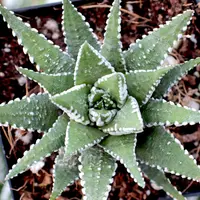
Haworthia
Haworthia 'Big Band'
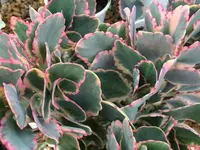
Variegated Kalanchoe
Kalanchoe fedtschenkoi 'Marginata'
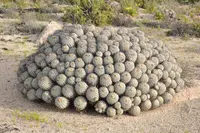
Copiapoa malletiana
Copiapoa malletiana
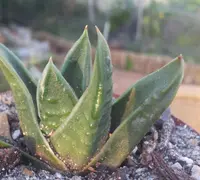
Crude Haworthia
Haworthiopsis scabra
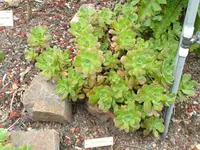
Cape Verde Tree Houseleek
Aeonium gorgoneum
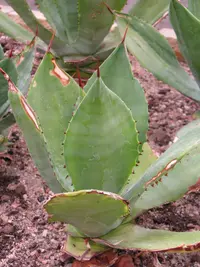
Agave seemanniana
Agave seemanniana
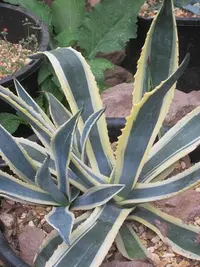
Variegated Century Plant
Agave americana 'Marginata'
Identify the plant and problem. Help your plant recover
Identify plant problems early, understand what's wrong, and get clear care guidance. Botan helps you turn guesswork into confident plant care