Overwatering vs Underwatering: How to Tell the Difference
Overwatering and underwatering can look almost identical, so they're easy to confuse. In this guide, we'll cover the signs of each, simple ways to tell them apart, and how to treat your plant once you know what's wrong.

On this page
Your plant looks wilted and unhappy, but is it drowning or dying of thirst? Wilting, yellowing, and drooping can point to either one, which is exactly what makes them so easy to confuse. So how do you tell if a plant is overwatered or underwatered?
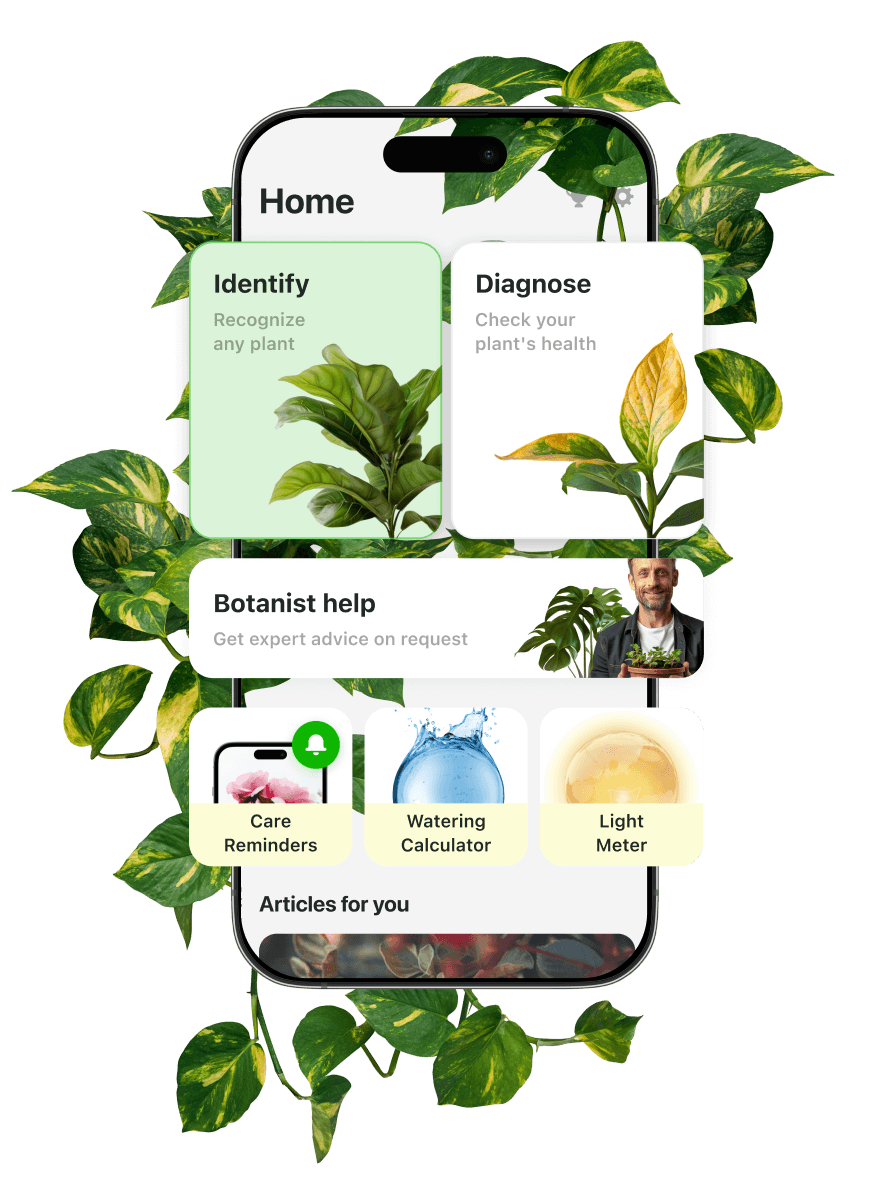
The quickest clue is the soil, not the leaves: soggy means too much water, dry and crumbly means too little. If you’re not sure what plant you even have, Botan can identify it and determine its watering needs.
Below, we'll look at the signs and solutions for both overwatering and underwatering.
How to Tell if a Plant Is Overwatered or Underwatered
When you look at a weakening plant, you may have a question: “Is my plant over or underwatered?”. The quickest way to answer it is to compare the symptoms.
Symptom | Overwatered | Underwatered |
Leaf color | Yellowing, lower leaves first | Yellowing with dry, brown tips and edges |
Leaf texture | Soft, limp, sometimes swollen | Crisp, dry, and brittle |
Wilting | Droops while the soil stays wet | Droops while the soil is dry |
Soil feel | Soggy, dense, slow to dry | Dry, cracked, pulling from the pot |
Stem condition | Soft, mushy, or blackened at the base | Thin and shriveled, but still firm |
Growth rate | Stalled, with dropping leaves | Slowed, with smaller new leaves |
Smell | Musty or sour from the soil | No unusual smell |
When considered together, these signs of overwatering vs underwatering usually clearly point to a single problem. When two or three signs coincide, you've likely found the culprit.

Identify Your Plant’s Problem
Scan with Botan for an instant diagnosis — 98%+ accuracy
What Does an Overwatered Plant Look Like?
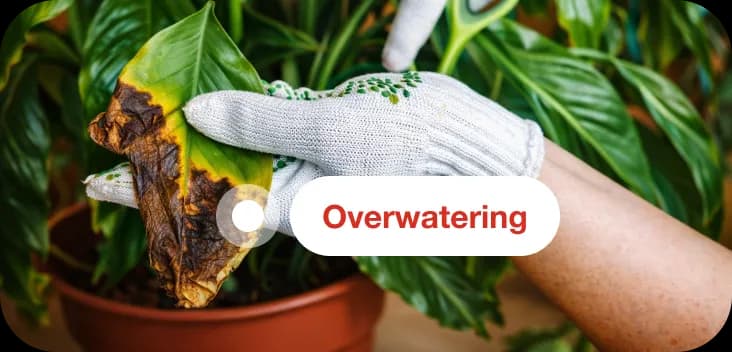
An overwatered plant often looks like it's wilting from thirst, which is what confuses people. The difficulty is that overwatered indoor plants show the same wilting and yellowing as drought-stressed ones, because soggy roots simply stop working. Here are the main signs:
- Yellowing leaves, usually the lower and inner ones first
- Soft, limp, or mushy leaves and stems
- Wilting even though the soil is still wet
- Brown, mushy roots and a musty smell from the pot
- Mold or a green film on the soil surface
- Small, water-soaked blisters on the leaves
Each plant has its own unique signs of overwatering. A Dwarf Umbrella Tree, for example, starts dropping leaves fast when its roots stay waterlogged.
How to Fix an Overwatered Plant
If you compare overwatering vs underwatering, the first one is easier to fix. In that case, the main rule is simple: stop watering. Get the plant away from direct sunlight - this way you will avoid further stress during the recovery period.
If the soil remains damp after a few days, carefully remove the plant and inspect the roots. Cut off any soft, brown, or smelly root parts by using clean scissors. Remaining healthy roots should be firm and pale.
Then, you should repot it into a fresh mix and a pot with drainage holes, then water only once the top inch of soil feels dry. Be patient and resist the urge to "help" the plant with more water. A succulent like the Jade Plant recovers more quickly in loose soil that dries out quickly between waterings.

What Does an Underwatered Plant Look Like?
A plant that's not getting enough water looks limp and tired, and the signs of this are usually easier to spot than those of overwatering:
- Drooping, wilting leaves that perk up after watering
- Dry, brown tips and crispy leaf edges
- Yellowing lower leaves that may curl inward
- Soil that's dry, cracked, and shrinking from the pot's sides
- Slow growth and small, weak new leaves
- A pot that feels surprisingly light when you lift it
You can clearly see how underwatering affects the plant on a Peace Lily. It wilts significantly when thirsty and recovers within a few hours of watering.
Not sure what's wrong with your plant?
Scan it with Botan to get instant care tips!
How to Fix an Underwatered Plant
Reviving a thirsty plant is usually quick and effective. Start with slow, deep watering, rather than a quick splash, to make sure the water reaches the roots.
If the soil has pulled away from the pot and water is running through, try watering from below. Place the pot in a tray of water for 20-30 minutes and allow the soil to absorb the moisture.
Once the top layer is moist, pour out the remaining water to prevent root rot. Trim off any completely dry leaves that won't recover, and keep the plant out of the scorching midday sun for a few days.
For more complex cases, you can check plant problem guides that cover specific species and symptoms in more detail.

Over vs Under Watering: Which Is More Dangerous?
When it comes to over vs under watering, overwatering is usually the bigger threat. A thirsty plant can often be revived in a day. But soggy roots quietly rot and suffocate, and by the time the leaves begin to respond, the damage may already be deep. Let’s compare impacts in both cases.
Factor | Overwatering | Underwatering |
Reversibility | Hard once the roots rot | Usually easy to reverse |
Speed of damage | Slow and hidden underground | Fast but visible |
Main risk | Root rot and root death | Temporary wilting and stress |
This doesn't mean thirst is harmless, as repeated drought weakens the plant over time. But since rot hides underground, overwatering catches most people off guard. That's why it's best to avoid overwatering even in a heat to prevent plant diseases at an early stage.
How to Prevent Overwatering and Underwatering
Preventing an overwatered vs underwatered plant comes down to a few simple habits. Check the soil with your finger before every watering, and only add water when the top inch feels dry. Watering also shifts with the seasons. If you're learning how to grow houseplants, you'll find most need far less water in winter than in summer.
Always prefer containers with drainage holes to prevent the roots from sitting in stagnant water. And learn your specific plant's needs, because, for example, ZZ plant watering is far less frequent than a fern's.
FAQ
Yes, especially if you detect it early and the roots aren't fully rotted. Stop watering, trim any mushy roots, repot into fresh well-draining soil, and let it dry out before watering again.
Alex Yar
Plant Expert
7+ years of experience studying plants, researching their diseases, and examining their characteristics.
Alex is a plant expert and writer with more than 7 years of experience studying plants, their growing requirements, and their responses to environmental conditions. His areas of expertise include plant care, disease recognition, stress diagnosis, pest-related problems, and the distinctive characteristics of different species.
Over the years, Alex has developed a strong practical understanding of how light, temperature, humidity, watering, soil conditions, and nutrition affect plant health. He combines careful observation with in-depth research to explain effective care and recovery methods.
Alex has extensive hands-on experience caring for houseplants. His articles translate complex botanical topics into clear guidance that helps you better understand your plants and recognize early warning signs.
Related Articles
8 min read · 1 Oct 2026
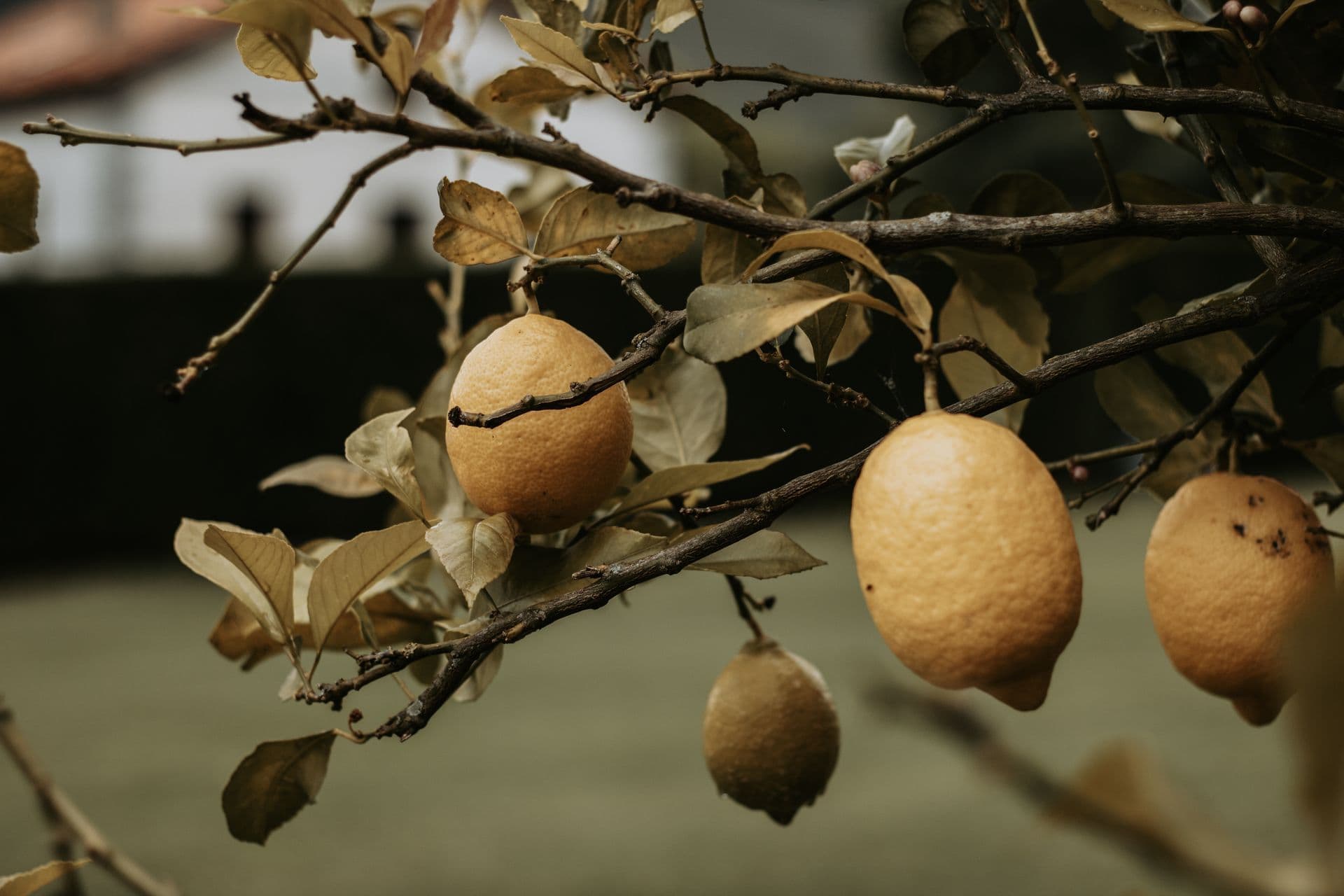
Lemon Tree Leaves Turning Yellow: Causes and How to Fix It
Yellow leaves are one of the most common lemon tree problems. This guide explains eight causes of lemon tree leaves turning yellow, from overwatering to root rot, with a fix for each.
5 min read · 16 Sept 2026
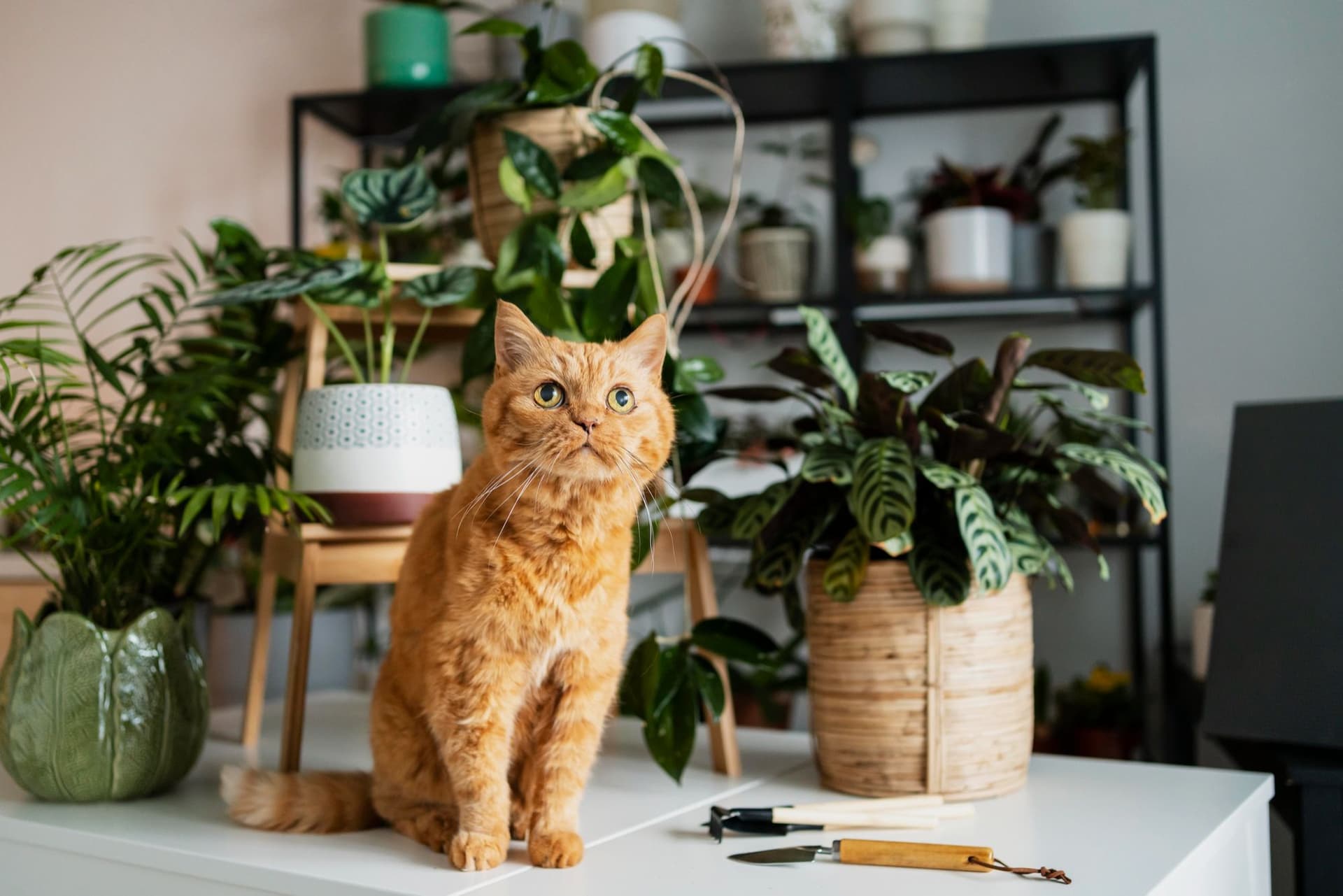
How to Keep Cats Away From Plants: 7 Safe and Effective Methods
Cats may dig in potting soil, chew leaves, or knock containers over. These seven methods combine safer placement, physical protection, a suitable chewing alternative, and play to help protect your plants without putting your cat at risk.
7 min read · 26 Aug 2026
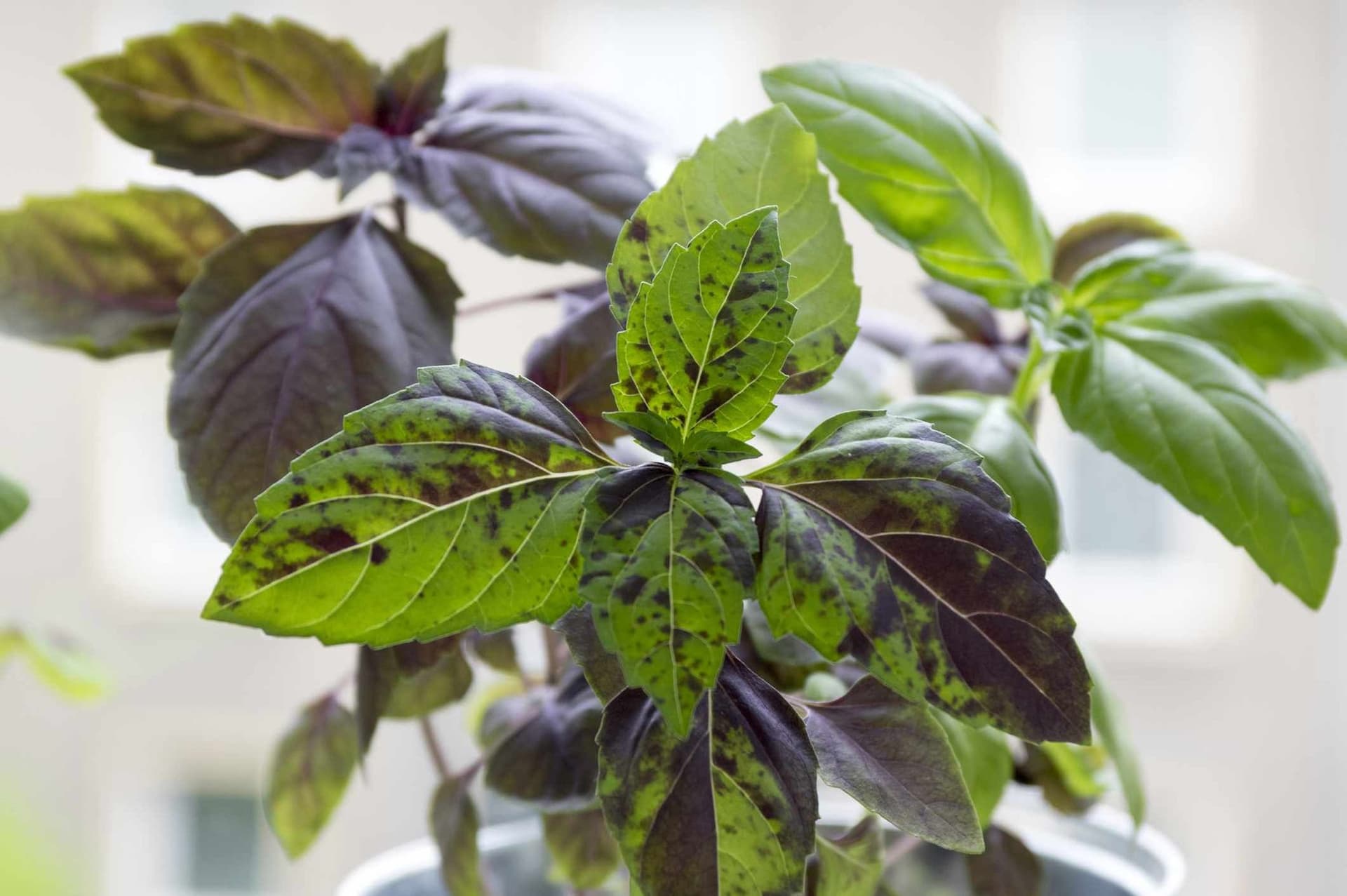
Brown Spots on Basil Leaves: Causes and How to Fix Them
Brown spots can appear after watering mistakes or disease. Cold exposure and pests leave a distinct pattern too. Learn how to diagnose damaged basil and prevent new marks.
Explore Plants by Care Needs
 POPULAR
Caladium lindenii
Caladium lindenii
 POPULAR
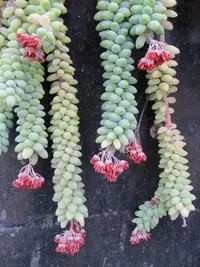
Burro's tail
Sedum burrito
 POPULAR
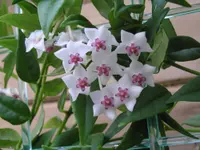
Miniature wax plant
Hoya bella
 POPULAR
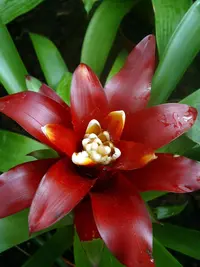
Droophead Tufted Airplant
Guzmania lingulata
 POPULAR
Mottled spurge
Euphorbia lactea
 POPULAR
Mexican Snowball
Echeveria elegans
 POPULAR
Rosary Vine
Ceropegia woodii
 POPULAR
Creeping philodendron
Rhaphidophora decursiva
Identify the plant and problem. Help your plant recover
Identify plant problems early, understand what's wrong, and get clear care guidance. Botan helps you turn guesswork into confident plant care