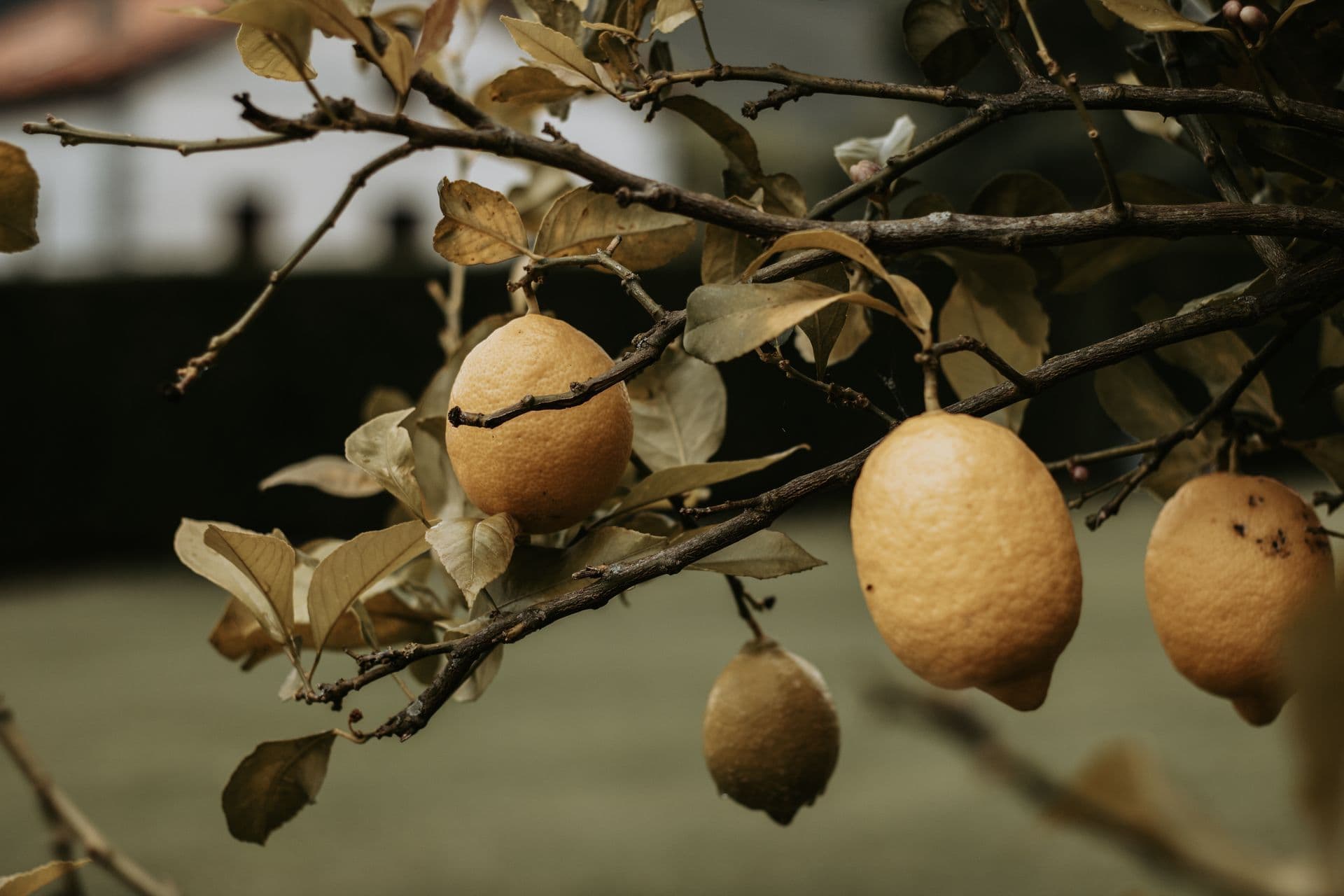
Lemon Tree Leaves Turning Yellow: Causes and How to Fix It
Yellow leaves are one of the most common lemon tree problems. This guide explains eight causes of lemon tree leaves turning yellow, from overwatering to root rot, with a fix for each.

On this page
- Why Are My Lemon Tree Leaves Turning Yellow?
- Reason 1: Overwatering
- Reason 2: Underwatering
- Reason 3: Nutrient Deficiency
- Reason 4: Poor Soil Drainage
- Reason 5: Not Enough Light
- Reason 6: Temperature Stress
- Reason 7: Pests
- Reason 8: Root Problems or Root Rot
- How to Fix Yellow Leaves on a Lemon Tree
- How to Prevent Lemon Tree Leaves From Turning Yellow
Just a month ago, your lemon tree looked perfect. Now the leaves are pale and dropping. So, you can ask, in this case, why are my lemon tree leaves turning yellow?
In most cases, the cause is watering errors, but nutrient deficiency can also be a reason. The Botan app can identify subtropical plants, including lemon trees (Citrus limon), from a single photo. Below, you will learn how to recognize specific signs of the problem and how to fix them.
Use this quick table to match what you see with a likely cause.
What you see | Likely cause |
Soft yellow leaves and soggy soil | Overwatering or poor drainage |
Dry, crispy yellow leaves | Underwatering |
Yellow older leaves, slow growth | Nitrogen deficiency |
Yellow young leaves with green veins | Iron deficiency |
Yellow edges with a green wedge at the base | Magnesium deficiency |
Sticky leaves or fine webbing | Pests |
Leaves drop after a cold night | Temperature stress |
Why Are My Lemon Tree Leaves Turning Yellow?
Lemon tree leaves turning yellow usually indicate care-related issues. The cause most often lies in watering, nutrition, lighting, temperature, pests, or the condition of the root system. Review the causes listed below and compare them with the condition of your tree.

Reason 1: Overwatering
Lemon trees do not tolerate waterlogged roots. If the soil remains excessively wet, the roots can't get oxygen and stop supplying nutrients to the leaves. Lemon tree yellow leaves are often the first warning sign. Here are the symptoms to look for:
- Leaves turn yellow, become soft, and drop easily
- Soil remains damp for several days after watering
- The pot remains heavy long after watering
- The soil emits a musty odor
- Small fungus gnats are flying around the pot
Allow the top 2 inches of soil (about 5 cm) to dry out before watering again. Then, water the plant thoroughly and empty the drainage tray 15 minutes later. Determine the need for watering by touch rather than by a schedule.
Reason 2: Underwatering
Yellow leaves on lemon tree branches first become dry and crispy. They can even curl inward before falling off. The pot becomes light, and the soil pulls away from the edges.
To revive the plant, water it slowly until water begins to flow out of the drainage holes. Wait 10 minutes and water again to make sure the root ball is thoroughly saturated. After that, water the tree as soon as the top 2 inches of soil (about 5 cm deep) feels dry. If growing the tree outdoors, a 2-inch layer of mulch will help slow down moisture evaporation.
Not sure what's hurting your tree?
Scan a leaf with Botan to make a quick diagnosis
Reason 3: Nutrient Deficiency
Citrus stands out on any list of trees due to their high need for nutrients. Lemon trees have high nutritional demands. Fruit and flower production rapidly depletes nutrient reserves. The specific pattern of leaf yellowing indicates which element is lacking.
Nitrogen Deficiency
Signs of nitrogen deficiency appear first on older lower leaves. The tree redirects nitrogen to young shoots, and causes the older leaves to suffer. The entire leaf, including the veins, in this case can turn from pale green to yellow. Overall growth slows, and new leaves remain small.
This type of deficiency is common in potted lemon trees, as frequent watering leaches nitrogen from the soil. During the active growing season, feed the tree with a citrus fertilizer every 4–6 weeks. Follow the dosage instructions on the package. Water the plant after fertilizing to make sure the nutrients reach the roots.
Iron Deficiency
Iron deficiency primarily affects young leaves. The areas between the leaf veins become yellow while the veins stay green — a symptom called interveinal chlorosis. Young leaves can become extremely pale or nearly white. Iron is often present in the soil, but the tree is unable to absorb it. High pH levels, as well as cold or waterlogged soil, hinder the absorption of this element.
If you grow lemons in pots, check the pH level every spring. Lemon trees behave well in slightly acidic to neutral soil. Using chelated iron according to the instructions will help restore leaf color within a few weeks.
Magnesium Deficiency
You can detect magnesium deficiency on older leaves. Yellow spots spread along the edges and between the veins. A wedge-shaped green area often remains at the base of the leaf. Sandy or highly acidic soils lose magnesium quickly.
Using a magnesium-containing citrus fertilizer usually solves the problem. Another option is Epsom salts (magnesium sulfate) — apply it only when the relevant symptoms are present.
Reason 4: Poor Soil Drainage
Poor drainage causes water to remain around the roots for too long. This may cause lemon tree leaves turning yellow soon, shortly after watering. Follow these steps to check and improve drainage:
- Make sure the pot has open drainage holes.
- Water the plant and observe whether the water drains away within a minute.
- Elevate the pot on feet or risers so that the saucer never holds standing water.
- Repot the plant using a citrus potting mix amended with perlite or coarse sand.
- If planting in the ground, plant on a raised mound and mix compost into heavy clay soil.
Keep in mind that good drainage helps prevent many water-related issues.

Reason 5: Not Enough Light
When there is insufficient sunlight, leaves lose chlorophyll and turn pale or yellow. Stunted growth and the appearance of thin shoots are also characteristic signs. The issue of lighting for indoor plants becomes particularly critical in winter due to shorter daylight hours. Here is what your lemon tree needs:
- 8 to 12 hours of bright light daily;
- Placement near a south-facing window (for indoor trees);
- Use of a full-spectrum grow light when natural light is poor;
- At least 6 hours of direct sunlight when kept outdoors;
- Rotating the pot a quarter-turn every week to ensure even growth.
Move the tree to a brighter location gradually to avoid leaf scorch.

Reason 6: Temperature Stress
Lemon trees thrive in consistent warmth, and they prefer temperatures between 65°F and 85°F (18–29°C). Frost damages the leaves and stems. Cold nights, drafts near doorways, and hot air from heaters can cause leaves to turn yellow and drop. Sudden temperature fluctuations and intense summer heat have the same effect.
Keep potted trees away from air vents and drafts near doorways. Bring them indoors before night temperatures drop below 50°F (10°C). In the spring, move them back outside gradually. During hot weather, provide afternoon shade and extra water. Cover trees planted in the ground when frost is forecast.
Reason 7: Pests
Pests suck the sap from leaves and stems. Deprived of sap, leaves lose their color and drop off. A severe infestation can quickly weaken a small tree. Suspect pests if you see lemon tree yellow leaves that look speckled or sticky. Watch out for the following pests:
- Spider mites leave tiny yellow speckles and fine webbing on the undersides of leaves.
- Aphids cluster on young shoots and leave behind sticky honeydew.
- Scale insects that look like small brown bumps on the plant's stems and leaf veins.
You can wash off light infestations with water, followed by spraying with insecticidal soap every 7-10 days until the pests are gone.
Reason 8: Root Problems or Root Rot
Root rot usually develops after the soil has been waterlogged for an extended period. Look out for the following signs:
- Leaves continue to yellow even after you have adjusted your watering routine
- The tree wilts despite the soil being moist
- New shoots grow slowly or not at all
- Roots appear brown and mushy rather than white or light brown
- The base of the trunk feels soft or looks dark
If the tree's condition worsens despite proper care, inspect the roots. Gently remove the plant from its pot and trim away any mushy roots using clean pruning shears. Repot the tree in fresh soil in spring.


Fix Plant Problems
Leaves turning yellow or falling off? Find the cause and solutions
How to Fix Yellow Leaves on a Lemon Tree
Yellow leaves on lemon tree branches need a diagnosis before any treatment. Follow these steps in order:
- Push a finger 2 inches into the soil to check moisture.
- Note where yellowing starts. Older leaves often point to nitrogen or magnesium. Young leaves often point to iron deficiency.
- Inspect leaf undersides and stems for pests.
- Confirm your tree's type. If the label is missing, identify a tree by its leaves and fruit.
- Fix the most likely cause, then wait 2-3 weeks.
Start by adjusting your watering routine and checking the drainage. If the signs point to a nutrient deficiency, provide the tree with more light or apply a citrus fertilizer.
How to Prevent Lemon Tree Leaves From Turning Yellow
Maintaining a consistent care routine helps prevent lemon leaves turning yellow. Here are six key rules:
- Water only when the top 2 inches of soil feel dry.
- Use a pot with drainage holes and a fast-draining citrus mix.
- Give the tree bright sunlight for most of the day.
- Apply citrus fertilizer during spring and summer growth.
- Check leaf undersides weekly for mites, aphids, and scale.
- Keep stable temperatures and get your lemon tree away from drafts and heaters.
Reminders from one of the best plant care apps can help you keep this routine.
FAQ
Look for soft, yellow leaves that drop easily. The soil stays wet for days and may smell musty. Push a finger 2 inches into the soil. If it feels wet, you should wait before watering.
Anastasiia Vasylchyshyna
Botanist
5+ of botanical experience
Anastasiia Vasylchyshyna studied biology at Taras Shevchenko National University of Kyiv, at the Educational and Scientific Center "Institute of Biology and Medicine." That academic grounding shaped how she approaches every article: start with the science, end with something a plant owner can actually act on.
Over the years, she's written dozens of articles on plant care and plant pathology — covering everything from seasonal plant picks, garden prep, propagation and pruning guides, and the everyday mistakes that harm houseplants. Her goal isn't just to answer a question, but to help readers understand why a plant behaves the way it does, so they can spot problems on their own next time.
Related Articles

5 min read · 16 Sept 2026
How to Keep Cats Away From Plants: 7 Safe and Effective Methods
Cats may dig in potting soil, chew leaves, or knock containers over. These seven methods combine safer placement, physical protection, a suitable chewing alternative, and play to help protect your plants without putting your cat at risk.
5 min read · 7 Sept 2026
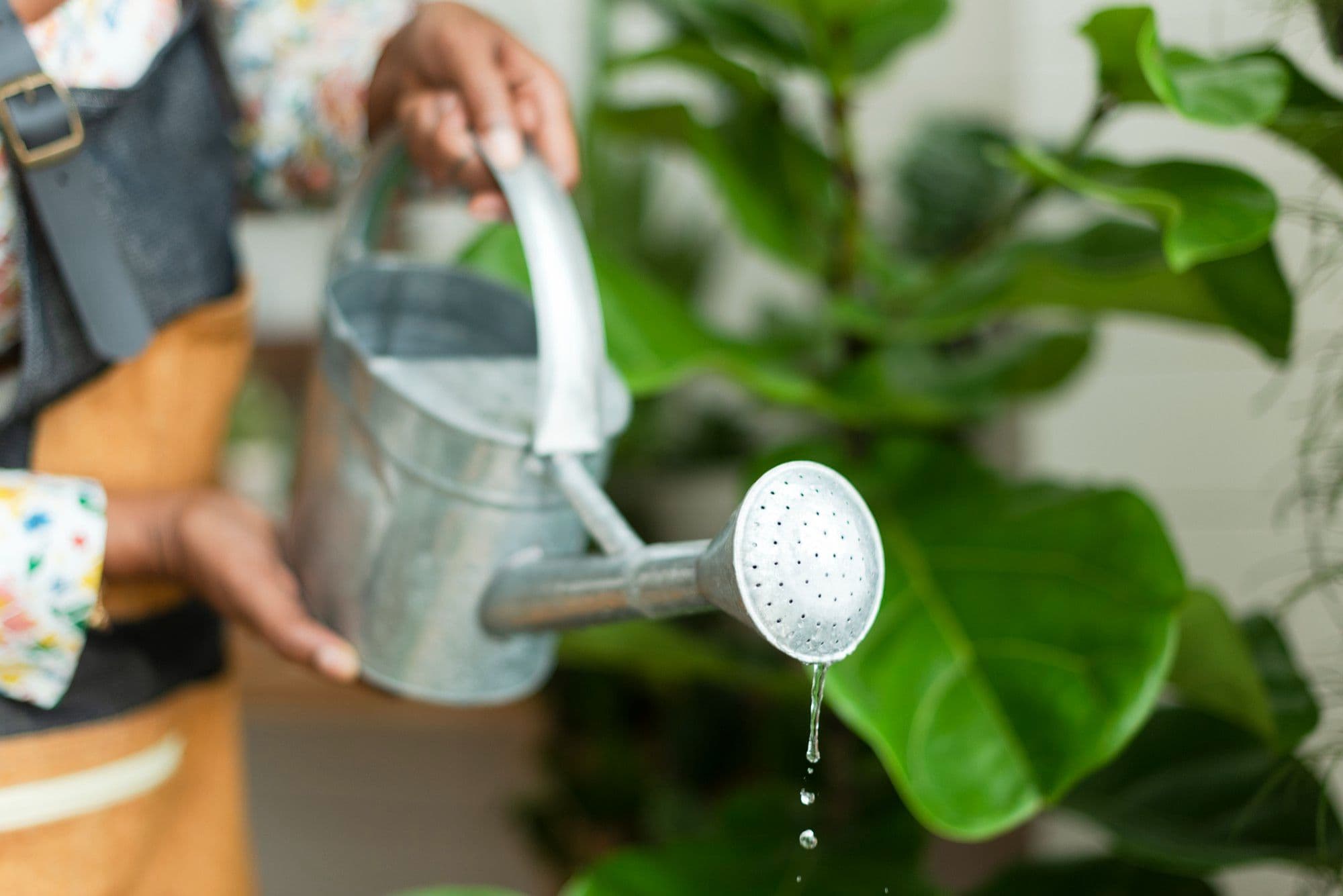
Overwatering vs Underwatering: How to Tell the Difference
Overwatering and underwatering can look almost identical, so they're easy to confuse. In this guide, we'll cover the signs of each, simple ways to tell them apart, and how to treat your plant once you know what's wrong.
7 min read · 26 Aug 2026
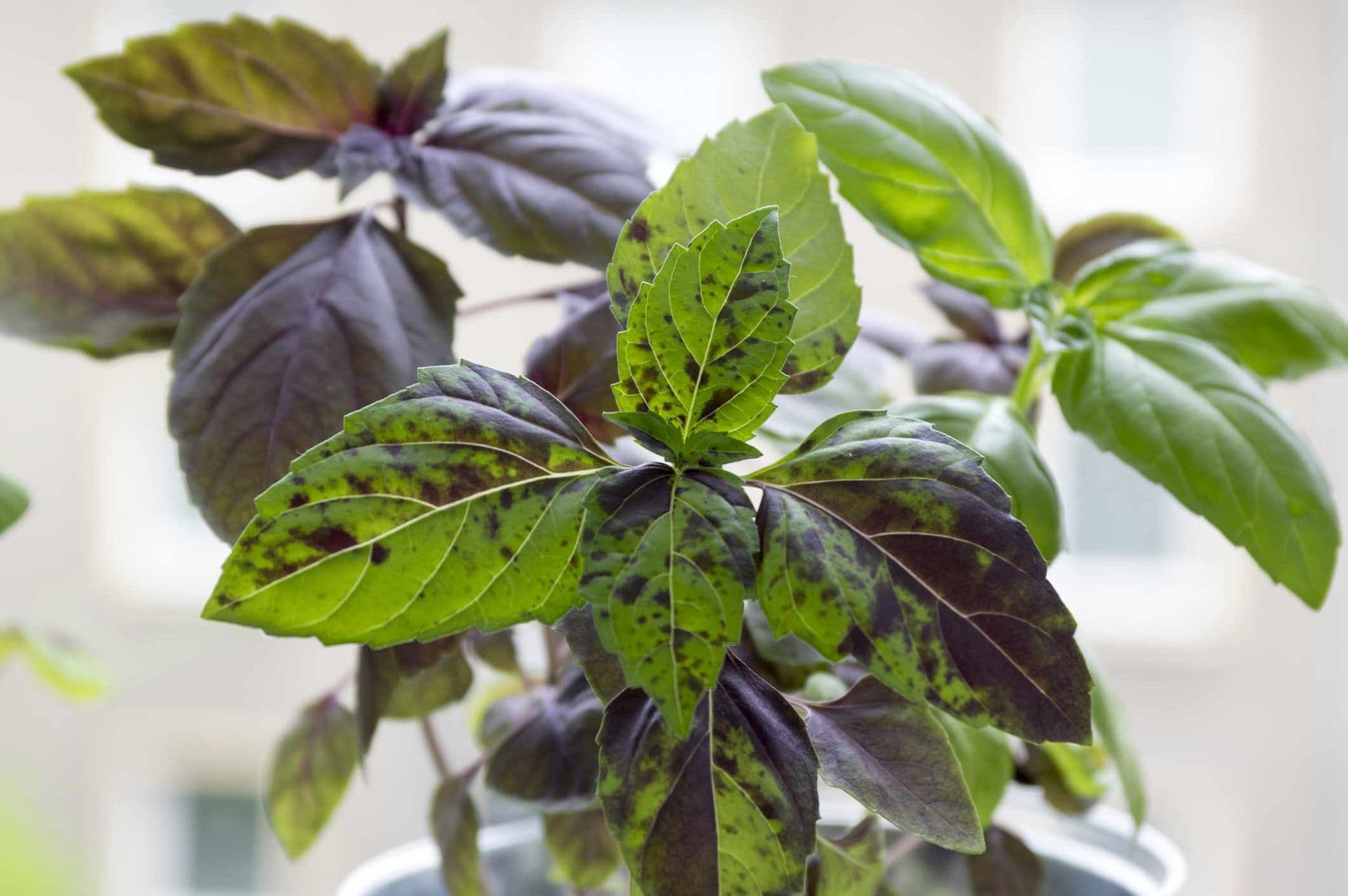
Brown Spots on Basil Leaves: Causes and How to Fix Them
Brown spots can appear after watering mistakes or disease. Cold exposure and pests leave a distinct pattern too. Learn how to diagnose damaged basil and prevent new marks.
Explore Plants by Care Needs


Identify the plant and problem. Help your plant recover
Identify plant problems early, understand what's wrong, and get clear care guidance. Botan helps you turn guesswork into confident plant care