Deer Damage to Trees: How to Protect Plants in Your Garden
Every fall, gardeners and landowners find young trees with shredded bark, snapped branches and bare patches on the trunk. What to do?


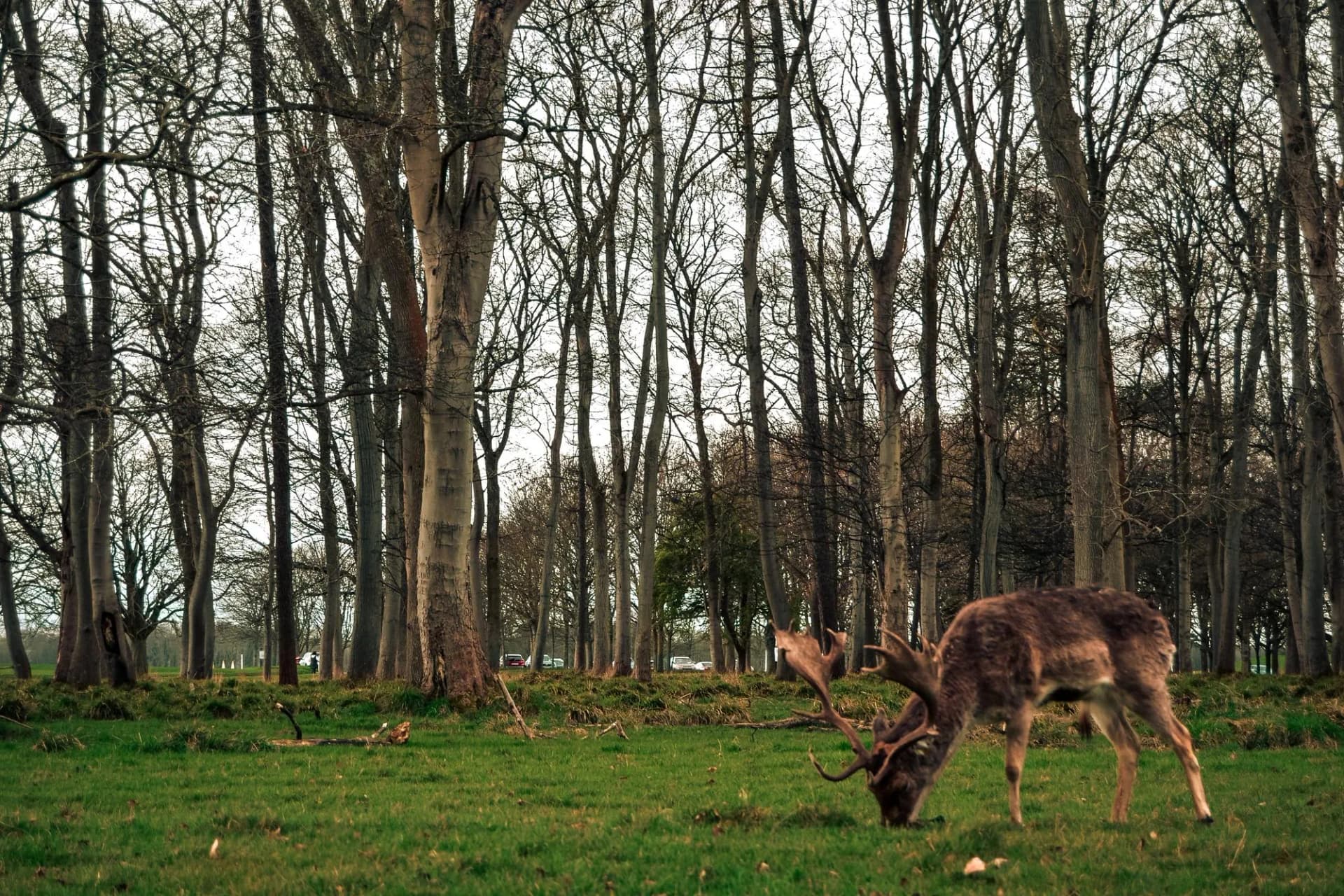
In most cases, this deer damage to trees is caused by male deer rubbing their antlers ahead of the mating season. The damage is predictable, and the right protection prevents most of it.
Start protecting young species in August to September. Enclose each tree wire cage with a guard, and spray an odor-based repellent on the foliage and the surrounding perimeter.
How to Protect Trees from Deer Damage: Easy-to-Follow Methods
Deer damage to young trees is easiest to prevent if protection goes up before the rubbing season starts. Start before male deer begin rubbing their antlers.
At that size, the trunk is sturdy enough to withstand occasional rubbing, and the foliage is mostly out of reach.

Wire Cages with Guards
Enclose young trees in wire cages about 6 to 8 ft tall, fitted with tree guards. Leave space between the mesh and the foliage so that even the foliage cannot be eaten through the wire.
Odor-Based Deer Repellents
Along with the wire cages, spray odor-based deer repellents directly on the foliage and around the surrounding perimeter. Once deer smell the odor, it keeps them from even getting near the tree. Most repellents wash off over time, so follow the label for how often to reapply, especially after rain.
Deer Fencing
Deer fencing does protect young plants, because deer would have to force their way in to reach them. The key, according to Mendoza, is to make sure the fence is sturdy.
Have Problems with Plants?
Snap a photo and find the reason and solutions

Fix Plant Problems
Leaves turning yellow or falling off? Find the cause and solutions
Why Deer Damage Happens in Fall
Male deer specifically scrape their antlers between September and November to shed velvet and mark their territories as they prepare for the rut (mating season).
Young plants with thin, smooth bark are an easy target, which is why deer rubbing trees damage peaks in autumn.
How to recognize damage:
- Rubbing: bark shredded or stripped from one side of the trunk, usually between about 1 and 4 ft above the ground, with frayed strips hanging down and broken side branches.
- Browsing: ragged, torn tips on shoots and buds. Deer have no upper front teeth, so they tear rather than cut cleanly.
- Timing: fresh rubs appear from late summer through November. Browsing continues all year and gets worse in winter.
If the bark damage does not match these patterns, a pest or disease may be the cause instead. Checking the species in the Botan tree catalog helps narrow down which problems are common for it.

What Doesn't Work to Keep Deer Away
Noisemakers, reflective tape, and reflective pie pans are popular deterrents, but they are not very effective over time. Deer can learn to ignore or work around these methods within about a week, so they should not be used as a replacement for physical barriers or repellents.
More reliable options include wire cages and foliar odor-based repellents. These methods help protect young trees without harming deer.
For the best long-term results, focus on humane barriers and repellents that protect the tree consistently rather than temporary scare tactics.

How to Recover Trees after Deer Damage
If you wonder “can trees recover from deer damage?” — in most cases, yes, you can save your garden, but it depends on how much bark is gone:
- Partial damage (bark stripped from one side): the plant usually survives. It seals the wound by growing callus tissue from the edges over the next few seasons.
- Girdling (bark removed around the full circumference): the tree cannot move water and nutrients past the wound, and the part above it usually dies. Young plants may resprout from below the damage.
- Browsed or snapped leaders: the tree can recover its shape if a strong side shoot is trained as the new leader.
The sooner you assess the damage, the better your chances of helping it recover. Even when the injury looks severe, partial bark damage or a broken leader does not always mean the tree is lost.
FAQ
Not necessarily. Trees with bark missing on one side usually recover, while a trunk girdled all the way around typically dies above the wound.
Ian Mendoza
Horticulturist
8+ years of experience working with, studying, and writing well-researched articles about plants.
Ian Mendoza is a licensed Forester, landscape designer, estimator, and environmental consultant with over 8 years of professional experience in forestry, horticulture, landscape design, and urban greening.
He earned his Bachelor's degree in Forestry from the University of the Philippines Los Baños and completed a Diploma in Landscape Studies at the University of the Philippines College of Architecture. He is currently pursuing a Master of Tropical Landscape Architecture at the University of the Philippines Diliman, where he continues to research sustainable landscapes, native biodiversity, and ecological restoration.
Throughout his career, Ian has worked on projects ranging from residential gardens and commercial landscapes to forestry consulting and landscape operations in the Philippines, the United States, and the United Kingdom. As the founder of Native Ground, he advocates for landscapes that celebrate Philippine native plants while balancing beauty, biodiversity, and long-term sustainability.
His articles combine scientific research with practical experience, making complex landscape and environmental topics accessible to homeowners, property developers, and fellow professionals. Whether discussing native trees, landscape design, plant care, or ecological restoration, Ian aims to inspire people to create outdoor spaces that are both functional and environmentally responsible.
Related Articles
8 min read · 1 Oct 2026
Lemon Tree Leaves Turning Yellow: Causes and How to Fix It
Yellow leaves are one of the most common lemon tree problems. This guide explains eight causes of lemon tree leaves turning yellow, from overwatering to root rot, with a fix for each.

5 min read · 16 Sept 2026
How to Keep Cats Away From Plants: 7 Safe and Effective Methods
Cats may dig in potting soil, chew leaves, or knock containers over. These seven methods combine safer placement, physical protection, a suitable chewing alternative, and play to help protect your plants without putting your cat at risk.
5 min read · 7 Sept 2026
Overwatering vs Underwatering: How to Tell the Difference
Overwatering and underwatering can look almost identical, so they're easy to confuse. In this guide, we'll cover the signs of each, simple ways to tell them apart, and how to treat your plant once you know what's wrong.
Explore Plants by Care Needs

Identify the plant and problem. Help your plant recover
Identify plant problems early, understand what's wrong, and get clear care guidance. Botan helps you turn guesswork into confident plant care