Cedar Care (Cedrela fissilis)

Also known as: Brazilian Cedarwood
Cedar

About Cedar

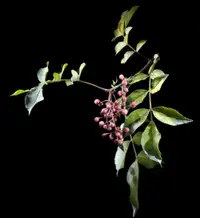
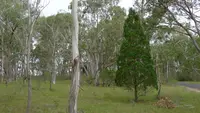
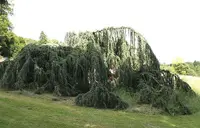
Cedrela fissilis, often called cedar or Brazilian cedarwood, is a fast-growing deciduous tree valued for its straight trunk and fine-textured, pinnate leaves. It develops a tall, upright crown and can become a substantial shade tree in suitable climates.

This species is native to tropical and subtropical regions of South America, where it grows in warm forests with distinct wet and dry seasons. It is generally considered moderately easy to grow if provided with sun, well-drained soil, and consistent moisture during establishment.

Gardeners who care for Cedar should note that it prefers frost-free or only mildly frosty conditions and benefits from protection from strong, drying winds when young.

Main Plant Requirements

Care Difficulty

Moderate Care

Light Preference

Full Sun

Water Requirements

Moderate Water

Temperature Preference

Warm Climate

Hardiness Zone

10–12

Soil Texture

Sandy, Loamy, Organic-rich

Soil pH

Acidic (5.5–6.5), Slightly acidic (6.5–7.0)

Soil Drainage

Moist but well-drained

Fertilization

Minimal (feed rarely)

Get Personalized Care Plan

Scan your plant to receive care tips personalized for your specific plant

Available on iOS and Android

How to Care for the Cedar

Cedrela fissilis grows best in bright outdoor conditions with protection from harsh extremes of sun exposure.

  • Provide 4–6 hours of direct morning sun with light afternoon shade, or bright filtered light all day in hotter regions.
  • Young trees tolerate partial shade, but growth slows with less than 3–4 hours of direct light and can become sparse or leggy.
  • In summer, avoid intense midday sun in very hot climates to prevent leaf scorch; in winter, maximize sun exposure to support steady growth.

Cedrela fissilis prefers evenly moist, well-drained soil and reacts quickly to extremes of drought or saturation.

  • Water when the top 3–5 cm of soil feel dry, using deep, slow watering so moisture penetrates the root zone rather than frequent light splashes.
  • In spring and summer, expect to water more often during active growth and heat; reduce frequency in cooler months while preventing the soil from drying out completely.
  • Watch for yellowing, soft leaves or persistent wet soil as overwatering signs, and for curling, brittle leaves or cracked dry soil as underwatering signs.

This species thrives in warm, frost-free climates and is sensitive to prolonged cold.

  • Aim for an optimal growing range of 68–86°F (20–30°C), where growth and leaf development are most consistent.
  • Protect from temperatures below 40°F (4°C); brief drops to 32°F (0°C) may be survived by mature trees but can damage young growth and tips.
  • Cedrela fissilis tolerates short heat waves up to about 95°F (35°C) if soil moisture is stable, but extended extreme heat with dry soil can cause leaf scorch and stress.

Cedrela fissilis prefers moderate air moisture but adapts to a range of household and outdoor conditions.

  • Aim for 40–60% humidity; it endures brief dips lower but prolonged very dry air slows growth and increases leaf edge browning.
  • Cedar in heated, dry rooms may show crispy leaf tips or marginal scorch as early signs of humidity stress.
  • Increase humidity by grouping plants, placing containers over pebble trays with water below the pot base, or using a room humidifier in very dry climates.

Cedrela fissilis develops best in loose, deep, and evenly moist mineral soil that does not stay waterlogged.

  • Use a loamy mix combining roughly 50% garden loam, 30% compost, and 20% coarse material such as perlite, pumice, or sharp sand for structure and drainage.
  • Maintain slightly acidic to neutral pH, around 6.0–7.0, to support nutrient availability and steady root development.
  • Improve aeration by blending in coarse particles rather than fine peat alone, which can compact and restrict oxygen around the roots over time.
  • Avoid heavy, sticky clay or low spots where water collects, since persistent saturation encourages root rot and stunted growth.

This species can be grown in large containers for the early years, but it eventually prefers in-ground planting due to its size and root vigor.

  • Choose a wide, heavy container to counterbalance the developing woody canopy and reduce the risk of tipping in wind.
  • Use a deep pot that allows a strong taproot and structural roots to extend downward without circling tightly.
  • Select thicker-walled or non-porous pots in hot climates to reduce rapid moisture loss and temperature swings around the root zone.

Cedrela fissilis benefits from moderate, well-timed nutrition, especially in its early growth stages.

  • Use a balanced slow-release fertilizer (around 10-10-10) or well-rotted compost mixed into the root zone in spring.
  • Feed young trees 1–2 times per growing season; mature trees in good soil often need little added fertilizer.
  • Apply at half the label rate for container or stressed plants to avoid salt burn and excessive soft growth.
  • Stop feeding in late summer so new growth hardens before cooler weather, reducing cold and disease stress.

Cedrela fissilis responds well to light structural pruning that focuses on health and safe form.

  • Schedule main pruning in late winter or very early spring before vigorous new growth starts.
  • Remove dead, diseased, rubbing, or storm-damaged branches first using clean, sharp bypass pruners or a pruning saw.
  • Thin crowded interior branches selectively to improve airflow and light penetration without over-opening the canopy.
  • Guide young trees by choosing a single strong leader and well-spaced scaffold branches to build a stable structure.

Cedrela fissilis is usually grown in the ground, so transplanting from nursery containers is more relevant than long-term repotting.

  • Plan transplanting for early spring or early fall when temperatures are mild and soil is workable.
  • Look for roots circling the container or pushing through drainage holes as a sign the tree is ready to move.
  • Dig a wide planting hole, loosen circling roots gently, and set the root flare level with the soil surface.
  • Water slowly and deeply after planting, then keep soil evenly moist and mulch 5–8 cm thick to reduce root stress.

Cedrela fissilis is most often propagated from seed, which requires some preparation for good germination.

  • Collect mature seeds from healthy trees and sow them fresh where possible for higher viability.
  • Scarify or nick the hard seed coat lightly, then soak seeds in lukewarm water for 12–24 hours before sowing.
  • Sow in a free-draining mix, keep at 70–80°F, and maintain consistent but not waterlogged moisture.
  • Provide bright, indirect light and good air flow for seedlings, potting on carefully once roots fill small cells.

Cedrela fissilis prefers warm climates and has limited frost tolerance, so some winter attention is useful in cooler regions.

  • In-ground trees in marginal climates benefit from 5–8 cm of organic mulch over the root zone, kept away from the trunk.
  • Young trunks can be wrapped with breathable tree wrap to reduce bark cracking during light freezes.
  • Move container-grown Cedar to a bright, frost-free, sheltered space when temperatures approach freezing.

Care Tips

Seedling root training

When transplanting young trees from containers, gently tease apart circling roots and spread them outward in the planting hole to reduce future girdling and promote a wide, stable root system.


Windward staking method

In windy sites, place 1–2 stakes on the windward side and use soft, flexible ties in a loose figure-eight so the trunk can sway slightly, which strengthens wood while still preventing lean or uprooting.

Formative crown pruning

During the first 3–5 years, remove only competing leaders and very low branches, leaving a single dominant central leader and well-spaced scaffold branches to build a strong, storm‑resistant crown.

Mulch buffer ring

Maintain a 5–10 cm deep ring of organic mulch extending at least to the dripline but always 5–8 cm away from the trunk to moderate soil temperature, conserve moisture, and reduce mower or string‑trimmer damage.

Seasonal pest scouting

From late spring through early autumn, inspect new flushes of growth and the undersides of leaves every 2–3 weeks for sap‑sucking insects or chewing damage so that any infestation is detected early and controlled with the least disruptive treatment while growing Cedar.

Everything About Cedar

Common Pests and Diseases

Shoot borer

This pest attacks young shoots and terminals, causing wilting, dieback, and deformed new growth in young and plantation trees.

Solution

Prune and destroy infested shoots to remove larvae, maintain good spacing and pruning to reduce dense canopies, and use pheromone or light traps to monitor adult moth activity; in plantations, targeted application of a registered systemic insecticide into the shoot zone can help protect new flushes when monitored pressure is high.

Bark-boring beetles

These insects tunnel under the bark of stressed or newly felled trees, producing small entry holes, powdery frass, and progressive branch or stem decline.

Solution

Improve plant vigor through regular watering during dry periods and balanced fertilization, promptly remove and destroy heavily infested or dead material, avoid leaving fresh logs or stumps on site, and, in high-value trees, use trunk sprays or systemic insecticides timed to local beetle flight periods as indicated by traps or extension guidance.

Leaf-chewing caterpillars

This pest feeds heavily on compound leaves, creating irregular holes or complete defoliation of young Cedrela fissilis plants in nursery and early field stages.

Solution

Hand-pick visible larvae on small trees, encourage natural predators by avoiding broad-spectrum insecticides, and apply a biological product based on Bacillus thuringiensis (Bt) to foliage in the evening when monitoring shows fresh feeding damage on new leaves.

Leaf spot

This disease causes small brown to dark lesions on leaflets that may coalesce, leading to premature yellowing and partial defoliation, especially in humid, crowded conditions.

Solution

Remove and discard fallen and infected leaves to reduce inoculum, keep the canopy well ventilated through correct spacing and pruning, water at soil level instead of overhead, and, in persistent humid climates, apply a copper- or chlorothalonil-based fungicide according to label directions during peak infection periods.

Pink disease

This disease, caused by the fungus Erythricium salmonicolor, affects branches and stems, forming pinkish fungal crusts, dieback, and eventual branch death in warm, moist climates.

Solution

Prune and destroy affected twigs and branches back to healthy tissue during dry weather, avoid overhead irrigation that keeps bark wet, disinfect pruning tools between cuts, and in high-risk plantation areas consider protective fungicide applications on pruning wounds and main scaffolds following local forest health recommendations for Cedrela fissilis care.

Interesting Facts

Major neotropical canopy tree

This species is a large deciduous tree native to South American seasonal forests, where mature individuals can form part of the upper canopy and influence local light and moisture conditions for many other organisms.

Specialist wood wasp host

Cedrela fissilis is a known host for the introduced wood wasp Sirex noctilio in parts of South America, and plantations of this tree can play a role in the pest’s life cycle and spread.

Heavy logging pressure

Due to its valuable, moderately light and workable timber used for furniture and joinery, this species has experienced intense selective logging in much of its native range, contributing to population decline and fragmented natural stands.
Botan icon

Did you know?

Cedrela fissilis is assessed as Vulnerable on the IUCN Red List because extensive timber exploitation and habitat conversion have caused marked reduction in its natural populations across several South American countries.

FAQs about Cedar

This species shows moderately fast growth under warm, frost‑free conditions, often adding 40–80 cm in height per year when young. Growth slows as the trunk thickens. Poor soil, drought, or root disturbance significantly reduce annual extension.

Grow Healthy Plants with Botan Care

Keep your plants happy and healthy with plant identification, disease detection, and easy care guidance.

Botan plant care app — identify plants on mobile

Explore More Plants