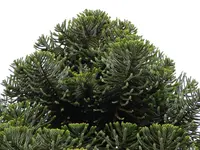
Shelter From Wind
Site plants where taller shrubs, fences, or windbreaks reduce strong, drying winds, which helps young Illawarra cypress-pines keep flexible, upright leaders and avoid root rock in loose, sandy soils.

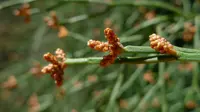
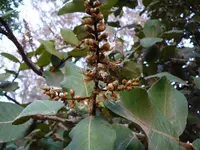
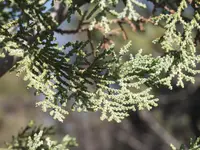
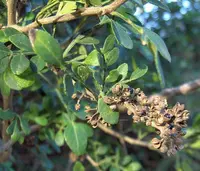
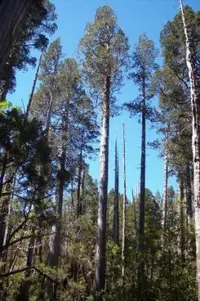
Illawarra cypress-pine (Callitris muelleri) is a small to medium conifer native to eastern Australia, mainly found in New South Wales and Queensland. It typically forms a narrow, upright tree with fine, scale-like foliage and small woody cones.
In gardens it is usually slow growing and prefers sunny, open positions with well-drained, often sandy or stony soils. Once established, it shows good drought tolerance but can struggle in waterlogged or very humid conditions.
These traits make it relatively low maintenance in suitable climates but less adaptable to very cold or wet regions. Understanding how to care for Illawarra Cypress-pine starts with matching its need for bright light and dry, free-draining soil.

Care Difficulty
Moderate Care

Light Preference
Full Sun

Water Requirements
Low Water

Temperature Preference
Warm Climate

Hardiness Zone
9–11

Soil Texture
Sandy, Loamy, Rocky

Soil pH
Slightly acidic (6.5–7.0), Neutral (7.0)

Soil Drainage
Well-drained

Fertilization
Minimal (feed rarely)
Scan your plant to receive care tips personalized for your specific plant
Available on iOS and Android
Callitris muelleri prefers consistent sun exposure suited to its native open woodland habitat.
This species prefers well-drained soil and moderate, infrequent watering once established.
This conifer tolerates a broad temperature range but grows best in mild to warm conditions.
Callitris muelleri tolerates a wide humidity range and usually does not need special humidity management in typical home or outdoor conditions.
This species prefers mineral, freely draining soil that mimics its native, often rocky habitats.
This species can be grown in containers for several years if the pot is managed for stability and fast drainage.
This slow-growing Illawarra Cypress-pine usually needs minimal fertilization in the ground if soil is moderately fertile.
Pruning Callitris muelleri is light and mainly corrective, aimed at maintaining a stable, natural form.
This species is most often planted in the ground, so care focuses on thoughtful transplanting rather than frequent repotting.
Propagation of Callitris muelleri is possible but somewhat specialized, most often done from seed by experienced growers.
This species is generally cold hardy in mild to moderate climates and often needs little specialized winter attention.

Plant Health Check
Not sure what's wrong with your plant? Check your plant's health inside the app.
This species is naturally restricted to sandstone-based habitats in eastern New South Wales, where it grows on nutrient-poor, often skeletal soils that many other trees cannot tolerate.
Unlike some Australian conifers that resprout after fire, this species is typically killed by intense bushfires, so its scattered populations depend on low fire frequency to persist.
Its distribution is highly patchy, occurring in small, often isolated stands, which makes local populations vulnerable to habitat disturbance and changes in land use.
Container culture is possible while the plant is young. Use a deep, heavy pot, sharply drained sandy mix, and provide full sun outdoors. Expect slower growth and plan to eventually transplant into open ground once roots fill the container.
Keep your plants happy and healthy with plant identification, disease detection, and easy care guidance.