Wind exposure management
Site young trees where they have some shelter from strong winter winds, or use temporary windbreak fabric for the first 2–3 years to reduce desiccation and needle browning.

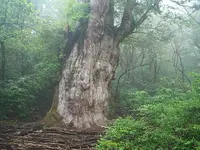
Japanese cedar, Cryptomeria japonica, is an evergreen conifer grown as both a landscape tree and a smaller ornamental in gardens and containers. It has soft, awl-like needles, dense foliage, and a naturally conical or columnar shape that can become quite tall in the ground.
This species is native to Japan and parts of China, where it forms large forest stands and is valued as a timber tree. In cultivation, it is relatively undemanding if given consistent moisture, good drainage, and protection from extreme heat or drying winds.
Gardeners who learn how to care for Japanese cedar usually find it a long-lived, low-maintenance structural plant in mild climates.

Care Difficulty
Moderate Care

Light Preference
Full Sun

Water Requirements
Regular Water

Temperature Preference
Cold Hardy

Hardiness Zone
5–9

Soil Texture
Loamy, Sandy, Clay

Soil pH
Strongly acidic (4.5–5.5), Acidic (5.5–6.5)

Soil Drainage
Moist but well-drained

Fertilization
Minimal (feed rarely)
Scan your plant to receive care tips personalized for your specific plant
Available on iOS and Android
This conifer prefers bright outdoor conditions that balance strong light with some protection.
This species prefers evenly moist, cool soil that never stays waterlogged.
This conifer is cold hardy yet benefits from moderate, stable temperatures for best growth.
This conifer prefers moderate to high humidity and reacts to prolonged dry air, especially in containers.
This species needs consistently moist, well-aerated soil that does not stay waterlogged.
This species can be grown in containers for several years if the pot is sized and stabilized carefully.
Cryptomeria japonica benefits from light, steady nutrition rather than heavy feeding.
Pruning Cryptomeria japonica focuses on maintaining structure and removing problem wood rather than heavy reshaping.
Cryptomeria japonica is usually grown in the ground, so transplanting method and timing are more important than frequent repotting.
Propagation of Cryptomeria japonica is usually done by semi-hardwood cuttings, with seeds used mainly by nurseries.
Cryptomeria japonica is cold hardy in much of the US but young or potted plants benefit from simple winter care.

Plant Health Check
Not sure what's wrong with your plant? Check your plant's health inside the app.
This species is the only living member of its genus, Cryptomeria, and is closely related to the coast redwood and giant sequoia within the cypress family (Cupressaceae).
Known as sugi in Japan, it is widely planted around temples and shrines, and has been used for centuries in traditional architecture, including temples, pagodas, and wooden sake barrels, due to its light, durable, and pleasantly scented wood.
In the wild, it occurs in humid, misty mountain forests in Japan, forming pure or mixed stands that can reach the upper canopy, which is important to understand for Cryptomeria japonica care in gardens and managed landscapes.

Some historical Cryptomeria japonica avenue plantings in Japan, such as the cedar-lined approaches to the Nikko Toshogu Shrine, contain individual trees estimated to be several hundred years old, forming monumental living corridors that are now protected cultural landscapes.
This species usually grows about 30–60 cm per year in good conditions, slower in poor sites. Growth is fastest in deep, moist, slightly acidic soil with shelter from harsh wind and intense, drying sun.
Keep your plants happy and healthy with plant identification, disease detection, and easy care guidance.