Silver Dollar Gum Care (Eucalyptus polyanthemos)

Also known as: Silver Dollar Gum
Silver Dollar Gum

About Silver Dollar Gum

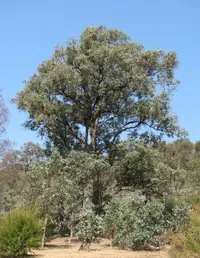
Silver dollar gum, Eucalyptus polyanthemos, is a fast-growing evergreen tree valued for its round, blue-green juvenile leaves and smooth, peeling bark. It is often grown as an ornamental feature tree or for foliage cutting. In its native habitat in southeastern Australia, it can reach substantial heights, forming an open, airy canopy. In gardens, it may be managed as a smaller tree or large shrub through pruning. The species prefers sunny, open positions, well-drained soil, and moderate moisture. Once established, it tolerates heat, short dry periods, and light frost, which makes it relatively resilient for those learning how to care for Silver Dollar Gum.

Main Plant Requirements

Care Difficulty

Moderate Care

Light Preference

Full Sun

Water Requirements

Low Water

Temperature Preference

Warm Climate

Hardiness Zone

8–10

Soil Texture

Sandy, Loamy, Rocky

Soil pH

Acidic (5.5–6.5), Slightly acidic (6.5–7.0)

Soil Drainage

Well-drained

Fertilization

Minimal (feed rarely)

Get Personalized Care Plan

Scan your plant to receive care tips personalized for your specific plant

Available on iOS and Android

How to Care for the Silver Dollar Gum

This species prefers bright, open conditions similar to its native Australian habitats.

  • Provide 6–8 hours of direct sun daily; young trees benefit from morning sun with some protection from intense late-afternoon summer sun in very hot climates.
  • Plants tolerate light or dappled shade for part of the day, but prolonged shade leads to sparse branching and reduced Silver Dollar Gum foliage density.
  • In cooler seasons, maximize sun exposure by avoiding shade from buildings or larger trees, as low winter light can slow growth and thin the canopy.

Eucalyptus polyanthemos prefers infrequent, deep watering once established.

  • For in-ground plants, water only when the top 5–8 cm of soil is dry, then soak the root zone thoroughly to encourage deep rooting and drought tolerance.
  • Use sharply drained soil; persistent puddling, sour smell, or yellowing, soft leaves indicate overwatering and possible root rot risk.
  • In the first 1–2 growing seasons, water more often during hot, dry periods, but reduce frequency once growth is vigorous and leaves stay firm between waterings.

This species thrives in warm, temperate climates with mild winters.

  • Optimal growth occurs around 65–80°F (18–27°C), with active shoot extension and good leaf color in these conditions.
  • Mature trees tolerate brief drops near 20–25°F (-6 to -4°C), but young plants are more tender and can suffer leaf burn or dieback from hard frost.
  • Heat tolerance is high up to about 95–100°F (35–38°C) if soil is not waterlogged; provide extra water during heat waves and avoid planting in frost pockets.

This species handles typical household humidity but performs best in moderately dry air.

  • Aim for 30–50% humidity; avoid sustained conditions above 60% to reduce fungal risk.
  • Silver Dollar Gum tolerates dry indoor air, so humidifiers are rarely necessary.
  • Watch for black spotting or fuzzy growth on leaves as a sign humidity is too high; improve air flow and avoid crowding around the plant.

Eucalyptus polyanthemos prefers lean, well-aerated, fast-draining soil that does not stay wet.

  • Use a gritty mix such as 50% general potting mix, 25% coarse sand, and 25% fine bark or perlite to enhance drainage and aeration.
  • Aim for slightly acidic to neutral pH around 6.0–7.0, avoiding highly alkaline substrates that can limit nutrient availability.
  • Avoid heavy clay or peat-heavy mixes that hold water and collapse, which suffocates roots and encourages root rot.
  • On dense native ground, improve structure by incorporating coarse sand and fine gravel into the top 20–30 cm before planting.

This species can be grown in containers when given enough root space and excellent drainage.

  • Choose a deep, heavy pot (ceramic or thick terracotta) to stabilize the tall, wind-catching canopy and reduce tipping risk.
  • Select a container only 5–10 cm wider than the root system to limit excessive moisture retention in unused mix.
  • Raise the pot on feet or bricks so drainage holes stay clear and water can exit quickly after irrigation.

Eucalyptus polyanthemos grows well in reasonably fertile soil and usually needs only light supplemental feeding in containers or very poor ground.

  • Use a balanced slow-release fertilizer (around 10-10-10) or well-rotted compost for potted or young Silver Dollar Gum in spring.
  • Feed container plants every 6–8 weeks during the growing season at half the label strength to avoid salt buildup.
  • On established in-ground trees, apply a light compost layer once a year if growth appears weak, then water in well.
  • Stop feeding in late summer and avoid fertilizing during winter dormancy to prevent soft, cold-sensitive growth.

Pruning Eucalyptus polyanthemos helps control size, encourage a strong framework, and maintain accessibly juvenile foliage.

  • Carry out main pruning in late winter to early spring before vigorous new growth starts.
  • Remove dead, damaged, crossing, or crowded branches using clean, sharp bypass pruners or loppers.
  • Shorten or thin longer shoots to shape the canopy and improve light and air movement through the crown.
  • For smaller plants grown for foliage, coppice low to a stump every 2–3 years to promote dense juvenile leaf growth.

This species is usually grown in the ground, so guidance focuses on transplanting young Eucalyptus polyanthemos rather than long-term container culture.

  • Transplant when roots fill the pot, circle at the base, or when growth slows despite good care.
  • Choose early spring or early fall for transplanting so roots establish in mild temperatures and consistent moisture.
  • Move up only 1–2 pot sizes or plant at the same depth outdoors in a wide hole with well-drained soil.
  • Handle the root ball gently, loosen circling roots, water thoroughly after planting, and keep soil evenly moist for several weeks to reduce stress.

Eucalyptus polyanthemos is most reliably propagated from seed, while cuttings are possible but more challenging for home growers.

  • Sow fresh seed in late winter to early spring in a shallow tray filled with a sterile, well-draining seed mix.
  • Lightly cover or press seed into the surface and keep at 65–75°F with bright, indirect light and evenly moist conditions.
  • Provide good air circulation and avoid overwatering to limit damping-off, a fungal issue that kills seedlings at soil level.
  • For semi-hardwood cuttings in late summer, use rooting hormone, very sharp sanitation, and bottom heat to improve rooting chances.

Mature Eucalyptus polyanthemos tolerates light frost but young or container plants benefit from simple winter precautions in colder regions.

  • In climates colder than USDA zone 8–9, grow in large containers that can be moved into a bright, frost-free space for winter.
  • Apply a 5–8 cm mulch layer around the root zone of young in-ground trees, keeping it slightly away from the trunk.
  • In areas with occasional hard frost, wrap small trunks with breathable frost cloth and avoid late-season nitrogen feeding to reduce tender growth.

Care Tips

Wind-hardening saplings

Expose young plants to increasing levels of wind over several weeks, either by gradually moving containers to more open positions or reducing windbreaks, so the trunks thicken and better resist storm damage as they mature.

Single-leader training

In the first 2–3 years, select one strong vertical stem as the main leader and remove or shorten competing uprights to encourage a stable tree form that is less likely to split later.

Early branch selection

While branches are still pencil-thick, remove or shorten those with very narrow crotch angles or heavy clusters on one side so the canopy develops balanced structure and is less prone to breakage.

Root control in pots

If grown in large containers, check roots every 1–2 years, slice and loosen circling roots, and shift to a slightly larger pot with fresh mix so the plant does not become root-bound and topple in wind.

Low-fuel understorey

In fire-prone regions, keep a clear, non-woody zone around the base by removing dry mulch, fallen leaves, and dead twigs in a 60–90 cm radius, which supports safer growing Silver Dollar Gum in residential landscapes.

Common Pests and Diseases

Myrtle rust

This disease causes bright yellow to orange powdery pustules on new leaves, shoots, and young stems, often leading to leaf distortion and dieback. Symptoms include premature leaf drop and thinning of the canopy on young or stressed trees.

Solution

Remove and dispose of heavily infected shoots and fallen leaves, avoiding composting to reduce spread. Improve airflow around the plant, keep foliage dry where possible, and in high-risk areas consider a preventive or early curative spray with a registered myrtle rust fungicide, following local label directions.

Longhorn borer

This pest is a eucalyptus wood-boring beetle whose larvae tunnel under the bark and into the sapwood, causing wilting, canopy dieback, and sometimes sudden branch or whole-tree failure. Symptoms include oozing sap, frass (sawdust-like material), and exit holes on the trunk or branches.

Solution

Prune and destroy infested branches promptly and maintain strong plant vigor with adequate water and balanced nutrition, as stressed trees are more susceptible. Avoid bark injury, remove severely infested or dying trees that can act as reservoirs, and in high-value specimens consider trunk or soil-applied systemic insecticides applied by a certified professional if local regulations permit.

Psyllids (lerp insects)

These insects are small sap-sucking pests that form protective sugary shells (lerps) on leaves, leading to stippling, yellowing, and sometimes leaf distortion. Heavy infestations can cause leaf drop and reduce growth, especially in young or container-grown plants.

Solution

Hose down foliage with a strong water spray to dislodge lerps and exposed insects, and prune heavily infested shoots if practical. Encourage natural predators like lady beetles, avoid excessive nitrogen fertilization that promotes soft new growth, and if needed use a targeted low-toxicity insecticide such as horticultural oil or insecticidal soap, ensuring thorough coverage of leaf undersides.

Leaf spot

This disease produces small brown to dark purple spots on leaves that may merge into larger blotches, sometimes with a yellow halo. Symptoms include premature leaf drop, especially on young or crowded trees with poor air circulation.

Solution

Collect and discard fallen leaves, avoid overhead watering that keeps foliage wet, and thin nearby vegetation to improve airflow. For persistent problems on valuable trees, a copper-based or other registered foliar fungicide can be used during warm, wet periods, applied according to label directions as part of broader Eucalyptus polyanthemos care instructions.

Armillaria root and collar rot

This disease is caused by a soil-borne fungus that attacks roots and the base of the trunk, leading to gradual decline, yellowing foliage, dieback, and sometimes sudden collapse. Symptoms include white fungal sheets under the bark near the base and dark rhizomorphs (root-like fungal strands) in the soil or on roots.

Solution

Remove severely affected trees, including as much of the root system and infected wood as practical, and avoid replanting susceptible Myrtaceae in the same spot. Improve site drainage, avoid overwatering, minimize soil compaction and mechanical injury to roots, and select healthier, well-sited planting locations to reduce future risk.

Interesting Facts

Juvenile and adult leaves

This species naturally carries two very different leaf types on the same tree: round, blue‑grey, opposite juvenile leaves on young shoots and longer, greener, alternate adult leaves on older branches, a clear example of leaf heteroblasty, which is a marked change in leaf form with age.

Granite‑adapted woodland tree

It is native to dry woodlands of southeastern Australia, where it commonly grows on shallow, often nutrient‑poor soils over granite or other hard substrates, showing notable tolerance to both drought and relatively low soil fertility.

Key koala food source

In parts of its range, this species is an important browse tree for koalas, which selectively feed on its foliage despite the high levels of defensive essential oils that make the leaves unpalatable to many other herbivores.

Botan icon

Did you know?

This species has been widely planted outside Australia, including in California and parts of the Mediterranean, where it is valued in horticulture and floristry for its naturally rounded juvenile foliage, which is harvested as cut stems for long‑lasting, aromatic arrangements.

FAQs about Silver Dollar Gum

Brown leaves usually come from drought stress, hot drying winds, or root damage. Recently planted trees are especially vulnerable. Deep, occasional watering and a thick mulch layer around the root zone usually prevent further browning and dieback.

Grow Healthy Plants with Botan Care

Keep your plants happy and healthy with plant identification, disease detection, and easy care guidance.

Botan plant care app — identify plants on mobile

Explore More Plants