Alchornea triplinervia Care

Alchornea triplinervia

About Alchornea triplinervia

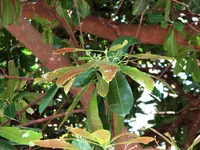
Alchornea triplinervia is a tropical evergreen tree or large shrub from the rainforests of Central and South America. It typically has simple, prominently veined leaves and a dense, branching habit.

In its native habitat it often grows along forest edges and disturbed areas, indicating a preference for warm, humid conditions and reasonably fertile, well-drained soil. It is not commonly used as a houseplant, so information on how to care for Alchornea triplinervia in home settings is limited.

Growers usually find it easier to manage in outdoor subtropical or tropical climates, where consistent warmth, moisture, and partial sun can be provided without complex environmental control.

Main Plant Requirements

Care Difficulty

Moderate Care

Light Preference

Partial Shade

Water Requirements

Regular Water

Temperature Preference

Tropical / Frost Sensitive

Hardiness Zone

10–12

Soil Texture

Loamy, Silty, Organic-rich

Soil pH

Acidic (5.5–6.5), Slightly acidic (6.5–7.0)

Soil Drainage

Moist but well-drained

Fertilization

Minimal (feed rarely)

Get Personalized Care Plan

Scan your plant to receive care tips personalized for your specific plant

Available on iOS and Android

How to Care for the Alchornea triplinervia

This species prefers bright, filtered sun similar to light woodland edges.

  • Provide 3–5 hours of gentle morning sun with dappled or high, open shade in the afternoon to prevent leaf scorch.
  • Plant Alchornea triplinervia where it receives broken light under taller trees, as intense midday sun in hot climates can bleach or burn foliage.
  • In cooler seasons or cloudy regions, slightly more direct sun is beneficial, but in hot summers increase shading to avoid stressed, curled leaves.

This plant favors consistently moist but not waterlogged soil.

  • Water when the top 2–4 cm of soil feels slightly dry, aiming for evenly damp soil through the root zone rather than cycles of drying out completely.
  • Ensure deep, well-drained soil with added organic matter so excess water can drain away, reducing the risk of root rot and sour odors from stagnation.
  • In cooler months reduce frequency as growth slows, watching for drooping, crisp leaf edges from underwatering or yellowing, soft leaves as a sign of excess moisture.

This species thrives in warm, frost-free conditions typical of tropical to subtropical climates.

  • Aim for 70–85°F (21–29°C) for strongest growth, as sustained warmth supports active foliage and root development.
  • Protect from temperatures below 45°F (7°C); brief drops near this level may cause leaf damage, and frost can kill young shoots or entire plants.
  • In hot periods above 90°F (32°C), provide extra shade and soil moisture to limit heat stress, and avoid planting in exposed, windy sites that increase leaf desiccation.

This species prefers moderately humid air and reacts to very dry indoor conditions.

  • Aim for 50–70% humidity, as prolonged levels below 40% often lead to marginal leaf browning and slow growth.
  • Expect tolerance of occasional dry air, but persistent heated rooms or strong airflow can dehydrate foliage and tender new shoots.
  • Increase humidity with grouped plants, a nearby humidifier, or pebble trays, and avoid misting that keeps leaves wet for long periods.

This species grows best in loose, well-aerated, moisture-retentive but free-draining soil.

  • Use a loamy mix with high organic matter, such as 50–60% composted bark or leaf mold blended with coarse material for structure.
  • Add perlite or pumice (20–30%) plus some coarse sand to improve drainage and oxygen around the roots, especially in containers.
  • Target a slightly acidic to neutral pH around 6.0–7.0, avoiding strongly alkaline mixes that can restrict nutrient uptake.
  • Avoid heavy clay, waterlogged spots, or peat-only mixes that compact, as these reduce aeration and increase root rot risk for Alchornea triplinervia.

This species can be grown in containers if the pot provides stable support and consistent drainage.

  • Choose a deep, heavy container that lowers the center of gravity so taller, woody stems do not tip the pot in wind.
  • Select a pot material with moderate moisture retention, such as thick-walled terracotta or glazed clay, to buffer swings between wet and dry.
  • Elevate the container slightly on pot feet or bricks so drainage holes run freely and excess water clears quickly after heavy watering or rain.

This species grows in naturally rich soils but benefits from light, controlled feeding in containers or managed landscapes.

  • Use a balanced, slow-release fertilizer (around 10-10-10) or well-aged compost in early spring to support steady growth.
  • Apply granules or compost to the root zone every 8–10 weeks during the growing season, avoiding direct contact with the trunk.
  • Reduce feeding in late fall and winter, or stop completely where growth slows, since nutrient demand is low.
  • For container plants, use a half-strength balanced liquid feed every 4–6 weeks in warm months, followed by plain water to limit salt buildup.

Pruning Alchornea triplinervia is mainly done to manage size, structure, and plant health.

  • Carry out structural pruning in late winter or early spring before vigorous new growth begins.
  • Remove dead, diseased, crossing, or inward-growing branches to improve light penetration and air flow.
  • Shorten or thin overly long shoots to maintain a stable, balanced canopy shape without heavy topping cuts.
  • Use clean, sharp bypass pruners or a small saw, making smooth cuts just outside the branch collar to support proper healing.

This tree is usually grown in the ground, so transplant timing and root handling matter more than frequent repotting.

  • Look for signs such as circling roots in containers, water running off quickly, or slowed growth to decide on moving the plant.
  • Plan transplanting or up-potting for early spring or early fall, avoiding extreme heat or drought periods.
  • For container plants, shift to a pot 1–2 in wider every 2–3 years, using a deep, free-draining, organically enriched mix.
  • Minimize root stress by watering thoroughly before and after moving, keeping the root ball intact, and shading the plant for several days if conditions are hot.

Propagation of Alchornea triplinervia is typically done by seed or semi-hardwood cuttings in warm conditions.

  • Collect ripe seeds, clean them, and sow shallowly in a free-draining, slightly acidic mix kept evenly moist and warm (70–80°F).
  • Take semi-hardwood cuttings in late spring or summer, 10–15 cm long, with 2–3 nodes and a few leaves retained.
  • Dip the cut base in a rooting hormone, then place cuttings in a humid, bright, but indirect light environment.
  • Maintain high humidity using a dome or plastic cover with some ventilation, and avoid waterlogging to prevent rot while roots develop.

This tropical to subtropical species is frost-sensitive and needs protection in regions with cool winters.

  • In climates below about 40°F, grow Alchornea triplinervia in containers so plants can be moved to a frost-free space for winter.
  • Provide a thick 5–8 cm mulch layer around the root zone outdoors to moderate soil temperature and conserve moisture.
  • Shelter young or exposed plants with windbreaks or temporary fabric covers during short cold spells, avoiding foliage contact with wet materials.

Care Tips

Regular crown thinning

Thin congested interior branches every 1–2 years to improve light penetration and airflow, which reduces fungal issues and encourages stronger new growth rather than excessive height.

Wind-firm training

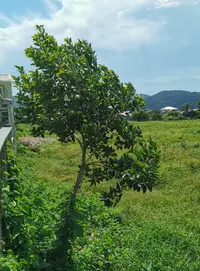
In windy sites, selectively shorten or tip-prune leading shoots on young plants to promote a broader, lower canopy and sturdier framework that resists storm damage.

Deep root establishment

During the first 2–3 years, apply less frequent but deep soakings around the drip line to encourage deep root development, which improves drought resilience and overall stability.

Organic mulch management

Maintain a 5–8 cm layer of coarse organic mulch over the root zone but keep it 5–10 cm away from the trunk to moderate soil temperatures and reduce competition from weeds without risking stem rot.

Preventive pest scouting

Inspect the undersides of leaves and tender shoot tips every few weeks for scale insects or mites, and remove early infestations with a targeted horticultural oil spray before populations build up.

Common Pests and Diseases

Leaf miners

This pest feeds within the leaf tissue, creating winding, pale tunnels that distort the foliage and reduce photosynthesis. Symptoms include thin, serpentine trails and localized yellowing between the veins.

Solution

Remove and dispose of mined leaves early to reduce the larval population, then monitor new growth closely. In outdoor plantings, encourage natural predators, use fine mesh netting over young plants if infestations are recurrent, and apply a targeted, systemic insecticide only if damage becomes extensive and local regulations allow.

Scale insects

These insects attach to stems and leaf veins, sucking sap and causing yellowing, stunting, and sticky honeydew deposits that may lead to sooty mold. This pest is often seen as small, dome-shaped or flat bumps that do not move when touched.

Solution

Prune out heavily infested shoots and wipe accessible stems with a cloth dipped in diluted insecticidal soap or horticultural oil. For larger shrubs or trees, repeat oil sprays on the undersides of leaves and along young stems, ensuring good coverage while avoiding application during intense sun or extreme heat.

Leaf spot

This disease causes brown to dark purple spots, often with a defined margin, that may merge and lead to premature leaf drop. Symptoms include scattered lesions on older foliage, especially in dense, humid planting sites.

Solution

Collect and discard fallen leaves, and prune to increase light penetration and air movement through the canopy. Avoid wetting the foliage when watering, and where allowed, apply a suitable preventive fungicide at the start of warm, wet periods if leaf spot has been a recurring issue, following label instructions carefully.

Anthracnose

This disease produces irregular, sunken, dark lesions on leaves and young stems, sometimes following the veins and causing deformation of new growth. Symptoms include blighted leaf tips and margins, particularly after extended rain or overhead irrigation.

Solution

Remove and destroy affected leaves and shoots, then thin crowded branches to reduce humidity around the plant. Improve drainage, avoid overhead watering, and in landscapes with a history of anthracnose on this species or nearby hosts, consider a registered protective fungicide at bud break or early leaf expansion as part of broader Alchornea triplinervia care instructions.

Interesting Facts

Distinct three-veined leaves

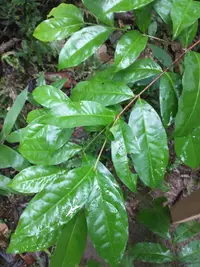
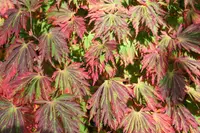
The species is easily recognized by its broad leaves with three prominent main veins radiating from the base, a feature that inspired the epithet triplinervia, meaning three-nerved.

Pioneer rainforest shrub

This plant often acts as a pioneer species in disturbed tropical forest areas, colonizing gaps and edges and helping to stabilize soil and create shade for more demanding tree seedlings.

Food source for fauna

Its small, inconspicuous flowers and subsequent fruits provide nectar and food for a range of insects and birds in Neotropical forest ecosystems.

FAQs about Alchornea triplinervia

Growth is moderately fast in warm, frost-free climates, often adding 30–60 cm per year once established. Rate depends on soil fertility, consistent moisture, and protection from strong, drying winds. Cooler areas experience noticeably slower extension growth.

Grow Healthy Plants with Botan Care

Keep your plants happy and healthy with plant identification, disease detection, and easy care guidance.

Botan plant care app — identify plants on mobile

Explore More Plants