Mallee Pine Care (Callitris preissii)

Also known as: Rottnest Island Pine, Rottnest Island cypress-pine, Slender Cypress-pine, Murray Pine
Mallee Pine

About Mallee Pine

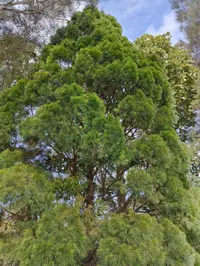
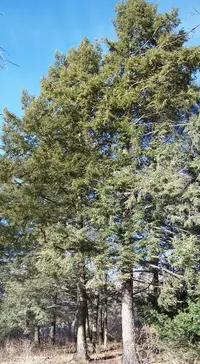
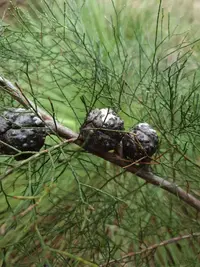
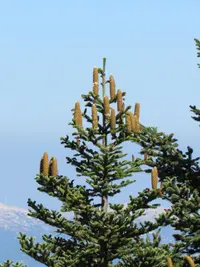
Mallee pine (Callitris preissii) is a small to medium evergreen conifer native to southern Australia, often found in coastal dunes and dry inland areas. It usually forms a dense, upright tree with fine, scale-like foliage and small woody cones.

This species is adapted to poor, sandy soils and low rainfall, which makes it relatively tough once established. Growth is slow to moderate, so it suits long-term landscape plantings rather than quick screening.

Its drought tolerance and strong sun preference are key traits that influence how easy it is to care for Mallee Pine. It generally prefers well-drained soil and avoids prolonged waterlogging.

Main Plant Requirements

Care Difficulty

Moderate Care

Light Preference

Full Sun

Water Requirements

Low Water

Temperature Preference

Warm Climate

Hardiness Zone

9–11

Soil Texture

Sandy, Loamy, Rocky

Soil pH

Slightly acidic (6.5–7.0), Slightly alkaline (7.0–7.5)

Soil Drainage

Well-drained

Fertilization

Minimal (feed rarely)

Get Personalized Care Plan

Scan your plant to receive care tips personalized for your specific plant

Available on iOS and Android

How to Care for the Mallee Pine

Callitris preissii prefers bright, open conditions that mimic its coastal Australian habitat.

  • Provide full sun for 6–8 hours per day; light morning and midday sun promote dense, upright growth.
  • Tolerates light partial shade, especially afternoon, but prolonged shade leads to sparse, elongated shoots and duller foliage.
  • In hot inland summers, protect young Mallee Pine from intense late-afternoon sun to reduce scorch, especially on newly planted or recently pruned trees.

This species is drought-tolerant once established and is sensitive to excess moisture around the roots.

  • For in-ground plants, allow the top 5–8 cm of soil to dry between deep soakings, then water slowly so it penetrates 20–30 cm.
  • Reduce watering in cool seasons; overwatering shows as yellowing, soft foliage and twig dieback, while underwatering causes browning tips and premature needle drop.
  • Plant in sharply drained, sandy or gravelly soil so water does not pool; avoid sites where water lingers for more than a few hours after rain.

This coastal conifer prefers mild to warm conditions but copes with a reasonable range of outdoor temperatures.

  • Optimal growth occurs around 65–80°F (18–27°C), with steady shoot development and compact foliage in these conditions.
  • Established plants tolerate down to about 20–25°F (-6 to -4°C); young trees benefit from protection during hard frosts and cold, drying winds.
  • Heat tolerance is good up to 95–100°F (35–38°C) if soil is not waterlogged; mulch helps keep roots cooler and moderates rapid temperature swings.

Humidity is rarely limiting for Callitris preissii in typical indoor or outdoor settings.

This species prefers mineral, fast-draining soil that mimics its native sandy habitats.

  • Use a sandy or sandy-loam mix with low to moderate organic matter to avoid waterlogging.
  • Aim for slightly acidic to neutral pH around 6.0–7.5, which supports stable nutrient availability.
  • Blend roughly 50–70% coarse sand or fine grit with the remainder loam-based mix; avoid heavy peat proportions.
  • Improve aeration and drainage further by adding small amounts of fine bark or perlite, avoiding any mix that compacts easily.

This conifer can be grown in containers, especially when kept small or used as a patio specimen.

  • Choose a tall, heavy container to support the developing taproot and prevent the plant from becoming top-heavy in wind.
  • Use a very free-draining, gritty mix so water moves quickly away from the root collar after irrigation or rain.
  • Position the pot where it will not be shaded by other containers, since reduced airflow around the foliage increases moisture-related stress.

This drought-tolerant conifer usually needs minimal feeding, especially in the ground.

  • For container-grown Mallee Pine, use a balanced slow-release fertilizer (such as 10-10-10) at half label rate in spring.
  • Feed once more in mid-summer if growth is pale or weak, then stop by late summer.
  • Avoid high-phosphorus lawn fertilizers; excess salts can burn roots.
  • Do not fertilize in winter or when the plant is stressed by heat or drought.

Callitris preissii needs only light, careful pruning to maintain structure and health.

  • Carry out pruning in late winter to early spring, before strong new growth starts.
  • Remove dead, diseased, storm-damaged, or crossing branches with clean, sharp bypass pruners or loppers.
  • Limit cuts to small branch tips to preserve the natural conical shape and avoid large wounds.
  • Do not cut back into bare, leafless wood, as new shoots may not develop from old stems.

This species is best planted directly in the landscape; container plants should be moved infrequently to reduce root disturbance.

  • Transplant Callitris preissii in late winter to early spring when temperatures are mild.
  • Look for roots circling the pot, slow growth, or the plant drying out quickly as signs it has outgrown its container.
  • Shift to only 1 pot size larger, loosening circling roots gently and keeping the root ball intact.
  • Water thoroughly after transplanting, then maintain even moisture until new growth shows that roots have re-established.

Propagation of this species is possible but slower than many ornamentals, so it is not always attempted by home growers.

  • Sow fresh seeds in late winter to early spring in a free-draining, sandy mix, barely covered.
  • Provide bright light, good air circulation, and consistent, light moisture until germination, which may be slow and uneven.
  • Semi-hardwood cuttings taken in late summer can root in a well-drained mix with bottom heat and high humidity.
  • Keep young plants growing steadily for at least 1–2 years before planting into exposed sites.

In mild climates this conifer is fairly cold tolerant and usually needs little special winter care once established.

  • Callitris preissii handles light frosts but may suffer in prolonged freezes below about 20°F, especially when young.
  • Apply a 5–8 cm mulch layer around the root zone in autumn, keeping it away from the trunk.
  • Move container plants to a sheltered, unheated but frost-free spot with good light during hard cold spells.

Care Tips

Salt-wind conditioning

In coastal regions, gradually expose young plants to increasing wind and salt spray over several weeks by moving windbreaks back or reducing barrier height, so the foliage toughens and does not scorch once fully exposed.

Low-branch management

Decide early whether the plant will be a windbreak or specimen tree, then either retain lower branches to the ground for dense screening or progressively remove selected lower limbs over several years to form a clean trunk without shocking the plant.

Selective leader training

Inspect the crown yearly and, if multiple leaders develop, choose the straightest upright stem as the main leader and remove or shorten competing shoots to reduce the risk of future splitting in storms.

Root-zone protection

Keep the root zone free from frequent digging, heavy traffic, or lawn installation, and use a light gravel or coarse organic mulch layer to protect the fine feeder roots that sit close to the soil surface.

Firewise spacing

In fire-prone areas, space plants so mature canopies do not interlock and remove dead twigs trapped inside the foliage once a year, which reduces fuel load while still supporting healthy growth when caring for Mallee Pine.

Common Pests and Diseases

Cypress aphids

These insects feed on young stems and foliage, causing yellowing, thinning, and dieback of branch tips, especially on stressed trees.

Solution

Prune out and destroy heavily infested shoots and maintain good watering practices during establishment to reduce stress. For persistent infestations, use a strong water spray to dislodge aphids and, if needed, apply a targeted horticultural soap or oil, making sure to cover the undersides of foliage while avoiding high-temperature periods.

Cypress bark beetles

This pest tunnels under the bark of weakened trees, leading to browning foliage, scattered branch dieback, and small exit holes in the bark.

Solution

Remove and dispose of heavily infested branches or entire severely affected trees to reduce beetle populations. Support tree vigor through appropriate irrigation during dry periods, avoid mechanical damage, and do not leave fresh Callitris pruning debris on site, as this can attract beetles.

Needle blight

This disease causes scattered yellowing, browning, and premature shedding of scale-like leaves, often starting on lower or shaded branches in humid or poorly ventilated sites.

Solution

Prune out and dispose of affected foliage and thin dense growth to improve airflow around branches. Avoid overhead watering, especially in the evening, and if the problem recurs in wet seasons, consult local extension services about a suitable fungicide labeled for conifers as part of broader Callitris preissii plant care.

Cypress canker

This disease produces sunken, discolored lesions on stems and branches, with resin exuding from the bark and progressive dieback beyond the infected area.

Solution

Cut well below visible cankers into healthy wood, disinfect pruning tools between cuts, and remove severely affected branches or plants from the site. Reduce plant stress by avoiding waterlogging and compaction, spacing plants for good airflow, and selecting well-drained, low-humidity planting locations where possible.

Interesting Facts

Coastal limestone specialist

This species naturally occurs on coastal limestone cliffs and dunes in southwestern Australia, anchoring itself in very shallow, alkaline, and nutrient-poor soils that many other trees cannot tolerate.

Salt and wind adapted

It shows strong tolerance to salt-laden winds and sea spray, which allows it to form low, wind-pruned thickets along exposed coastlines where conditions are too harsh for most broadleaf trees.

Fire-sensitive conifer

Unlike many Australian trees, this conifer is relatively fire-sensitive and often declines in frequently burnt sites, so it tends to persist in rocky coastal refuges and areas where fire does not regularly penetrate.

Botan icon

Did you know?

The species is one of only a few native conifers dominating natural vegetation in parts of the Swan Coastal Plain near Perth, where its dense, often shrubby stands create distinctive local habitats for coastal birds and invertebrates.

FAQs about Mallee Pine

Yes, this species can be grown in large, deep containers with excellent drainage. Use a gritty, low-organic mix and avoid frequent repotting. Container culture limits ultimate size and is useful where garden space or conditions are unsuitable.

Grow Healthy Plants with Botan Care

Keep your plants happy and healthy with plant identification, disease detection, and easy care guidance.

Botan plant care app — identify plants on mobile

Explore More Plants