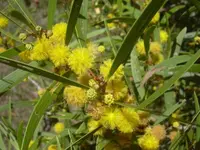
arar tree Care (Tetraclinis articulata)

Also known as: Sandarac, Sandarac Gum Tree, sandarac tree
arar tree

About arar tree

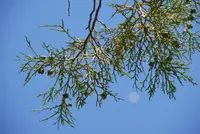
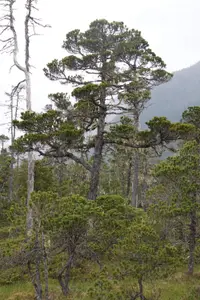
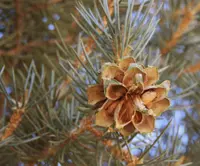
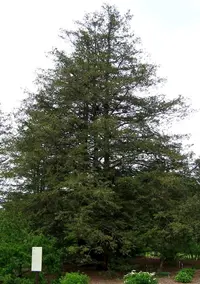
The arar tree, Tetraclinis articulata, is a small to medium conifer from the cypress family. It is evergreen, with fine, scale-like foliage and small rounded cones. Mature trees often develop a gnarled, sculptural trunk.

This species naturally grows in dry, rocky regions of North Africa, Malta, and parts of southern Spain. It is adapted to hot sun, low rainfall, and poor, stony soils.

Growth is slow, and young plants are sensitive to excess moisture and root disturbance, which can make it challenging for beginners. Those who want to learn how to care for arar tree should understand its need for strong light, very well-drained soil, and careful watering that avoids constant wetness.


Main Plant Requirements

Care Difficulty

Moderate Care

Light Preference

Full Sun

Water Requirements

Low Water

Temperature Preference

Warm Climate

Hardiness Zone

8–11

Soil Texture

Sandy, Loamy, Rocky

Soil pH

Slightly acidic (6.5–7.0), Slightly alkaline (7.0–7.5)

Soil Drainage

Well-drained

Fertilization

Minimal (feed rarely)

Get Personalized Care Plan

Scan your plant to receive care tips personalized for your specific plant

Available on iOS and Android

How to Care for the arar tree

This Mediterranean conifer prefers bright, long hours of sun for dense, healthy growth.

  • Provide 6–8 hours of direct sun daily; in hot inland areas, give arar tree light afternoon shade to reduce scorch on young foliage.
  • In coastal or cooler climates, full sun all day is suitable, as long as soil does not dry to extremes during prolonged heat waves.
  • In partial shade (3–4 hours of sun), growth becomes more open and sparse; gradually increase light exposure in spring to limit sunburn.

This drought-tolerant conifer prefers infrequent, deep watering once established.

  • Allow the top 5–8 cm of soil to dry before watering young trees; water slowly so moisture reaches the deeper root zone without pooling.
  • Use well-drained, sandy or rocky soil; persistent wetness, sour smell, or blackened feeder roots indicate overwatering and risk of root rot.
  • During hot, dry summers, watch for dull, folding, or browning scale leaves as a sign to water; in cool or rainy seasons, rely mostly on natural rainfall.

This species is adapted to warm, dry climates but tolerates moderate cold once established.

  • Aim for 65–85°F (18–29°C) during active growth; warm, dry air and good air movement support healthy foliage and resin flow.
  • Mature trees can survive short dips to about 15–20°F (-9 to -6°C), but young Tetraclinis articulata need protection from hard freezes and cold winds.
  • In heat above 95°F (35°C), provide mulch to keep roots cooler and avoid additional stress from drought or reflected heat from walls and paving.

This species handles low humidity well and rarely needs special moisture control indoors.

  • Target 30–50% air humidity; dry home air is usually acceptable for arar tree.
  • Watch for humidity stress as browning, crisp scale-like leaves at the tips, often combined with underwatering or heat.
  • If air is very dry and hot, increase local humidity slightly by grouping plants or placing a shallow pebble tray with water nearby.

Tetraclinis articulata prefers lean, fast-draining mineral soil that never stays waterlogged.

  • Use a sandy or gravelly mix with modest organic matter; aim for a loose, crumbly structure that does not compact.
  • Ensure rapid drainage with a blend such as 50–60% coarse sand or grit, 20–30% loam, and 10–20% fine bark or compost.
  • Keep pH slightly alkaline to neutral, around 7.0–8.0, avoiding strongly acidic mixes designed for acid-loving plants.
  • Improve aeration and prevent root issues by adding coarse perlite or small gravel and avoiding fine peat-heavy substrates that hold water.

This species can adapt to container growing for many years if provided with a stable, well-drained setup.

  • Choose a deep, heavy container that resists tipping, as upright woody growth becomes top-heavy in wind.
  • Select thick-walled clay or concrete pots outdoors to moderate root temperature swings and prevent overheating in full sun.
  • Raise the container on feet or bricks so drainage holes stay clear and excess water leaves quickly after heavy rain or irrigation.

Tetraclinis articulata is a slow-growing conifer that usually needs only modest feeding, especially in the ground.

  • For young or container plants, apply a balanced slow-release NPK fertilizer once in early spring at label rate.
  • Alternatively, top-dress with a thin layer of well-rotted compost around the drip line in spring.
  • During active growth, avoid overfeeding; use liquid fertilizer at 1/2 strength no more than every 6–8 weeks.
  • Stop feeding in late summer to allow shoots to harden before winter and reduce frost damage risk.

Tetraclinis articulata needs light, selective pruning to maintain a stable structure and healthy foliage.

  • Carry out pruning in late winter or very early spring before new growth starts.
  • Remove dead, diseased, or storm-damaged branches first using clean, sharp bypass pruners or loppers.
  • Thin congested interior shoots carefully to improve light and airflow without cutting back into bare old wood.
  • Limit shaping cuts to young tips to preserve the tree’s natural form and avoid heavy structural stress.

This species is usually grown in the ground, so focus on careful transplanting of young Tetraclinis articulata plants.

  • Transplant in late winter or early spring while the plant is dormant and soil is workable.
  • Look for signs like circling roots, root-bound containers, or stalled growth to decide when to move container plants.
  • Shift young trees to the open ground after 2–3 years in pots, handling the root ball gently to limit disturbance.
  • Water thoroughly after planting, then keep soil evenly moist but not waterlogged for several weeks to aid establishment.

Tetraclinis articulata is commonly propagated from both semi-ripe cuttings and seeds under controlled conditions.

  • Take semi-ripe cuttings in late summer, 7–10 cm long, from healthy non-flowering shoots.
  • Dip cut ends in rooting hormone, then place in a free-draining, slightly moist mix under bright, indirect light.
  • Maintain high humidity and warmth around 68–75°F to encourage root formation over several weeks.
  • For seeds, use fresh, stratified seed in a gritty mix, keeping it just moist and cool until germination.

Established Tetraclinis articulata in mild climates is fairly cold tolerant and often needs minimal winter care.

  • In regions with frost, apply a 5–8 cm mulch layer around the root zone, keeping it away from the trunk.
  • Young or container plants benefit from a sheltered spot out of prevailing winds and heavy frost exposure.
  • Move potted specimens into an unheated greenhouse, cold frame, or bright indoor space above freezing where arar tree indoor care is manageable.

Care Tips

Wind-hardening seedlings

If raising young plants in containers, gradually expose them to stronger wind over 2–3 weeks by placing them in a more open spot each day, which helps build sturdy, flexible stems that cope better with coastal or exposed sites.

Root flare check

When planting or top-dressing, keep the uppermost roots just at or slightly above soil level and avoid piling mulch against the trunk, which reduces the risk of rot and promotes stable anchoring over time.

Targeted staking method

For newly planted specimens in windy areas, use 2–3 low stakes with soft ties placed away from the trunk, securing the root ball rather than the stem so the canopy can move slightly and develop stronger support wood.

Thinning for airflow

On established plants, selectively thin crowded inner branches rather than shearing the outer surface, which increases light and air movement through the canopy and helps limit fungal issues on older wood.

Fire- and heat-wise spacing

In hot, dry regions where growing arar tree outdoors, space plants with at least 1.5–2 m between mature canopies and keep dry grass or debris cleared from the base to reduce heat stress and potential fire damage.

Common Pests and Diseases

Cypress aphids

These insects feed on young stems and foliage, causing needle yellowing, tip dieback, and reduced vigor, especially on stressed or drought-weakened trees.

Solution

Prune out and discard heavily infested shoot tips, then hose down foliage to dislodge remaining aphids; for persistent infestations, use a targeted insecticidal soap or neem oil, applied thoroughly to twigs and undersides of sprays during mild, dry weather while monitoring for natural predators such as lady beetles.

Cypress bark beetles

This pest bores into trunks and larger branches, leading to localized resin bleeding, fading foliage above the galleries, and progressive branch dieback, particularly in trees weakened by drought or mechanical damage.

Solution

Remove and destroy badly infested branches to reduce beetle populations, avoid wounding the bark, and keep the tree well watered during dry periods; in high-risk areas, consult a certified arborist about timing preventive trunk sprays with a labeled pyrethroid before peak beetle flight rather than after heavy attack.

Seiridium canker

This disease causes sunken, resin-soaked cankers on branches, with needles turning dull, then reddish-brown, often in scattered dead twigs across the crown rather than from the base upward.

Solution

Cut 20–30 cm below visible cankers into healthy wood and destroy infected material, disinfecting pruning tools between cuts, then reduce drought and heat stress with deep but infrequent watering; avoid overhead irrigation and dense hedging to improve air movement and lower infection pressure.

Botryosphaeria canker

This disease produces elongated, dark cankers and gradual dieback of individual branches, often entering through wounds or pruning cuts on older or stressed trees.

Solution

Prune out affected branches well below the dieback margin, sterilizing tools between cuts, and schedule any additional pruning during dry weather; support recovery with moderate irrigation, a light layer of mulch over the root zone, and avoidance of trunk injuries or excessive fertilizer that may predispose the tree to infection.

Armillaria root disease

This disease attacks roots and the lower trunk, causing gradual decline, thin foliage, branch dieback, and sometimes resin exudation near the base, often in sites with previous tree removals or poor drainage.

Solution

Remove severely affected trees including as much of the stump and major roots as possible to reduce inoculum, improve drainage, and avoid replanting another conifer in the same spot for several years; for partially affected specimens, reduce additional stresses through careful watering, mulching, and avoidance of soil compaction, while monitoring closely for further decline as part of long-term Tetraclinis articulata care.

Interesting Facts

Resin known as sandarac

This species produces a pale yellow resin called sandarac, historically used in Europe and North Africa as a varnish for paintings, wood, and musical instruments because it forms a hard, clear film.

Atlas Mountains endemic

The arar tree is naturally restricted to a small area around the western Mediterranean, with strongholds in the Atlas Mountains of Morocco, Algeria, and parts of Tunisia, making it a geographically localized conifer.

Remarkably durable wood

Its wood is dense, aromatic, and resistant to decay and insects, so it has long been valued for fine carpentry, marquetry, and traditional inlay work in Moroccan craftsmanship.

Botan icon

Did you know?

Pollen fossils show that this species once had a much wider distribution around the western Mediterranean, but its natural range contracted after past climatic changes, so current populations are considered relicts of a formerly more widespread conifer.

FAQs about arar tree

Growth is slow to moderate. In suitable outdoor conditions, young plants may add roughly 15–30 cm per year, then slow with age. Poor drainage, heavy shade, or compacted soil can reduce growth rate noticeably.

Grow Healthy Plants with Botan Care

Keep your plants happy and healthy with plant identification, disease detection, and easy care guidance.

Botan plant care app — identify plants on mobile

Explore More Plants