Wind-firm training
In the first 3–5 years, avoid staking unless absolutely necessary so the trunk flexes in the wind and develops stronger support wood, then gradually remove any stakes within 1–2 seasons to prevent a weak, top-heavy tree.

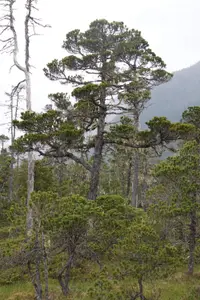
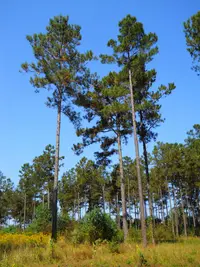
Lodgepole pine, Pinus contorta, is an evergreen conifer known for its tall, slender form and dense, narrow crown. It typically carries short needles in pairs and small, hard cones that may remain on the tree for many years.
This species is native to western North America, where it forms extensive forests from lowland plains to mountainous slopes. It adapts to poor, sandy, or rocky soils and tolerates cold, wind, and exposed conditions, which makes it relatively resilient.
For home landscapes, especially in cooler regions, it suits large gardens and naturalistic plantings. Understanding how to care for lodgepole pine starts with providing full sun, well-drained soil, and moderate moisture without prolonged waterlogging.

Care Difficulty
Moderate Care

Light Preference
Full Sun

Water Requirements
Low Water

Temperature Preference
Cold Hardy

Hardiness Zone
4–8

Soil Texture
Sandy, Loamy, Rocky

Soil pH
Strongly acidic (4.5–5.5), Acidic (5.5–6.5)

Soil Drainage
Well-drained

Fertilization
Minimal (feed rarely)
Scan your plant to receive care tips personalized for your specific plant
Available on iOS and Android
This conifer prefers strong outdoor light to support dense, healthy growth.
This species is adapted to relatively dry, well-drained soils once established.
This hardy pine tolerates wide temperature swings typical of many outdoor climates.
This conifer handles low to moderate humidity and usually does not need special humidity management outdoors.
Pinus contorta prefers freely draining, relatively poor soils rather than rich or compacted substrates.
This species can be grown in containers for a limited period, mainly when young.
Wild-type Pinus contorta usually needs minimal feeding, but light fertilization can support young or stressed trees in poor soils.
Pruning Pinus contorta is usually light and focuses on safety, structure, and removing damaged tissue.
Pinus contorta is most often grown in the ground; transplanting young trees with care reduces shock and mortality.
Most Pinus contorta plants are propagated from seed under controlled nursery conditions rather than at home.
Established Pinus contorta trees are cold hardy and generally require minimal winter care in most temperate climates.

Plant Health Check
Not sure what's wrong with your plant? Check your plant's health inside the app.
Many lodgepole pine populations bear serotinous cones sealed with resin that only open and release seeds after exposure to high heat from wildfire, creating dense even-aged stands after burns.
Pinus contorta includes markedly different subspecies, from stunted, wind-pruned krummholz near timberline to tall straight-trunked trees over 30 m in inland forests, showing strong adaptation to local climates.
Lodgepole pine forests provide critical habitat and food resources for species such as Clark’s nutcracker, red squirrels, and various bark beetles, which in turn influence forest regeneration patterns through seed caching and tree mortality.

Lodgepole pine played an important historical role for Indigenous peoples of western North America, notably as the preferred, straight, lightweight wood for constructing tipis and lodge poles, which led to its widely used common name.
This species typically grows about 30–60 cm per year in suitable conditions. Growth is faster in full sun, cool summers, and well-drained soils, and slower in compacted, waterlogged, or very dry sites.
Keep your plants happy and healthy with plant identification, disease detection, and easy care guidance.