Asiatic apple Care (Malus spectabilis)

Also known as: Chinese flowering crabapple, Chinese Crab
Asiatic apple

About Asiatic apple

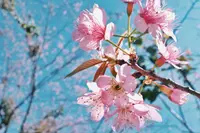
Asiatic apple, Malus spectabilis, is a small deciduous flowering tree grown mainly for its spring blossoms and ornamental fruit. It is often used in gardens, parks, and streetscapes as a feature or accent tree.

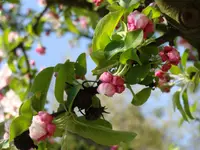
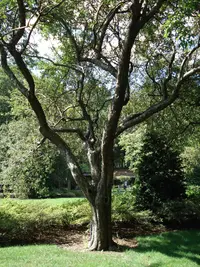
The tree forms a rounded crown with dense branching, covered in showy pink or white flowers followed by small, colorful crabapple-like fruits. It originates from China but is now widely cultivated in temperate regions.

Malus spectabilis is generally considered moderately easy to grow if planted in full sun, with moderately moist, well-drained soil. Once established, it needs only basic attention, so learning how to care for Asiatic apple mainly involves managing light, water, and pruning to maintain health and shape.

Main Plant Requirements

Care Difficulty

Moderate Care

Light Preference

Full Sun

Water Requirements

Moderate Water

Temperature Preference

Cold Hardy

Hardiness Zone

4–8

Soil Texture

Loamy, Sandy, Clay

Soil pH

Acidic (5.5–6.5), Slightly acidic (6.5–7.0)

Soil Drainage

Moist but well-drained

Fertilization

Minimal (feed rarely)

Get Personalized Care Plan

Scan your plant to receive care tips personalized for your specific plant

Available on iOS and Android

How to Care for the Asiatic apple

Malus spectabilis thrives in bright outdoor conditions with a clear daily sun pattern.

  • Provide 6–8 hours of direct sun, ideally with morning sun and light afternoon shade in hotter regions to protect blossoms and leaves.
  • Tolerates light partial shade (3–4 hours direct sun) but flowering and fruiting of Asiatic apple decrease as shade increases.
  • In summer, avoid intense reflected heat from pavement or walls, and in winter ensure the site still receives low-angle sun to support healthy bud development.

Malus spectabilis prefers steadily moist but not saturated soil.

  • Water when the top 4–5 cm of soil feel dry, applying a slow, deep soak so moisture reaches the main root zone rather than frequent shallow sprinkling.
  • In spring and early summer, monitor weekly during dry spells; in cooler or rainy seasons, reduce watering and rely more on natural rainfall if soil drains well.
  • Watch for yellowing leaves and soft, dark roots as signs of overwatering, and for drooping, dry, crisp leaves and shrinking new growth as signs of underwatering.

This ornamental crabapple tolerates cold winters and moderate summer heat when planted outdoors.

  • Active growth is best around 60–75°F (16–24°C), supporting strong foliage and flower bud development in spring and early summer.
  • Dormant trees tolerate winter lows near -20°F (-29°C) once established, but young trees benefit from protection from harsh wind and rapid freeze–thaw cycles.
  • Heat above 90°F (32°C) can stress the tree; provide mulch to cool roots and avoid hot, enclosed sites that trap heat and dry wind.

Humidity is not a major factor for Malus spectabilis, which adapts well to typical outdoor conditions.

  • Performs reliably in 30–60% ambient humidity common in most temperate gardens.
  • Tolerates dry air and wind once established, as long as soil moisture is consistent.
  • Asiatic apple shows humidity stress mainly when paired with drought, visible as leaf edge browning and premature leaf drop.

Malus spectabilis prefers moderately fertile, well‑structured mineral soil with steady drainage.

  • Use a loamy soil with balanced sand, silt, and clay, enriched with 20–30% compost for organic matter.
  • Aim for slightly acidic to neutral pH around 6.0–7.0 to support nutrient availability and root health.
  • On heavy clay sites, improve drainage and aeration by working in coarse sand or fine gravel plus compost to at least 20–30 cm depth.
  • Avoid waterlogged, compacted, or extremely sandy soils that either hold standing water or dry out within hours after watering.

This species can be grown in containers for several years, but needs careful management of root space and stability.

  • Choose a deep, heavy container to anchor the woody canopy and reduce the risk of the pot tipping in strong winds.
  • Use a structural mix such as 60% loam‑based compost with 40% coarse material to prevent compaction and maintain air spaces around roots.
  • Raise the container slightly on pot feet so drainage holes remain clear and excess water escapes quickly after rain or irrigation.

Malus spectabilis benefits from light, targeted feeding rather than heavy fertilization.

  • Apply a balanced slow-release fertilizer (around 10-10-10) once in early spring as new growth begins.
  • Use a thin layer of compost over the root zone yearly to support soil structure and microbial life.
  • During the growing season, avoid high-nitrogen products that push soft, weak shoots at the expense of flowers.
  • Stop feeding Asiatic apple by late summer and do not fertilize in winter, and always follow label dilution rates.

Pruning Malus spectabilis helps maintain a healthy framework and good flowering.

  • Plan main structural pruning for late winter to very early spring, before bud break.
  • Remove dead, diseased, crossing, or inward-growing branches using clean, sharp bypass pruners or a pruning saw.
  • Thin crowded interior shoots to improve light penetration and airflow, which supports better flowering and reduces disease pressure.
  • Shorten or redirect wayward branches to keep a balanced, open canopy without harsh heading cuts.

This crabapple is usually grown in the ground, so focus on careful transplanting rather than frequent repotting.

  • Transplant in late fall or early spring when the tree is dormant to reduce stress.
  • Move young trees every 3–5 years at most, once roots circle the planting hole or growth slows noticeably.
  • Dig a wide root ball, keep roots shaded and moist, and replant at the same soil level in a well-drained site.
  • Water deeply after transplanting, then keep soil evenly moist while new roots establish, avoiding both waterlogging and drought.

Propagation of Malus spectabilis is possible but usually done by specialists to keep cultivar traits consistent.

  • Use semi-hardwood cuttings in midsummer, placed in a free-draining medium under high humidity and bright, indirect light.
  • Graft named forms onto compatible rootstocks in late winter, using whip-and-tongue or similar techniques.
  • Sow stratified seeds after 3–4 months of cold, moist treatment, understanding seedlings may differ from the parent.
  • Label each batch clearly and discard any diseased material to avoid spreading pathogens during propagation.

This crabapple is generally cold hardy and needs only modest winter care once established.

  • In regions colder than its rated zone, add a 5–8 cm mulch layer over the root zone, keeping it away from the trunk.
  • Wrap young trunks with breathable tree guards to limit sunscald and rodent damage in winter.
  • For container-grown trees, move pots into a sheltered, unheated space or group and insulate containers outdoors.

Care Tips

Branch training

While young, use soft ties and a spreader or spacer stick to widen narrow branch angles to about 45–60° from the trunk, which reduces the risk of splitting and creates a stronger, more open framework.

Blossom thinning

In years with very heavy bloom, gently remove some flower clusters by hand so that remaining fruits size up better and the tree does not exhaust itself, helping stabilize blooming from year to year.

Sanitation for disease

Rake and remove fallen leaves and mummified fruits through autumn and winter to reduce carryover of apple scab and canker pathogens, then dispose of them with yard waste rather than composting on-site.

Targeted pest monitoring

From spring to midsummer, inspect young shoots and the undersides of leaves weekly with a hand lens so aphids, scale, and mites are caught early and can be managed with a directed spray of water or a labeled horticultural oil.

Mulch management

Maintain a 5–8 cm deep mulch ring under the canopy but keep a mulch-free gap of 5–8 cm around the trunk to protect surface roots from drying and temperature swings while preventing collar rot, which is critical when growing Asiatic apple in lawns or compacted sites.

Common Pests and Diseases

Apple scab

This disease causes dark, velvety olive to black spots on young leaves, flower buds, and later on fruit, leading to deformation and early leaf drop.

Solution

Remove and dispose of fallen leaves and infected fruit, prune the crown to improve airflow, and apply a preventive fungicide labeled for apple scab at bud break and during wet spring periods according to Malus spectabilis care instructions.

Fire blight

This disease leads to sudden blackening and wilting of blossoms, shoots, and small branches, which may look scorched and often bend into a characteristic shepherd’s crook shape.

Solution

Prune out infected shoots 20–30 cm below visible damage during dry weather, disinfect pruning tools between cuts with 70% alcohol or a 10% bleach solution, and avoid high-nitrogen fertilization that promotes overly soft, susceptible growth.

Powdery mildew

This disease produces a white, powdery coating on young leaves, shoots, and flower buds, which can cause distortion and reduced flowering.

Solution

Thin dense branches to increase light and air circulation, collect and discard heavily infected leaves, and apply a sulfur or potassium bicarbonate fungicide during early leaf expansion if the problem recurs annually.

Aphids

These insects cluster on tender shoots and the undersides of leaves, sucking sap and causing curling, sticky honeydew, and sometimes sooty mold growth.

Solution

Spray colonies off young growth with a strong stream of water, encourage natural predators such as lady beetles, and use insecticidal soap or a light horticultural oil, ensuring thorough coverage of shoot tips and leaf undersides.

Codling moth

This pest’s larvae tunnel into developing fruit, leaving small entry holes, frass, and internal browning that makes crabapples unattractive and unusable.

Solution

Collect and destroy infested fruit, use corrugated cardboard bands around trunks to trap migrating larvae and remove them regularly, and hang pheromone traps to monitor activity and time targeted treatments with a suitable fruit moth control product if damage is severe year after year.

Interesting Facts

Showy double blossoms

Many ornamental selections of this species bear densely double flowers, with extra petals formed from modified reproductive parts, which gives the tree its especially full, pompon-like spring display.

Cultural symbol in China

In traditional Chinese art and literature, this species is associated with feminine beauty and elegance, and its blossoms often appear in classical paintings and poetry describing refined gardens.

Small, persistent fruit

The tree produces clusters of small, firm crabapples that often remain on the branches into winter, providing food for birds and adding ornamental color after leaf fall.

Botan icon

Did you know?

Historical records show this species has been cultivated in Chinese gardens for many centuries, with named ornamental forms selected long before modern plant breeding, making Malus spectabilis one of the classic heritage flowering crabapples in East Asian horticulture.

FAQs about Asiatic apple

Lack of flowers often results from insufficient sunlight, heavy nitrogen fertilization, or pruning at the wrong time, which removes flowering wood. Young trees may also need several years of establishment before producing full, reliable bloom.

Grow Healthy Plants with Botan Care

Keep your plants happy and healthy with plant identification, disease detection, and easy care guidance.

Botan plant care app — identify plants on mobile

Explore More Plants