Fireweed Care (Epilobium angustifolium)

Also known as: Great Willow Herb, Wickup
Fireweed

About Fireweed

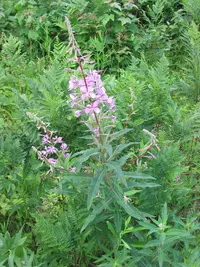
Fireweed, Epilobium angustifolium, is a hardy perennial wildflower known for tall stems lined with bright pink to purple blooms. It forms dense stands that spread by seed and underground rhizomes.

In nature it commonly colonizes open, disturbed ground such as burned forests, roadsides, and clearings across cooler regions of North America and Europe. This strong colonizing habit makes it relatively easy to establish in suitable garden sites.

To care for Fireweed, provide full sun, moderately moist but well-drained soil, and enough space for its spreading root system. It suits naturalistic, meadow-style, or pollinator-friendly plantings.

Main Plant Requirements

Care Difficulty

Easy Care

Light Preference

Full Sun

Water Requirements

Regular Water

Temperature Preference

Cold Hardy

Hardiness Zone

2–7

Soil Texture

Sandy, Loamy, Silty

Soil pH

Acidic (5.5–6.5), Slightly acidic (6.5–7.0)

Soil Drainage

Moist but well-drained

Fertilization

Minimal (feed rarely)

Get Personalized Care Plan

Scan your plant to receive care tips personalized for your specific plant

Available on iOS and Android

How to Care for the Fireweed

Epilobium angustifolium thrives in bright conditions similar to open meadows and forest clearings.

  • Provide full sun for 6–8 hours daily; 4–6 hours plus light afternoon shade suits hotter summer regions.
  • Allow partial shade in the afternoon where summers exceed 85°F (29°C) to prevent leaf scorch and premature wilting.
  • In dense shade stems stretch, flowering declines, and Fireweed may lean; choose an open east or west exposure for strongest blooms.

Epilobium angustifolium prefers consistently moist but not waterlogged soil.

  • Water when the top 3–5 cm of soil feel slightly dry, then soak thoroughly so moisture reaches deeper roots.
  • Use soil with good drainage; standing water, sour smell, or limp, yellowing lower leaves suggest overwatering or poor drainage.
  • In spring and flowering season, expect faster drying; in cool autumn conditions, extend intervals and watch for drooping, dull leaves as a sign to water.

This species is a cold-hardy perennial adapted to cool, temperate climates.

  • Active growth and flowering occur best around 60–75°F (16–24°C), typical of mild spring and early summer conditions.
  • Mature plants tolerate winter lows near -40°F (-40°C) in the ground with snow cover, but young plants benefit from mulch in colder regions.
  • Short periods above 85°F (29°C) are tolerated if soil stays moist; prolonged heat with drought can cause leaf scorch and reduced flowering.

This species is flexible about humidity and usually manages well in typical outdoor air levels.

  • Target 30–60% humidity, similar to most temperate outdoor conditions, for stable growth when caring for Fireweed.
  • Plant stress from very dry air shows as crisp leaf edges and slower growth during hot, windy spells.
  • Increase local humidity outdoors by mulching the root zone and grouping plants so foliage shelters the soil surface.

Epilobium angustifolium prefers loose, moderately fertile, well-drained mineral soil.

  • Use a sandy or gravelly loam with some organic matter so roots stay aerated but do not dry out instantly.
  • Aim for slightly acidic to neutral pH around 5.5–7.0, which supports nutrient availability and root activity.
  • In heavy soil, mix in coarse sand or fine gravel plus compost to improve drainage while retaining moderate moisture.
  • Avoid compacted clay, permanently wet spots, or peat-heavy mixes that stay soggy and exclude air from the root zone.

This species can be grown in containers, but it behaves best in large, stable outdoor pots.

  • Choose a deep, heavy container so the tall, upright stems do not tip the pot in wind.
  • Use a gritty, fast-draining mix to prevent waterlogging after rain while still holding enough moisture between waterings.
  • Position the container where runoff drains quickly away from the base so excess water never stands around the pot.

Epilobium angustifolium, or fireweed, usually needs minimal feeding in average garden soil.

  • In poor or sandy soils, apply a light layer of compost around plants in early spring.
  • Use a balanced, slow-release fertilizer (around 10-10-10) at half strength once in spring if growth appears weak.
  • Avoid high-nitrogen products, which can encourage soft, floppy stems over flowers.
  • Do not feed in late fall or winter, as the plant is dormant and excess nutrients are wasted.

Thoughtful pruning keeps Epilobium angustifolium tidy and supports healthy flowering.

  • Cut back spent flower spikes in midsummer to reduce self-seeding and encourage a neater clump.
  • Remove dead, damaged, or crowded stems at ground level using clean, sharp pruners.
  • In late fall or very early spring, shear or cut remaining stems down to just above soil level.
  • Thin overly dense patches to improve air movement and limit spread into unwanted areas.

This species is more often transplanted in the ground than repotted, as it forms spreading clumps and rhizomes.

  • Transplant in early spring or early fall, when temperatures are mild and soil moisture is steady.
  • Move plants if patches become overcrowded, flower poorly, or invade nearby beds.
  • Lift clumps carefully, keeping as many rhizomes and fine roots intact as possible to reduce stress.
  • Replant at the same depth in well-drained soil, water thoroughly, and keep evenly moist until re-established.

Epilobium angustifolium is commonly propagated by seed or by division of rhizomatous clumps.

  • Sow fresh seed in fall or early spring on the soil surface; light aids germination.
  • Keep seed trays or prepared beds evenly moist and cool until seedlings appear.
  • In early spring or fall, dig and divide established clumps, separating sections with healthy roots and buds.
  • Replant divisions promptly, water well, and maintain moderate moisture until new growth is evident.

This hardy perennial usually needs little special winter care in most temperate climates.

  • The roots tolerate freezing conditions once established, so in-ground plants rarely need extra insulation.
  • After hard frost, cut back dead stems to reduce disease shelter and improve appearance.
  • Apply a light mulch layer in colder regions to moderate soil temperature and reduce heaving, especially for first-year plants.

Care Tips

Containment Management

Install deep edging (20–30 cm) or use large bottomless containers sunk into the ground to limit rhizome spread and keep stands of fireweed from invading nearby beds or lawn areas.

Staggered Cutting

For extended flowering, cut back only one-third to one-half of the stems just after peak bloom, allowing uncut stems to continue flowering while the cut stems reshoot with fresh growth.

Seed Control

Deadhead spent flower spikes before the fluffy seeds develop, or bag a few seed heads with fine mesh to collect seed for controlled sowing while preventing unwanted self-seeding.

Meadow Integration

When establishing fireweed in a wildflower meadow, sow it in small drifts and mix with competitive but non-aggressive grasses so it anchors the planting without overwhelming slower wildflowers.

Pollinator Corridor

To support pollinators when growing Fireweed, plant it in loose groups along paths or fence lines to create continuous nectar corridors that are easy to access for observation and maintenance.

Everything About Fireweed

Common Pests and Diseases

Willowherb leaf beetle

This pest feeds on leaves, creating ragged holes and sometimes skeletonizing the foliage of fireweed stands. Symptoms include notched leaf edges, shot holes, and reduced vigor in heavily infested patches.

Solution

Hand-pick adults and larvae into soapy water on small patches, and encourage natural predators by avoiding broad-spectrum insecticides nearby. For larger areas, targeted use of a spinosad-based product on actively feeding beetles, applied in the evening and only to affected plants, can reduce damage while limiting impact on pollinators involved in growing Fireweed.

Aphids

These insects cluster on young stems and flower spikes, sucking sap and causing distortion, sticky honeydew, and sometimes sooty mold on leaves. This pest can also weaken flower shoots and reduce flowering density in dense clumps.

Solution

Spray plants with a strong stream of water to dislodge aphids, then follow with applications of insecticidal soap, coating stems and leaf undersides. Improve airflow by thinning overcrowded shoots and avoid high nitrogen fertilization, which encourages soft, aphid-prone growth.

Rust

This disease causes orange to brown powdery pustules on the undersides of leaves, with yellowing spots above and eventual premature leaf drop. Symptoms include patchy discoloration that can spread quickly in warm, moist conditions and dense stands.

Solution

Remove and destroy heavily infected leaves and any dead plant material around the base to reduce spore levels. Improve spacing and airflow, avoid overhead watering, and if needed use a labeled sulfur or copper-based fungicide early in the season on emerging shoots when rust is first noticed.

Powdery mildew

This disease shows as white to gray powdery patches on leaves and stems, often appearing late in the season when nights are cool and days are warm. Symptoms include dull, distorted foliage and reduced vigor, especially in shaded or crowded stands.

Solution

Cut back and remove affected stems after flowering to reduce inoculum, and thin dense clumps to increase light and airflow. In ongoing outbreaks, apply a potassium bicarbonate or horticultural oil product labeled for powdery mildew, ensuring thorough coverage of both leaf surfaces while avoiding treatments during high heat.

Leaf spot

This disease produces small brown to purplish spots on leaves that may enlarge and coalesce, leading to premature yellowing and drop of lower foliage. Symptoms include a speckled appearance that is most noticeable in humid or wet summers.

Solution

Remove and discard spotted leaves promptly and clean up all plant debris at season’s end to break the infection cycle. Water at the base rather than overhead, improve drainage and airflow, and in severe, recurrent cases use a copper-based fungicide early when new lesions first appear.

Interesting Facts

Post‑fire pioneer

This species is among the first plants to colonize burned or disturbed ground, using wind‑dispersed seeds and underground rhizomes to form dense stands that stabilize soil and shade it for later‑arriving plants.

Nectar‑rich pollinator magnet

Its large pink flower spikes produce abundant nectar and pollen that support a wide range of bees, hoverflies, and butterflies, especially in subalpine and boreal habitats where floral resources can be limited.

Edible young shoots

In northern Europe and parts of North America, people have traditionally eaten the young spring shoots and leaves cooked as a vegetable or used them to make fermented beverages and teas, though mature plant parts become fibrous and unpalatable.

Botan icon

Did you know?

During World War II in Britain, this species became so abundant on bombed sites, railway embankments, and other rubble that it gained the popular name fireweed or bombweed, turning heavily damaged urban landscapes into striking pink summer displays within only a few years.

FAQs about Fireweed

Young shoots, leaves, and flowers are edible when correctly identified and harvested from clean areas away from roads or chemicals. They are used fresh, cooked, or fermented. Always confirm local regulations and avoid look-alike species.

Grow Healthy Plants with Botan Care

Keep your plants happy and healthy with plant identification, disease detection, and easy care guidance.

Botan plant care app — identify plants on mobile

Explore More Plants