Use Shallow Basins
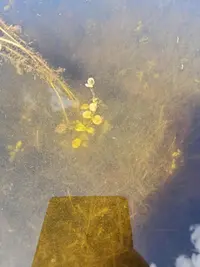
When growing Indian jointvetch outdoors or in containers, use wide, shallow basins or trays so roots can spread laterally and the plant can colonize the surface more evenly for better nitrogen-fixation in the bed.


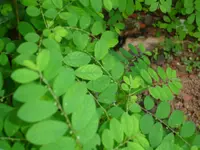
Indian jointvetch, Aeschynomene indica, is a fast-growing legume commonly found in wetlands, rice fields, ditches, and along pond edges in tropical and subtropical regions. It often behaves as an annual, forming upright, branching stems with fine, fern-like leaves that may fold slightly when disturbed.
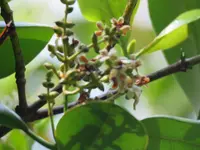
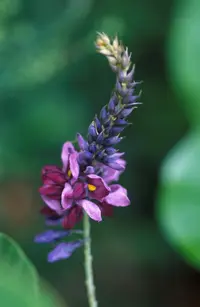
The plant produces small yellow flowers followed by segmented seed pods, which help it spread quickly in suitable habitats. It thrives in warm, sunny, waterlogged or very moist conditions and tolerates poor, muddy soils.
Because it grows aggressively and can become weedy, it is easier to manage in larger outdoor spaces than in small gardens. Understanding how to care for Indian jointvetch starts with recognizing its preference for consistently wet, open environments.

Care Difficulty
Moderate Care

Light Preference
Full Sun

Water Requirements
Aquatic

Temperature Preference
Tropical / Frost Sensitive

Hardiness Zone
9–12

Soil Texture
Sandy, Loamy, Silty

Soil pH
Acidic (5.5–6.5), Slightly acidic (6.5–7.0)

Soil Drainage
Waterlogged tolerant

Fertilization
Minimal (feed rarely)
Scan your plant to receive care tips personalized for your specific plant
Available on iOS and Android
This sun-loving legume needs strong light to flower and fix nitrogen efficiently.
This semi-aquatic species prefers consistently moist to wet conditions rather than intermittent drying.
This warm-season legume grows best in hot, frost-free conditions.
This species prefers moderately humid air but usually adapts to typical outdoor humidity in warm regions.
This fast-growing legume prefers moist, soft soils similar to its natural wetland habitats.
This species can be grown in containers if the pot is managed to stay consistently moist but not stagnant.
This nitrogen-fixing legume usually needs minimal fertilization, especially in fertile or wet soils where Indian jointvetch naturally thrives.
Targeted pruning helps maintain healthy, manageable Aeschynomene indica stands in managed landscapes or research plots.
Transplanting is more relevant than repotting, as this species is usually grown in fields, wetlands, or restoration sites rather than long term containers.
Propagation of this legume is most commonly done from seed, which allows dense establishment in wet or seasonally flooded sites.
In frost free or very mild climates this warm season species typically dies back naturally and needs little targeted winter care.

Plant Health Check
Not sure what's wrong with your plant? Check your plant's health inside the app.
The leaflets fold together and droop in response to touch, wind, or strong rain, a movement known as seismonasty that helps reduce mechanical damage and water loss.
This species forms nodules on its roots with symbiotic bacteria that convert atmospheric nitrogen into plant-available forms, allowing it to grow vigorously in nutrient-poor, seasonally flooded soils.
In shallow water and rice paddies, its submerged and emergent stems create a structural habitat that shelters small fish, aquatic insects, and other invertebrates.
In some Asian rice-growing regions, this species has been intentionally encouraged as a green manure and cover plant because its rapid growth and nitrogen-fixing ability can improve soil fertility when incorporated before or after rice cultivation, while also providing fodder for livestock.
Yellowing leaves usually come from waterlogged soil, nutrient-poor substrates, or natural aging of older foliage. Check drainage first, then consider a balanced fertilizer. Also ensure the plant is not shaded too heavily for long periods.
Keep your plants happy and healthy with plant identification, disease detection, and easy care guidance.