Regular stem thinning
Every 4–6 weeks, remove a few of the oldest, woodiest runners at the base to keep the mat open, improve light penetration, and reduce the risk of fungal issues in dense growth.

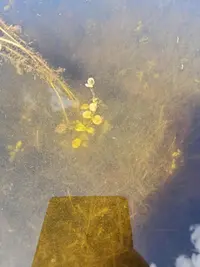
Creeping waterhyssop (Bacopa repens) is a low, mat-forming aquatic or semi-aquatic plant often used in aquariums, ponds, and water gardens. It has small, fleshy, oval leaves and trailing stems that root easily along the nodes, creating a dense carpet in shallow water or very wet soil.
In nature it occurs in warm, marshy habitats and along slow-moving streams in the Americas, where it thrives in consistently wet conditions. It is generally considered easy to grow if it receives stable moisture, gentle water movement, and at least moderate light.
Understanding how to care for creeping waterhyssop mainly involves providing constant access to water, nutrient-rich substrate, and protection from drying winds or strong currents.

Care Difficulty
Moderate Care

Light Preference
Partial Sun

Water Requirements
Aquatic

Temperature Preference
Tropical / Frost Sensitive

Hardiness Zone
9–11

Soil Texture
Loamy, Silty, Organic-rich

Soil pH
Acidic (5.5–6.5), Slightly acidic (6.5–7.0)

Soil Drainage
Waterlogged tolerant

Fertilization
Light (every 4–6 weeks)
Scan your plant to receive care tips personalized for your specific plant
Available on iOS and Android
Bacopa repens grows best with consistent, moderate light suited to shallow water or very moist soil sites.
Bacopa repens prefers constantly moist to saturated conditions and tolerates shallow standing water.
This species grows best in mild to warm conditions and is sensitive to frost and extreme heat.
This species prefers consistently high humidity, reflecting its natural marshy habitat.
This aquatic creeping plant thrives in saturated, oxygenated substrates rather than typical potting soil.
This species is well suited to container culture, especially in ponds, water gardens, or very wet pots.
Bacopa repens benefits from light, consistent feeding during active growth but does not need heavy fertilization.
Bacopa repens responds well to light, frequent trimming that maintains a dense, low mat of growth.
This species usually grows in shallow water or wet soil, so focus on gentle transplanting rather than frequent repotting.
Bacopa repens is commonly multiplied from vegetative pieces, which root quickly in warm, wet conditions.
In mild climates Bacopa repens can overwinter outdoors, but it is sensitive to hard freezes and ice cover.

Plant Health Check
Not sure what's wrong with your plant? Check your plant's health inside the app.
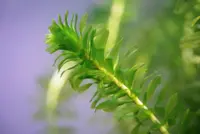
This species can grow fully submerged, partially submerged, or emersed, forming creeping mats along muddy or sandy shorelines in warm, slow-moving freshwater habitats.
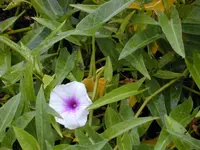
Its small, pale bluish to white tubular flowers are adapted to attract tiny insects at the water’s edge, with a narrow floral tube that guides pollinators toward the reproductive organs.
As stems spread horizontally, they readily form new roots at nodes that touch wet soil or submerged substrates, allowing the plant to stabilize sediments and quickly colonize shallow margins.

In freshwater aquaria, this species often transitions from submerged to emersed growth if allowed to reach the surface, changing leaf shape and thickness as it adjusts its anatomy to air exposure while maintaining continuous growth from the same stems.
This species spreads steadily by creeping stems and rooting at the nodes, forming dense mats in shallow water or very wet soil. It is not usually aggressive in managed gardens, but can naturalize quickly in warm, wet climates.
Keep your plants happy and healthy with plant identification, disease detection, and easy care guidance.