Control Spreading
Install a flexible plastic or metal edging 20–30 cm deep around planting areas to limit rhizome spread and keep rattlesnake mannagrass from invading nearby beds or turf.

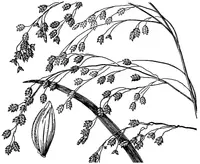
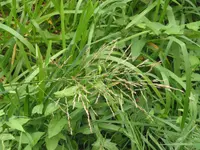
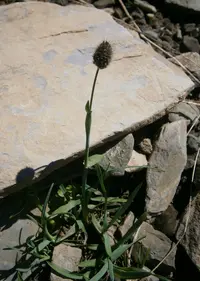
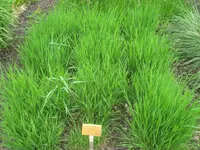
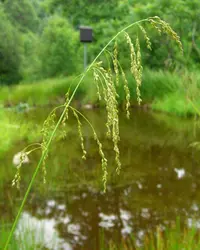
Rattlesnake mannagrass, Glyceria canadensis, is a perennial aquatic or semi-aquatic grass native to wetlands, marshes, and stream margins across much of North America. It typically forms loose clumps with upright, arching stems and narrow leaves, creating a soft, grassy texture.
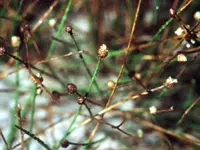
The flower heads are open and branching, with small dangling spikelets that give a delicate, rattling look in the wind. It spreads gradually where soil stays consistently moist or shallowly flooded.
This species suits naturalized pond edges, rain gardens, and restoration plantings rather than tight formal beds. Understanding how to care for rattlesnake mannagrass mainly involves providing steady moisture, cool to mild temperatures, and nutrient-rich, organic soil.

Care Difficulty
Moderate Care

Light Preference
Partial Sun

Water Requirements
Aquatic

Temperature Preference
Cold Hardy

Hardiness Zone
3–8

Soil Texture
Loamy, Silty, Organic-rich

Soil pH
Acidic (5.5–6.5), Slightly acidic (6.5–7.0)

Soil Drainage
Waterlogged tolerant

Fertilization
Minimal (feed rarely)
Scan your plant to receive care tips personalized for your specific plant
Available on iOS and Android
This wetland grass prefers bright, gentle light rather than intense, all-day sun.
This species is adapted to consistently wet, even saturated soils and should not be allowed to dry out.
This cold-hardy wetland grass thrives in cool to mild conditions and tolerates significant winter chill.
This wetland grass prefers high humidity and performs best when air stays consistently moist.
This species favors saturated, organic-rich soils that mimic natural marsh edges.
This species can be grown in containers if the setup supports permanently wet, heavy soil.
Glyceria canadensis is adapted to nutrient-poor wet soils and usually needs little fertilization in garden settings.
Pruning Glyceria canadensis is minimal and focuses on tidiness and plant health.
This wetland grass is most often transplanted in the landscape rather than grown long term in containers.
Glyceria canadensis is commonly propagated by division or seed in managed wetland or garden settings.
This species is cold hardy across much of its native range and usually needs little winter care in the ground.

Plant Health Check
Not sure what's wrong with your plant? Check your plant's health inside the app.
This species is adapted to saturated soils and shallow standing water, forming loose clumps along lake margins, bogs, and slow streams where many other grasses cannot survive long term.
Its loose, nodding flower clusters bear laterally flattened spikelets that resemble tiny rattles, which gives rise to the common name rattlesnake mannagrass.
The species is native to North America, occurring mainly in cool-temperate regions of Canada and the northern United States, where it contributes to natural wetland plant communities.

The seeds and tender vegetative parts of this species provide food and cover for a range of wetland wildlife, including waterfowl and aquatic invertebrates, making it an ecologically valuable component of northern marsh and shoreline habitats.
This species spreads by rhizomes and self-seeding in consistently wet soils. In suitable conditions it can form dense colonies. Use edging, contained planting areas, or periodic division if you need to limit spread in small gardens.
Keep your plants happy and healthy with plant identification, disease detection, and easy care guidance.