reed mannagrass Care (Glyceria maxima)

Also known as: reed sweet-grass, reed meadowgrass
reed mannagrass

About reed mannagrass

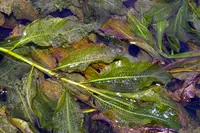
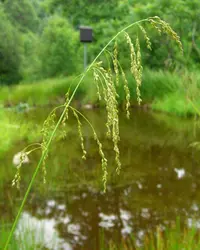
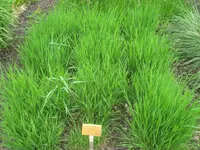
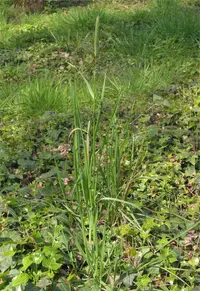
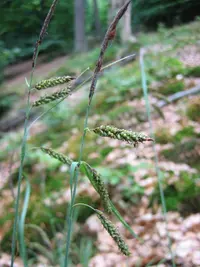
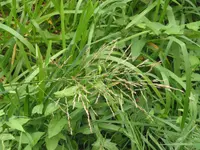
Reed mannagrass, Glyceria maxima, is a vigorous perennial grass typically found along rivers, ponds, and wetlands. It forms dense clumps with tall, arching stems and broad, bright green leaves.

The plant spreads strongly by rhizomes, so it can cover large areas and outcompete weaker species. This robust growth habit makes it easy to establish but requires control in small gardens.

Reed mannagrass prefers consistently wet or shallowly flooded conditions, neutral to slightly alkaline soils, and full sun to light shade. Understanding these natural preferences helps gardeners care for reed mannagrass in suitable sites.

Main Plant Requirements

Care Difficulty

Moderate Care

Light Preference

Full Sun

Water Requirements

Aquatic

Temperature Preference

Cold Hardy

Hardiness Zone

3–8

Soil Texture

Loamy, Silty, Organic-rich

Soil pH

Acidic (5.5–6.5), Slightly acidic (6.5–7.0)

Soil Drainage

Waterlogged tolerant

Fertilization

Minimal (feed rarely)

Get Personalized Care Plan

Scan your plant to receive care tips personalized for your specific plant

Available on iOS and Android

How to Care for the reed mannagrass

This wetland grass prefers long, bright days with gentle exposure rather than intense, dry sun.

  • Provide 4–6 hours of direct morning sun with light or open shade in the hot afternoon, especially in warm summer climates.
  • Allow partial shade (2–4 hours direct sun) in hotter regions; reed mannagrass tolerates more sun if roots stay cool and soil is saturated.
  • Avoid harsh, all-day summer sun that can scorch leaves and dry out shallow water; in winter, full sun is acceptable where temperatures are low.

This species naturally grows in or at the edge of standing water and needs consistently saturated conditions.

  • Maintain soil that is saturated to shallowly flooded; do not allow the top 2–3 cm to dry out in summer, especially on exposed banks.
  • In ponds or boggy areas, ensure slow-moving or still water; Glyceria maxima declines if kept in fast-drying, freely draining substrates.
  • Watch for underwatering signs such as drooping, browning leaf tips, and shrinking clumps; true overwatering is rare but yellowing in oxygen-poor, stagnant water can occur.

This hardy wetland grass tolerates cool climates but grows best in mild conditions with constant moisture.

  • Optimal growth occurs around 60–75°F (16–24°C), especially during spring and early summer when soil and water stay cool.
  • The plant survives winters down to about 5–10°F (-15 to -12°C) when crowns are submerged or insulated; top growth dies back and re-sprouts in spring.
  • Heat above 86°F (30°C) slows growth and can cause browning if water levels drop; ensure deep, cool water or shade the root zone during heatwaves.

This wetland grass prefers consistently very high humidity similar to marsh conditions.

  • Target 70–100% humidity, as the plant naturally grows in saturated, misty or foggy environments.
  • Dry air slows growth and leaf tips brown; severe stress shows as curling, pale blades and rapid leaf dieback.
  • To raise humidity outdoors, site plants near ponds or water features; in pots, cluster containers in shallow trays of water with the soil surface kept just above water level.

This species thrives in permanently wet, heavy, organic-rich soils that mimic marsh or pond-edge conditions.

  • Use a dense mix of 60–70% clay or heavy loam with 30–40% composted organic matter to retain water around the roots.
  • Allow no drainage in bog-style containers or keep pots standing in trays of water so the soil stays saturated.
  • Aim for slightly acidic to neutral pH around 6.0–7.0, which supports nutrient availability and vigorous rhizome growth in Glyceria maxima.
  • Avoid sandy, fast-draining, or drying substrates; if existing soil drains quickly, line the planting hole with heavy clay soil to reduce percolation and hold moisture.

This grass can be grown in containers when used as a water garden or bog plant.

  • Choose a wide, heavy container to anchor the spreading rhizomes and prevent the tall foliage from tipping the pot in wind.
  • Select non-porous materials like glazed ceramic or plastic to slow moisture loss and help maintain saturated conditions.
  • Use containers without drainage holes only when they are monitored as mini-bogs; keep water level just below the soil surface to avoid complete submergence of foliage.

Glyceria maxima grows vigorously in nutrient-rich, wet soils and usually needs only light supplemental feeding in managed plantings.

  • Use a balanced, dilute liquid fertilizer (for example 10-10-10 at 1/4–1/2 strength) for reed mannagrass in nutrient-poor sites.
  • Apply every 4–6 weeks during the active growing season, only when plants show pale foliage or weak growth.
  • Avoid fertilizing from late fall through winter, especially in cold climates, to prevent soft, frost-prone growth.
  • Compost or a low-dose slow-release aquatic-safe fertilizer can be used sparingly around the root zone in spring.

Pruning Glyceria maxima is mainly used to keep clumps tidy and to manage spread in wetland or pond-edge settings.

  • Cut back dead, damaged, or flattened foliage in late winter or very early spring using clean, sharp shears.
  • Remove old, congested stems at the base to open the clump and encourage fresh, upright growth.
  • Trim back flowered stems after they brown if self-seeding and spread are not desired.
  • Wear gloves and work methodically around the clump to avoid tearing stems or disturbing shallow roots.

This vigorous wetland grass is more often transplanted along pond edges or in bog gardens than grown as a long-term container specimen.

  • Transplant when clumps become overcrowded, growth slows, or roots are densely circling a basket or pot.
  • Choose early spring, just as new shoots emerge, so plants establish before summer heat.
  • Typical intervals are every 2–3 years in containers, or when shoreline plantings spread beyond their allotted area.
  • Lift the clump, rinse or gently tease roots apart, trim damaged sections, then replant at the same depth into saturated, organic-rich soil.

Glyceria maxima is commonly propagated by division, with seed used mainly for larger restoration or pond projects.

  • Divide mature clumps in early spring when new shoots are 5–10 cm tall and soil is moist but workable.
  • Lift the plant, cut it into sections with several shoots and healthy roots, then replant divisions immediately into wet soil.
  • Keep newly divided plants constantly moist, in full sun to light shade, until strong new growth appears.
  • Sow fresh seed in shallow trays of saturated, fine-textured medium, maintaining cool to mild temperatures and consistent water.

This species is generally cold hardy in temperate climates and often needs minimal winter care once established in the ground.

  • In cold regions, allow tops to die back naturally and cut them down in late winter before new shoots appear.
  • Apply a light mulch around the root zone in exposed sites to moderate soil temperature and reduce heaving.
  • Move container-grown plants into a frost-free but cool, very bright location, keeping the root ball consistently damp but not stagnant.

Care Tips

Contain Spreading Rhizomes

Install a deep root barrier 30–40 cm into the soil around the planting area to stop rhizomes spreading aggressively into nearby beds or natural waterways.

Use Aquatic Baskets

For ponds or water features, plant in sturdy aquatic baskets lined with fine mesh so roots can grow freely while the plant remains easy to lift, divide, or remove if it becomes too vigorous.

Seasonal Thinning Cuts

In late winter or very early spring, cut out the oldest, densest clumps at the base to open space, improve water flow around the crowns, and encourage fresher, more upright growth.

Summer Biomass Harvest

In nutrient-rich ponds, periodically cut and remove some foliage during mid to late summer to export excess nutrients, reduce algae problems, and keep stands from becoming too dense.

Monitor Invasive Escape

Regularly inspect downstream or adjacent wet areas and promptly remove any new shoots or seedlings to prevent unintended spread, which is a key part of responsible Glyceria maxima plant care.

Common Pests and Diseases

Leaf spot fungi

This disease causes elongated brown to purplish spots along the leaf blades, often merging into larger necrotic areas in dense, wet stands. Symptoms include premature browning and dieback of older foliage, especially where air movement is poor.

Solution

Remove and dispose of heavily spotted or dead leaves and thin very dense clumps to improve light penetration and airflow. Avoid unnecessary overhead irrigation, irrigate in the morning if needed, and in severe cases use a labeled foliar fungicide suitable for ornamental grasses according to local regulations and product directions.

Rust

This disease produces orange to brown powdery pustules on both sides of the leaves, which can coalesce and cause widespread yellowing. In humid, crowded plantings the foliage may dry out and collapse prematurely.

Solution

Cut back and remove infected foliage at the first signs of rust to reduce spore levels, and avoid overhead watering in late day. Increase spacing between plants, and where rust is recurrent consider a preventative grass-safe fungicide applied according to label instructions.

Aphids

These insects cluster on young shoots and leaf bases, sucking sap and causing distortion, pale streaking, and sticky honeydew that can promote sooty mold. Heavy colonies may stunt new growth in nutrient-poor or stressed stands.

Solution

Spray colonies off with a firm stream of water and remove heavily infested shoots if practical. Encourage natural predators such as lady beetles, and if populations remain high use an insecticidal soap or light horticultural oil, ensuring thorough coverage of leaf bases and undersides.

Grass leafhoppers

These insects feed by puncturing leaf tissue, leading to pale stippling, irregular yellow patches, and sometimes a general faded appearance of the stand. In some regions they may also vector leafhopper-borne phytoplasma diseases that further weaken the grass.

Solution

Mow or cut back infested patches to reduce populations and remove eggs on older leaves, then dispose of the clippings off-site. Maintain moderate fertility so plants recover quickly, and in persistent, high-pressure situations use a targeted, grass-labeled insecticide applied when nymphs are small and most active.

Smuts

This disease replaces normal flower and seed tissues with dark, powdery black spore masses inside the inflorescences. Affected panicles appear swollen, distorted, and later break open to release spores that contaminate surrounding water and soil.

Solution

Cut off and destroy smutted flower heads before they shed spores, and avoid moving contaminated material to clean sites. For long-term Glyceria maxima plant care in managed ponds or wetlands, source clean planting stock and periodically remove and replace heavily infected clumps to keep inoculum levels low.

Interesting Facts

Wetland oxygen transporter

This tall rhizomatous grass forms aerenchyma, a spongy tissue that channels oxygen from the air down into submerged roots, allowing it to thrive in waterlogged, low‑oxygen mud along rivers and lakes.

Notorious invasive emergent

Outside its native range in Europe and western Asia, this species readily escapes cultivation, forming dense monospecific stands that outcompete native wetland plants and alter water flow in canals and slow rivers.

High nitrogen accumulator

Its fast growth and fibrous root system allow it to take up and store significant amounts of dissolved nitrogen from nutrient‑rich waters, which can slightly reduce nutrient loads but also promotes its own dominance in eutrophic habitats.

Botan icon

Did you know?

In some regions, this species has been reported to hybridize with closely related Glyceria species, creating intermediate forms that complicate field identification and management of invasive populations.

FAQs about reed mannagrass

This species spreads vigorously by rhizomes and self-seeding in wet soil. In suitable conditions it can quickly form dense stands that displace other plants, so barriers, regular division, or physical removal are often needed to contain it.

Grow Healthy Plants with Botan Care

Keep your plants happy and healthy with plant identification, disease detection, and easy care guidance.

Botan plant care app — identify plants on mobile

Explore More Plants