Managed grazing
Use light, rotational grazing or periodic mowing to 7–10 cm to keep clumps dense, prevent lodging, and reduce weed competition when growing meadow foxtail in pasture situations.

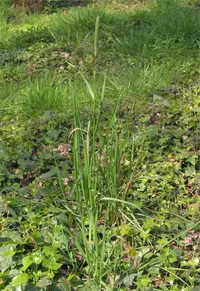
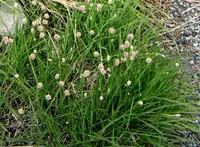
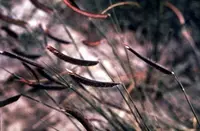
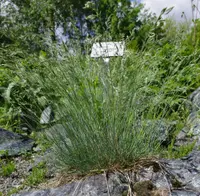
Meadow foxtail (Alopecurus pratensis) is a cool-season perennial grass commonly found in pastures, meadows, and damp fields across Europe and many temperate regions of North America. It forms dense clumps with soft, upright stems and cylindrical, foxtail-like flower heads in spring.
This grass spreads by short rhizomes, creating a fairly even, durable turf that is valued as an early-season forage grass. It prefers moist, fertile soils and areas that do not dry out for long periods.
Because it is hardy, tolerant of cold, and competitive against many weeds, it is usually straightforward to establish in suitable climates, especially if you care for meadow foxtail in conditions that match its natural habitat.

Care Difficulty
Easy Care

Light Preference
Full Sun

Water Requirements
Regular Water

Temperature Preference
Cold Hardy

Hardiness Zone
3–9

Soil Texture
Loamy, Clay, Organic-rich

Soil pH
Acidic (5.5–6.5), Slightly acidic (6.5–7.0)

Soil Drainage
Moist but well-drained

Fertilization
Minimal (feed rarely)
Scan your plant to receive care tips personalized for your specific plant
Available on iOS and Android
This cool-season grass prefers consistent, moderate light for healthy growth in pastures and meadows.
This species favors evenly moist soil and does poorly in very dry or waterlogged conditions.
This cool-season grass grows best in mild conditions and tolerates substantial cold once established.
Humidity is not a critical factor for Alopecurus pratensis in typical outdoor conditions.
Alopecurus pratensis prefers moisture-retentive but not waterlogged soil.
This species can be grown in containers, mainly for temporary or controlled meadow-like plantings.
This cool-season grass benefits from modest feeding but often grows acceptably on average soils without extra inputs.
Pruning Alopecurus pratensis is minimal and mainly keeps the clump tidy and productive.
This grass is more often grown in soil than in containers, so transplanting matters more than repotting.
Multiplying Alopecurus pratensis is straightforward through division and seed when conditions are suitable.
This cool-season, cold-hardy grass usually needs little winter attention in temperate climates.

Plant Health Check
Not sure what's wrong with your plant? Check your plant's health inside the app.
This species is a perennial cool-season grass that begins growth very early in spring and often flowers before many other pasture grasses, giving it a competitive head start in moist meadows.
It is strongly associated with moist to wet, nutrient-rich soils and is characteristic of European alluvial meadows, often indicating fertile, periodically flooded ground.
The plant provides palatable forage for livestock in early growth stages, but as stems mature they become coarse and less digestible, so it is most valued in early-season grazing or first hay cuts.

Alopecurus pratensis was one of the earliest European grasses to be deliberately improved and distributed as a named forage species in the 18th and 19th centuries, making it historically important in the development of managed temperate pastures.
This grass spreads by short rhizomes and self-seeding, forming dense clumps over time. In moist, fertile soil it can outcompete weaker species, so use edging, timely mowing, or controlled grazing if containment is important.
Keep your plants happy and healthy with plant identification, disease detection, and easy care guidance.