Encourage Dense Turf
Mow high at 5–7 cm and avoid removing more than one-third of the leaf height at a time to encourage tillering and a denser, more competitive stand that suppresses weeds when growing brown bent.

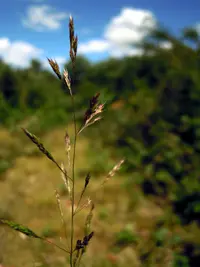
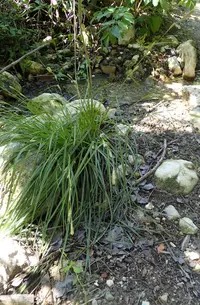
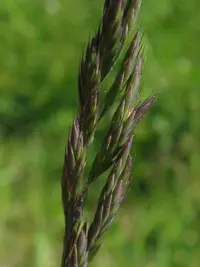
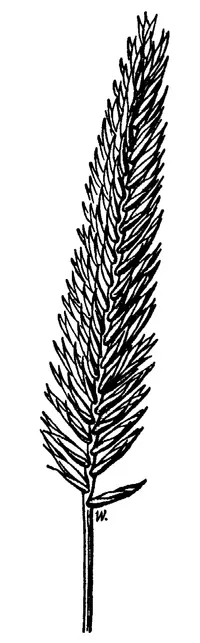
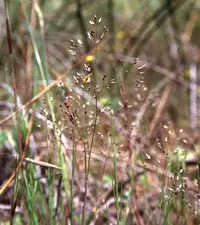
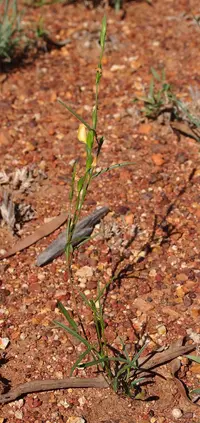
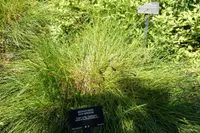
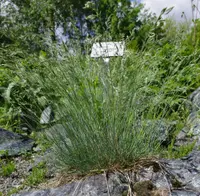
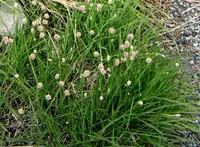
Brown bent (Agrostis vinealis) is a fine-textured perennial grass often found in upland pastures, rough grazing areas, and heathlands. It forms loose, tufted clumps with slender stems and narrow leaves. The plant produces delicate, airy flower panicles that give a soft, subtle appearance rather than a dense lawn look. Brown bent is native to Europe but occurs in many temperate regions, especially on poor, acidic, and sandy soils. It tolerates low fertility and exposed sites, which can make it useful in naturalistic or low-input plantings. Basic knowledge of how to care for brown bent helps keep it stable in designed landscapes.

Care Difficulty
Moderate Care

Light Preference
Full Sun

Water Requirements
Moderate Water

Temperature Preference
Cold Hardy

Hardiness Zone
3–8

Soil Texture
Sandy, Loamy, Silty

Soil pH
Acidic (5.5–6.5), Slightly acidic (6.5–7.0)

Soil Drainage
Moist but well-drained

Fertilization
Minimal (feed rarely)
Scan your plant to receive care tips personalized for your specific plant
Available on iOS and Android
This cool-season grass prefers open, bright sites but adapts to a range of field and rough turf conditions.
This fine-textured grass prefers consistently moist but not saturated soil, especially during active growth.
This cool-season species thrives in mild climates and tolerates significant cold once established.
This cool-season grass handles a wide humidity range but prefers moderately moist air.
This species prefers cool, moist, well-structured soil that stays aerated yet never waterlogged.
This grass can be grown in containers, mainly for small turf displays or trials rather than long-term lawns.
Agrostis vinealis usually needs only light feeding, especially when grown as a low-input turf or meadow grass.
Pruning Agrostis vinealis is minimal and aims to keep the turf or meadow sward healthy and dense.
This grass is usually grown in the ground, so focus on careful transplanting rather than repeated repotting.
Agrostis vinealis is commonly propagated by seed and by division of established clumps or turf pieces.
This cool-season grass is generally cold hardy and needs little winter care once established in the landscape.

Plant Health Check
Not sure what's wrong with your plant? Check your plant's health inside the app.
Brown bent often colonizes recently disturbed, nutrient-poor soils in heaths and upland pastures, helping stabilize the ground before other species establish.
This species is particularly associated with acidic, sandy, or peaty soils and is a characteristic component of heathlands and moorlands in northern and western Europe.
It forms a loose, tufted growth of fine, wiry leaves and delicate panicle flower heads, which allows it to withstand exposure and wind in open upland habitats.
This grass spreads gradually by short rhizomes and seed but is not usually aggressive in managed gardens. It can slowly form patches in open, low-competition sites, especially on poor, acidic soils with minimal disturbance.
Keep your plants happy and healthy with plant identification, disease detection, and easy care guidance.