red fescue Care (Festuca rubra)

red fescue

About red fescue

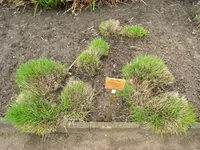
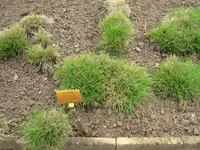
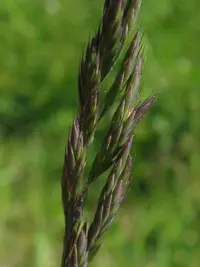
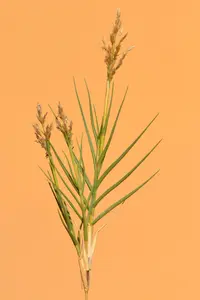
Red fescue (Festuca rubra) is a cool-season perennial grass commonly used in lawns, meadows, and erosion-control plantings. It forms fine, narrow leaves and a soft, dense turf or clumps, depending on the subspecies.

This species is native to cooler regions of Europe, Asia, and North America and adapts well to coastal areas, open woodlands, and grasslands. It tolerates shade and relatively poor soils better than many lawn grasses, which makes it versatile in mixed plantings.

Its slow to moderate growth, good cold tolerance, and fairly low nutrient needs make it easier to maintain than many high-input turf grasses. Understanding how to care for red fescue mainly involves matching it with cool conditions, consistent but not excessive moisture, and well-drained soil.

Main Plant Requirements

Care Difficulty

Easy Care

Light Preference

Full Sun

Water Requirements

Moderate Water

Temperature Preference

Cold Hardy

Hardiness Zone

3–7

Soil Texture

Sandy, Loamy, Clay

Soil pH

Acidic (5.5–6.5), Slightly acidic (6.5–7.0)

Soil Drainage

Moist but well-drained

Fertilization

Minimal (feed rarely)

Get Personalized Care Plan

Scan your plant to receive care tips personalized for your specific plant

Available on iOS and Android

How to Care for the red fescue

This cool-season grass prefers bright conditions with protection from harsh heat.

  • Provide 4–6 hours of direct morning sun with light or dappled shade in the afternoon, especially in warmer climates.
  • It tolerates partial shade, but dense shade reduces density and color, while intense all-day sun can scorch foliage and stress red fescue in hot summers.
  • In summer, allow more afternoon shade; in cooler seasons, slightly increased sun exposure supports stronger growth and color retention.

This grass needs moderate moisture with brief drying between waterings.

  • Aim for soil that dries just in the top 2–4 cm before watering again, rather than staying constantly wet or completely parched.
  • In spring and fall, when Festuca rubra grows most actively, monitor rainfall and supplement only if blades start folding or losing springiness.
  • Avoid soggy sites and standing water, which cause yellowing, rot, and thinning; hydrophobic, cracked soil and crisp tips indicate underwatering and need for deeper soaking.

This cool-season species prefers mild conditions and tolerates significant cold.

  • Best growth occurs around 60–70°F (16–21°C), with active tillering and good color in these ranges during spring and fall.
  • It survives winter cold down to about -20°F (-29°C) under typical lawn conditions, especially with snow cover providing insulation.
  • Heat above 80–85°F (27–29°C), especially combined with drought, can cause summer dormancy, browning, and stress, so reduce traffic and avoid heavy fertilizing during hot periods.

This grass tolerates a wide humidity range and usually does not need special humidity management outdoors.

  • Performs reliably at 30–60% humidity typical of most temperate outdoor climates.
  • Handles dry air and wind well if soil moisture is maintained and roots are not exposed.
  • True humidity stress appears as scorched leaf tips and thinning clumps, more often from heat and drought than air dryness.

Festuca rubra prefers moderately fertile, well-drained, often sandy or loamy soil.

  • Use a loose mix of 50–70% sandy or loamy mineral soil with 30–50% compost to balance drainage and moisture retention.
  • Aim for slightly acidic to neutral pH around 6.0–7.0; avoid strongly alkaline or saline sites that reduce vigor.
  • Improve drainage and aeration on heavy clay by incorporating coarse sand or fine gravel plus compost through the top 10–15 cm.
  • Avoid compacted, waterlogged, or peat-only mixes, which restrict roots and encourage rot, especially in dense plantings.

This species is suitable for container growing on patios, balconies, and roof gardens.

  • Choose a broad, shallow to medium-depth container to accommodate fibrous spreading roots and prevent the clump from becoming root-bound at the surface.
  • Use a heavier material like ceramic or concrete in windy sites to stabilize the fine foliage and prevent tipping.
  • Elevate the pot slightly on feet so drainage holes stay clear and runoff moves away quickly, limiting crown rot in wet weather.

This cool-season grass has modest nutrient needs, so fertilization for red fescue should stay light and targeted to active growth.

  • Use a balanced NPK lawn fertilizer or slow-release granular product formulated for cool-season turf.
  • Apply at low rates 1–2 times during spring and early fall, when growth is strongest.
  • Aim for about half the label-recommended strength to prevent lush, weak growth and thatch buildup.
  • Avoid feeding in mid-summer heat or deep winter dormancy, when the plant is stressed or semi-dormant.

Pruning for Festuca rubra focuses on removing old foliage to maintain a dense, healthy turf or clump.

  • Cut back or rake out dead and damaged blades in late winter or very early spring before new growth extends.
  • Shear overly long or patchy areas with sharp grass shears or a mower set high to even the surface.
  • Remove crowded, matted patches to improve air flow and reduce fungal problems.
  • Avoid cutting lower than 5–7 cm to protect the growing points at the base of the plants.

This grass is usually grown in the ground, so care focuses on transplanting and dividing rather than frequent repotting.

  • Transplant or divide clumps of Festuca rubra in early spring or early fall, when temperatures are cool and moisture is reliable.
  • Look for thinning centers, slow recovery after mowing, or dense, circling roots in containers as signs that division or transplanting is due every 3–4 years.
  • Lift clumps carefully with a spade, keeping soil around the roots, and replant at the same depth in well-drained soil.
  • Water thoroughly after transplanting and keep the soil evenly moist for 1–2 weeks to reduce root stress and support re-establishment.

Festuca rubra is most commonly propagated by division or seed, both suited to cool-season conditions.

  • Divide mature clumps in early spring or early fall, lifting and splitting them into smaller sections with healthy roots and shoots.
  • Replant divisions immediately into moist, well-drained soil and irrigate regularly until established.
  • For seed propagation, sow in early fall or early spring into a fine, firm seedbed with good contact between seed and soil.
  • Keep the top 1–2 cm of soil consistently moist and ensure good light for uniform germination and early growth.

This cool-season grass is generally cold hardy and needs minimal winter care in most temperate climates.

  • Festuca rubra tolerates frost and snow, though foliage may discolor during the coldest months.
  • Apply a light mulch of shredded leaves or compost in very exposed sites to stabilize soil temperature and reduce heaving.
  • Avoid heavy foot traffic on frozen or waterlogged turf to prevent crown damage and soil compaction.

Care Tips

Mowing height management

Maintain a mowing height of 5–7.5 cm and avoid removing more than one-third of the leaf blade at a time to keep the fine texture and reduce stress on the plants.

Summer dormancy support

If the turf thins or browns in hot, dry summer weather, reduce traffic, avoid fertilizing, and allow partial dormancy rather than forcing constant green growth.

Overseeding for density

Lightly overseed thin areas in early fall after core aeration, then keep the seedbed consistently moist until germination to maintain a dense, weed-resistant stand.

Shade traffic control

Limit foot traffic and pet activity in shaded areas, and use stepping stones or defined paths to prevent compaction and wear on the most delicate patches.

Snow and ice management

In snowy climates, use sand instead of salt on walkways near the lawn and avoid piling heavy snow directly onto the grass to prevent winter burn and crown damage when caring for red fescue.

Common Pests and Diseases

Red thread

This disease causes reddish or pink threadlike fungal growth on leaf blades, often forming irregular tan patches in the lawn. Symptoms include thinning turf and leaves that look water-soaked or bleached at the tips before turning tan.

Solution

Improve nitrogen fertility slightly, mow at the recommended height, and avoid heavy evening watering so leaf blades dry quickly. In persistent or severe cases, use a lawn fungicide labeled for red thread and rotate products with different active ingredients if the problem repeats in the same area.

Dollar spot

This disease produces small, round, sunken tan patches that may merge into larger irregular areas, with individual leaves showing bleached lesions bordered by reddish-brown margins. Symptoms include slow turf recovery and a rough, patchy lawn surface.

Solution

Reduce drought stress with deep, infrequent watering, avoid cutting the grass too short, and maintain balanced nitrogen levels. In high-pressure situations, apply a labeled fungicide for dollar spot and improve airflow by reducing thatch and avoiding dense shade where possible.

Leaf spot and melting-out

This disease starts as small purple to brown leaf spots that can expand and cause leaf blighting, eventually thinning and killing turf in irregular patches. Symptoms include weakened plants that decline quickly during warm, humid weather or after stress such as close mowing.

Solution

Raise mowing height slightly, avoid excessive nitrogen in spring, and water early in the day so foliage dries fast. In lawns with a history of this problem, consider overseeding with more tolerant cultivars and use a targeted fungicide at the first sign of spotting if cultural changes are not enough.

Snow mold

This disease develops under prolonged snow cover or in cool, wet conditions, creating matted, bleached patches that can appear grayish or pink at the edges when snow melts. Symptoms include slow green-up in spring and weak, easily pulled turf in affected spots.

Solution

Mow at the correct height before winter, avoid heavy late-fall nitrogen, and rake up thick leaf layers so the lawn is not heavily matted going into snow cover. In areas with repeated snow mold, apply a preventive fungicide in late fall and lightly rake and overseed damaged patches in spring to speed recovery, which supports Festuca rubra care instructions for cool-season lawns.

Chinch bugs

These insects suck sap from grass blades, causing irregular dry-looking patches that resemble drought stress, often starting in sunny areas. Symptoms include yellowing that quickly turns brown, with living insects visible at the soil surface when the turf is parted.

Solution

Increase watering during hot, dry periods, thatch lightly if there is a thick layer, and encourage beneficial insects by reducing broad-spectrum insecticide use. For high populations, treat with a targeted lawn insecticide labeled for chinch bugs, applied to the thatch and upper soil where the insects live, and repeat monitoring through the season.

Interesting Facts

Fine underground network

Red fescue forms a dense, fibrous root system with short rhizomes that help bind soil, making it valuable for erosion control on slopes, dunes, and coastal banks.

Shade-tolerant cool-season grass

Unlike many turf grasses, this species maintains relatively good vigor and color in partial shade and cooler climates, which is why it is often included in shade-tolerant lawn and meadow seed mixes.

Support for coastal ecosystems

Natural stands of red fescue occur on dunes and sea cliffs in northern temperate regions, where the grass provides shelter and nesting material for invertebrates and ground-nesting birds while stabilizing sandy soils.

Botan icon

Did you know?

Red fescue can persist for many years in low-input grasslands and semi-natural meadows, where it often becomes a characteristic species of long-established, species-rich swards that develop when mowing or grazing is light and fertilizer use is minimal.

FAQs about red fescue

This grass spreads moderately by short rhizomes, forming a fine, dense turf over time rather than fast, invasive patches. It usually coexists well with other cool-season lawn species when mowing, fertilization, and traffic levels stay reasonable.

Grow Healthy Plants with Botan Care

Keep your plants happy and healthy with plant identification, disease detection, and easy care guidance.

Botan plant care app — identify plants on mobile

Explore More Plants