Staggered Succession Sowing
Sow small batches every 10–14 days in early spring instead of a single large sowing to extend the window for growth assessment, disease scouting, and seed harvest timing.

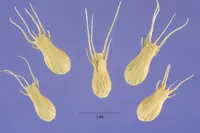
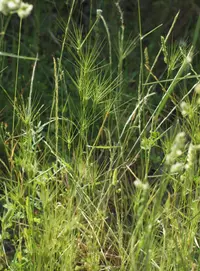
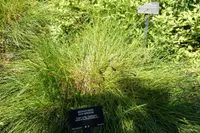
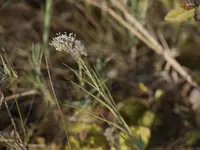
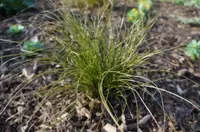
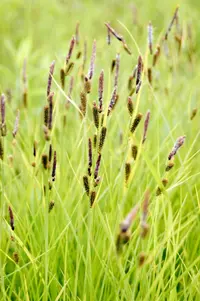
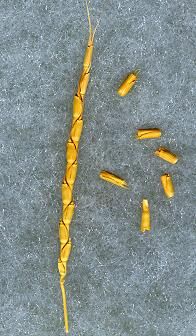
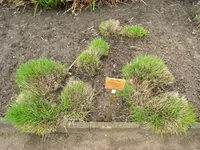
Goatgrass, Aegilops ventricosa, is a wild grass species related to cultivated wheat. It forms upright clumps with narrow leaves and bristly flower spikes that resemble small cereal heads.
This species is native to Mediterranean and western Asian regions but has naturalized in some other temperate areas. It often grows in open, disturbed sites such as field margins, roadsides, and dry grasslands.
Aegilops ventricosa is generally hardy, tolerating poor soils and dry periods once established, which makes basic care for goatgrass relatively straightforward in suitable climates. It prefers full sun, well-drained soil, and moderate moisture during active growth.

Care Difficulty
Moderate Care

Light Preference
Full Sun

Water Requirements
Moderate Water

Temperature Preference
Cool Climate

Hardiness Zone
5–9

Soil Texture
Sandy, Loamy, Silty

Soil pH
Slightly acidic (6.5–7.0), Neutral (7.0)

Soil Drainage
Well-drained

Fertilization
Minimal (feed rarely)
Scan your plant to receive care tips personalized for your specific plant
Available on iOS and Android
Aegilops ventricosa grows best in open, bright conditions that mimic sunny grasslands.
This species prefers evenly moist, well-drained soil and shows clear stress when conditions stay too wet or too dry.
This cool-season grass thrives in mild conditions and tolerates notable cold once established.
Aegilops ventricosa tolerates a wide humidity range, so air moisture is rarely a limiting factor.
Aegilops ventricosa prefers light, well-structured mineral soil that drains quickly and does not stay waterlogged.
This species can be grown in containers when fast-draining, open conditions are provided.
This wild grass, often called goatgrass, usually needs little fertilizer in average to moderately fertile soil.
Pruning needs for Aegilops ventricosa are minimal and mainly focused on hygiene and seed management.
This species is usually grown in the ground, so care focuses on transplanting rather than frequent repotting.
Propagation of Aegilops ventricosa is most practical from seed under simple, cool-season conditions.
Aegilops ventricosa is generally cold hardy in temperate climates and needs little targeted winter care.

Plant Health Check
Not sure what's wrong with your plant? Check your plant's health inside the app.
This wild goatgrass is a major donor of disease-resistance genes to bread wheat, especially against cereal cyst nematodes and some rust fungi, and has been widely used in modern wheat breeding programs.
The species is native to the western Mediterranean region, where it typically grows in dry, open, and often disturbed habitats such as field margins, roadsides, and rocky slopes, tolerating poor and shallow soils.
Aegilops ventricosa is a tetraploid species, meaning it carries four sets of chromosomes, a genomic feature that has helped breeders transfer its useful traits into cultivated wheat lines.
Chromosomes from Aegilops ventricosa have been incorporated into commercial bread wheat varieties through so-called wheat–alien translocations, creating stable lines that combine high yield with improved resistance to several soil-borne diseases in real-world farming conditions.
Leaf tips or whole blades often brown from drought stress, compacted or waterlogged soil, or high heat with wind. Improve soil drainage, maintain consistent but moderate moisture, and avoid heavy foot traffic or repeated close mowing around this grass.
Keep your plants happy and healthy with plant identification, disease detection, and easy care guidance.